









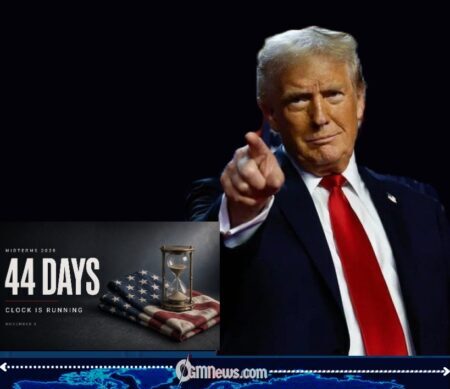
As the 2026 U.S. midterm elections approach, Republican candidates appear to be facing an unusual campaign dilemma: how to benefit from President Donald Trump’s ability to energize the party’s loyal supporters without frightening away independent voters. With just 44 days until the November elections, some GOP hopefuls are reportedly reducing Trump’s visibility on their campaign websites, leaving party strategists to wrestle with a question that sounds almost like a political comedy script: Is the president the party’s greatest turnout machine or its most complicated campaign accessory?
The issue has become particularly visible in North Carolina, where Trump recently rallied behind Republican Senate candidate Michael Whatley. The race has attracted national attention as Republicans consider how closely candidates should associate themselves with the president in competitive constituencies.
Republicans Edit Their Websites as Trump’s Political Spotlight Becomes a Delicate Accessory
According to the supplied material, Republican candidates Ralph Alvarado, Andy Barr, Mike Beltran, James Gallagher, Eric Flores and Young Kim removed or significantly reduced references to Trump from their campaign websites after winning their primaries. The apparent digital retreat has created an amusing political spectacle: candidates who once had no trouble standing beside the president are now seemingly examining their websites as carefully as a homeowner checks a leaking roof before inviting guests.
The underlying concern is electoral arithmetic. Candidates in competitive districts must appeal to Republicans, independents and potentially persuadable Democrats. Representative Thomas Massie described the dilemma bluntly, suggesting that Republicans in increasingly difficult districts may ask Trump not to campaign in their areas because of concerns about his appeal among independent voters, young people and Democrats. In political language, the president may bring a crowd while simultaneously bringing questions that candidates would prefer to answer after election night.
North Carolina Turns Into a Test of Trump’s Campaign Magnetism
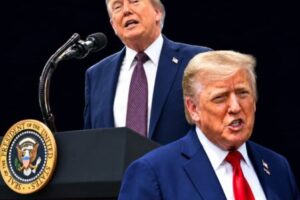
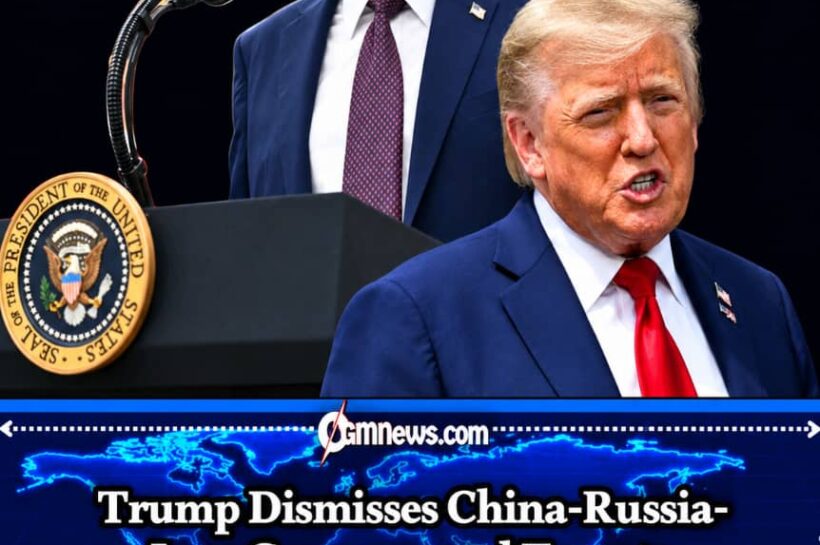
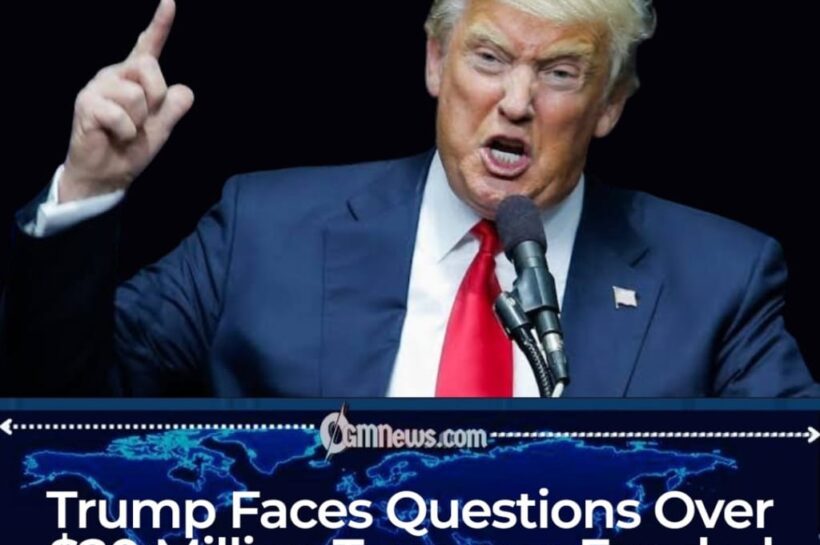
Trump’s September 16 rally in Gastonia, North Carolina, was intended to support Michael Whatley, the Republican candidate challenging former Democratic Governor Roy Cooper for the state’s open U.S. Senate seat. Reuters reported that Trump used the event to criticize Democrats on crime and other issues, while Whatley seeks to compete in a race where swing voters could prove significant.
Polling helps explain the Republican nervousness. An Elon University survey conducted August 21–31 among likely North Carolina voters placed Cooper at 49 percent and Whatley at 38 percent, an 11-point difference. The poll surveyed 800 North Carolina adults and reported a 5.6-point margin of error for likely voters. The numbers do not determine the final result, but they help explain why Republicans are debating whether presidential star power is an electoral asset, a complication, or both at once.
The Trump Calculation: Fill the Rally or Protect the Constituency?
Not every Republican sees Trump’s presence as a liability. Representative Tim Burchett argued that the president remains highly popular among the Republican base and that mobilizing those voters is essential to the party’s electoral prospects. That argument reflects a longstanding campaign reality: enthusiasm among loyal supporters can be valuable, particularly in elections where turnout matters.
Representative Rich McCormick, meanwhile, emphasized a more localized strategy, arguing that candidates must understand their individual districts and the issues that appeal to their specific electorates. This approach suggests that Republicans may not be rejecting Trump outright; instead, some are attempting to determine when his appearance helps their campaign and when it could complicate their outreach.
The political comedy writes itself. In one district, Trump’s arrival may inspire supporters to fill an arena. In another, campaign managers may quietly inspect the guest list, consult the polling numbers and ask whether the presidential motorcade could perhaps take a scenic detour. Meanwhile, the president continues to command attention within Republican politics, even as candidates calculate the advantages and risks of being closely associated with him.
https://addlinks.pro/xbTPt