
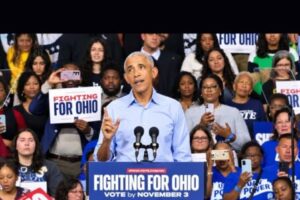
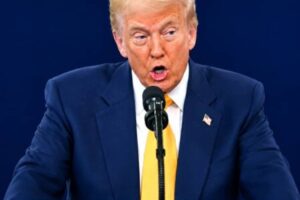
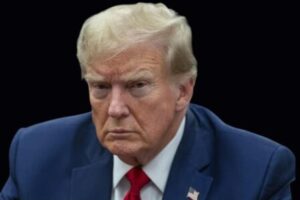





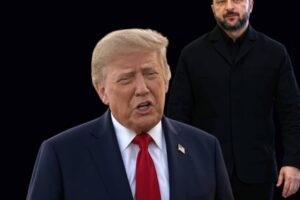
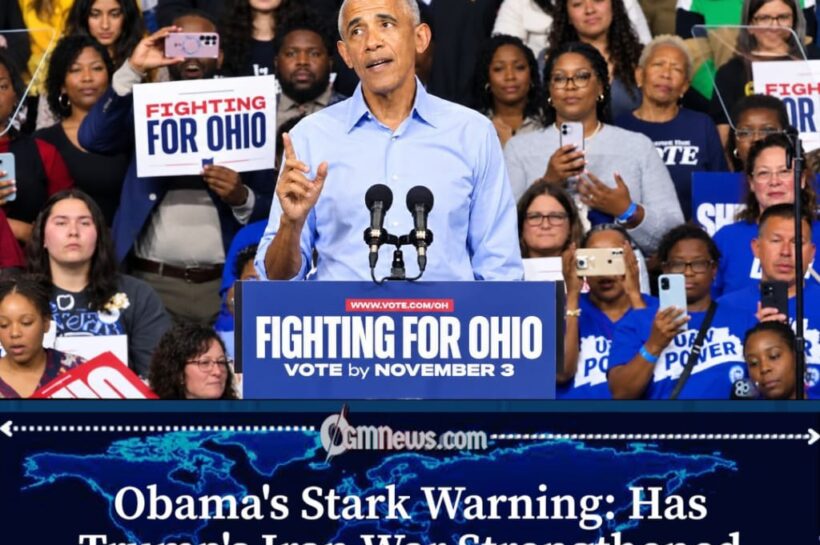







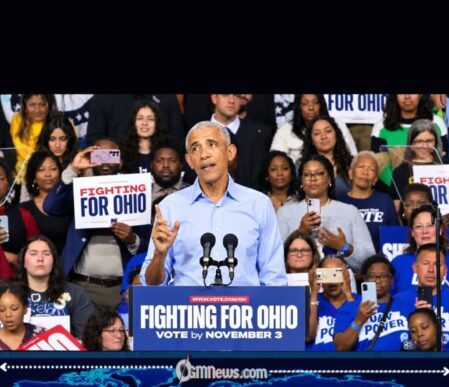
Former US President Barack Obama has delivered a sharp assessment of President Donald J. Trump’s war with Iran, arguing that the conflict has strengthened Tehran’s leverage over the strategically vital Strait of Hormuz and contributed to rising energy costs. Speaking at campaign rallies on October 24, 2026, Obama questioned the administration’s claims of success, pointing to the consequences for American security, international shipping and household finances. His central argument is simple: when a conflict threatens a major oil route, the economic consequences rarely remain confined to the battlefield.
THE STRAIT OF HORMUZ: A NARROW PASSAGE WITH GLOBAL CONSEQUENCES
Obama’s warning that Iran now has “veto power” over the Strait of Hormuz paints a troubling picture of the strategic consequences of the war. The passage connects the Persian Gulf to the Gulf of Oman and the Arabian Sea, making it one of the world’s most important energy transportation routes. According to the International Energy Agency, approximately 20 million barrels of oil and oil products passed through the strait daily in 2025, representing around a quarter of global seaborne oil trade. Any serious disruption can therefore send shockwaves through international markets.
The political irony is difficult to ignore. An operation intended to strengthen American security is now being criticised by Obama for leaving Iran with greater economic leverage. His remarks raise an uncomfortable question for the Trump administration: if a military campaign increases the opponent’s ability to threaten a vital shipping route, can the operation still be presented as an unqualified success? The answer will depend on developments on the ground, the security of commercial shipping and whether diplomatic efforts can restore confidence.
OIL, DIESEL AND THE EVERYDAY COST OF WAR
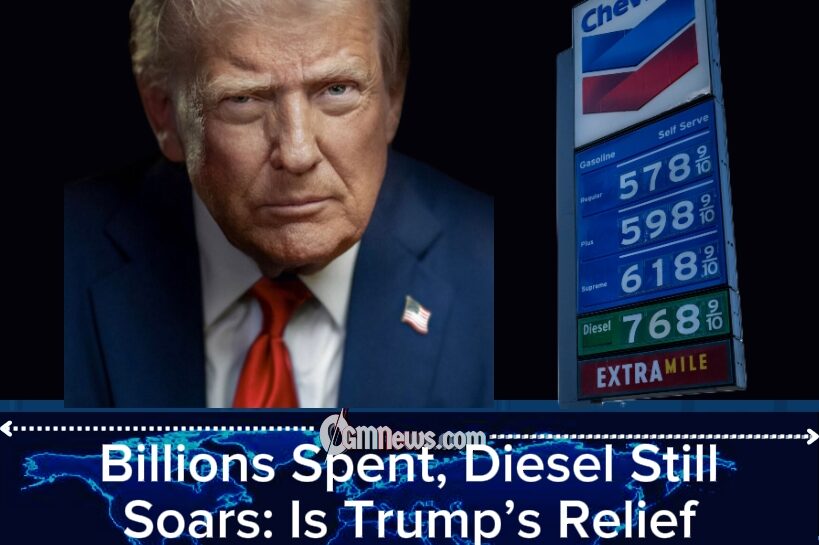
Obama directly linked the conflict to rising oil and diesel prices, arguing that the consequences extend far beyond military installations and political speeches. When oil supplies face disruption, traders may anticipate shortages, shipping costs can rise and energy markets can become more volatile. Those pressures can eventually affect transportation, manufacturing, food distribution and other everyday expenses. For households already struggling with high living costs, geopolitical tension can become another unwelcome addition to the monthly budget.
However, the economic picture requires some nuance. The Strait of Hormuz is a major factor in global energy security, but the price of every product does not rise for one reason alone. Exchange rates, taxes, supply chains, domestic policies and production costs also matter. Nevertheless, Obama’s criticism puts the administration under pressure to explain how its military strategy will deliver lasting security without imposing further economic burdens. For consumers, the debate is less about political victories and more about whether fuel and essential goods will become affordable again.
The controversy leaves President Trump facing a difficult political test: demonstrating that the war’s strategic objectives justify its military and economic costs. Obama’s remarks have turned the Strait of Hormuz into more than a question of naval security; it is now central to an argument about leadership, diplomacy and the price ordinary people pay for decisions made at the highest levels of government. OGM News will continue monitoring developments in the conflict, international oil markets and the potential consequences for consumers. Stay tuned for further updates.
78betvip, hopped in for a quick look. Eh, the VIP perks are alright, but not...