








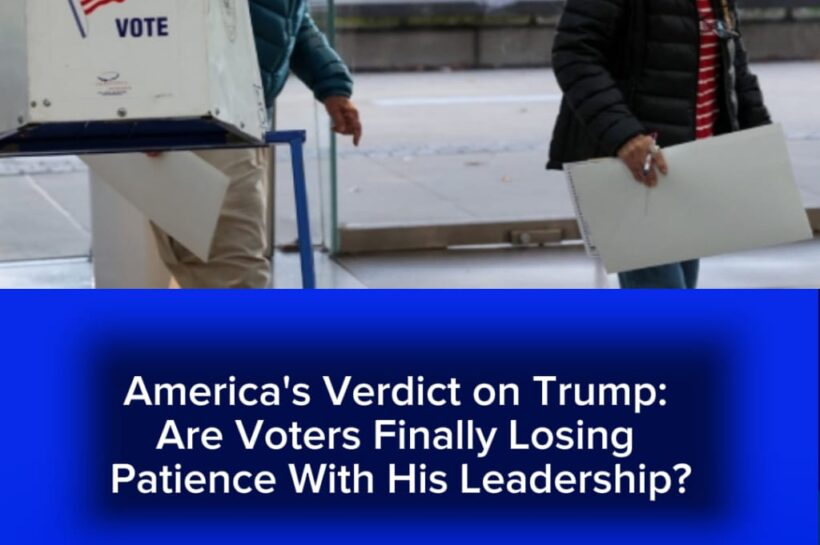
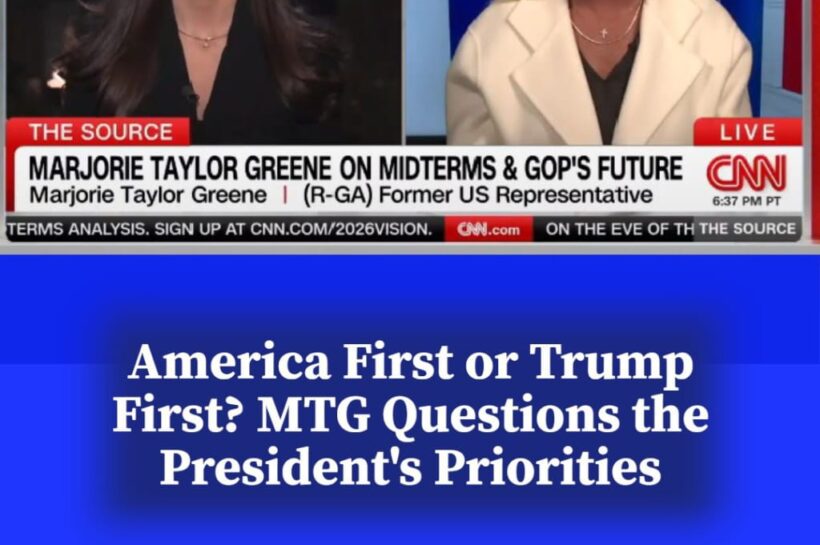













November 3, 2026 — Millions of Americans are heading to polling stations in the United States midterm elections, with President Donald J. Trump facing a significant political test as voters decide whether Republicans deserve another two years of control over Congress. With Democrats increasingly optimistic about winning the House of Representatives and the Senate race remaining uncertain, Tuesday’s election is shaping up to be more than an ordinary congressional contest. It is becoming a public assessment of Trump’s second-term leadership, economic decisions and foreign policy.
For a president who has repeatedly encouraged supporters to imagine that his name is on the ballot, Americans appear ready to take the suggestion seriously. Unfortunately for Republicans, voters are not being asked to grade Trump’s campaign speeches; they are being asked to judge the consequences of his administration’s decisions. And with fuel prices, food costs and the war with Iran weighing heavily on public concerns, the ballot could become a rather uncomfortable report card for the White House.
TRUMP’S PRESIDENCY BECOMES THE BIGGEST ISSUE ON THE BALLOT
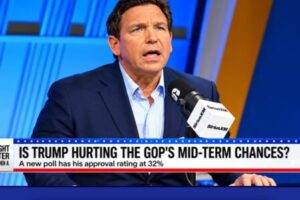
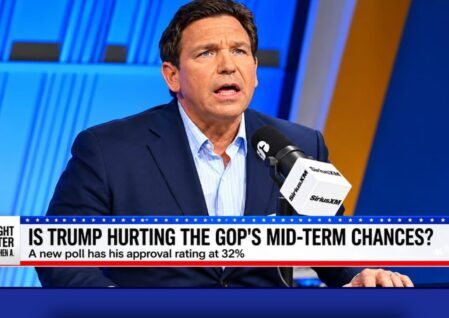
Historical trends offer Democrats a reason for optimism. Since the Second World War, the party controlling the White House has lost congressional ground in all but two midterm elections. Trump’s approval rating is also reportedly hovering near its lowest levels, with dissatisfaction over the Iran conflict and rising domestic costs creating additional political difficulties for Republican candidates.
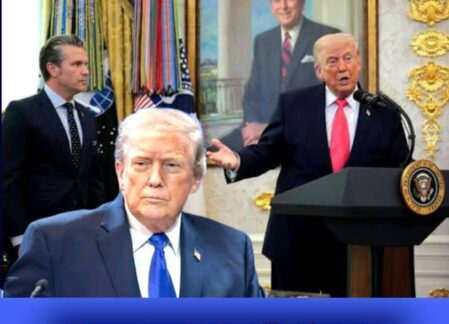
Trump, however, has not surrendered the campaign battlefield. He has held more than two dozen rallies since the beginning of October, largely in states he comfortably won in 2024. Republicans have also attempted to portray Democratic candidates as radical and un-American. But the president’s strategy of making himself the central attraction has created an obvious political problem: Republican candidates must defend their own records while simultaneously defending Trump’s.
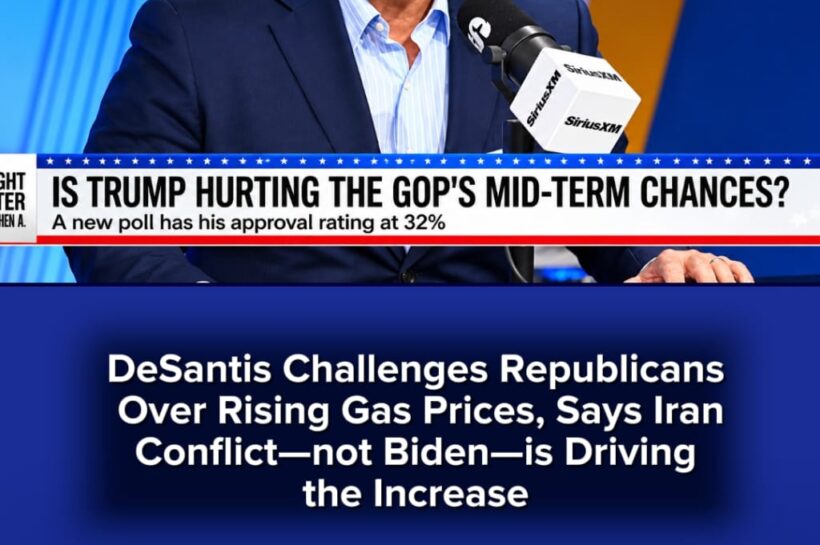
The economic situation is particularly important. Voters are increasingly concerned about affordability, with rising fuel and food prices becoming major campaign issues. Trump’s sweeping tariffs, several of which faced legal challenges, and the military action against Iran have intensified arguments about the administration’s impact on household expenses. In Detroit, voter Natalia Towns expressed doubts about Republican Senate candidate Mike Rogers and indicated that she believed Democratic candidate Abdul El-Sayed would do more to address the cost of living. Apparently, campaign slogans cannot always convince voters that their shopping bills are imaginary.
SENATE BATTLE AND ELECTION MONITORS ADD TO THE DRAMA
Although Democrats are widely favoured to make gains in the House of Representatives, the Senate contest remains much less predictable. Michigan has attracted particular attention because of Abdul El-Sayed’s closely watched campaign and the debate surrounding American support for Israel. Trump has also announced an intention to stop the $3.8 billion in annual military funding promised to Israel after the end of this year. However, the legal and practical route for implementing that announcement remains unclear because of the existing US-Israel funding agreement and related legislation.
The election has also raised questions about the administration’s approach to election oversight. The Justice Department announced that approximately 1,000 election monitors and observers would be deployed across all 50 states, describing the operation as the largest in its history. The department says the monitors will observe compliance with federal voting-rights laws, while critics have expressed concerns about possible voter intimidation and the political implications of such an extensive deployment. The monitors’ presence is therefore becoming another important talking point in an election already surrounded by intense political suspicion.
Democrats have also expressed concern that Trump could challenge the results if Republicans suffer major losses, particularly given his history of making unfounded claims about election fraud. The president’s repeated attacks on the credibility of American elections have made the question of accepting the final results particularly sensitive. For a country that regularly presents itself as a global defender of democracy, the expectation should be straightforward: count the votes, respect the outcome and allow the voters to have the final word.
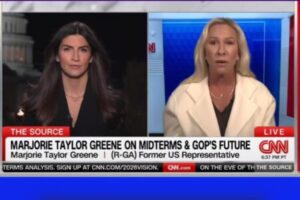
Ultimately, the 2026 midterm elections represent a major test of President Donald Trump’s second-term leadership, with the economy, foreign policy, congressional control and public confidence in elections all competing for attention. Democrats are hoping to turn voter dissatisfaction into political gains, while Republicans are fighting to retain their congressional influence. Whether Trump emerges politically strengthened or weakened will depend on the final results. Stay with OGM News for further updates as America awaits the verdict of its voters.
Great selection of live dealer games. The streaming quality is crystal clear and the dealers...