






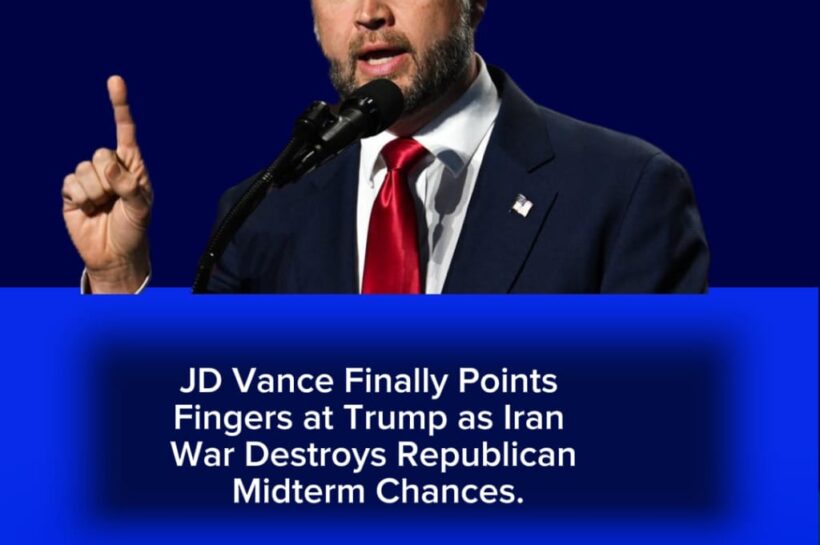
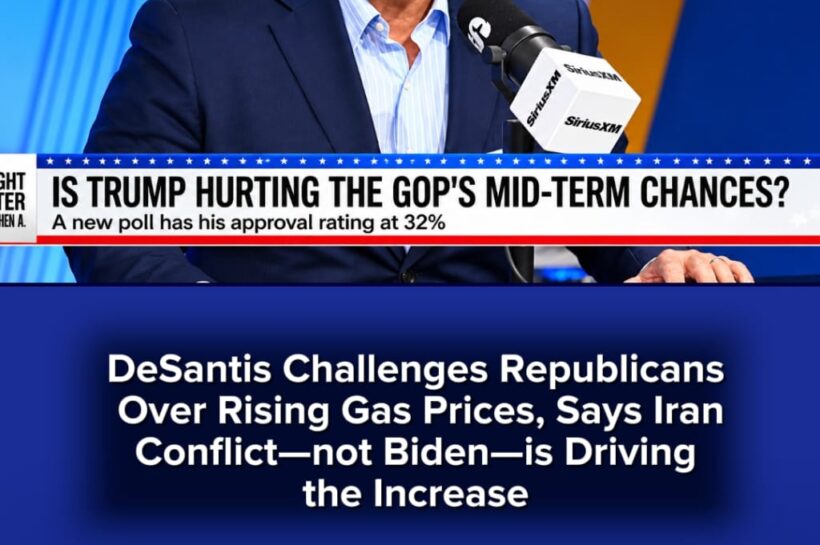
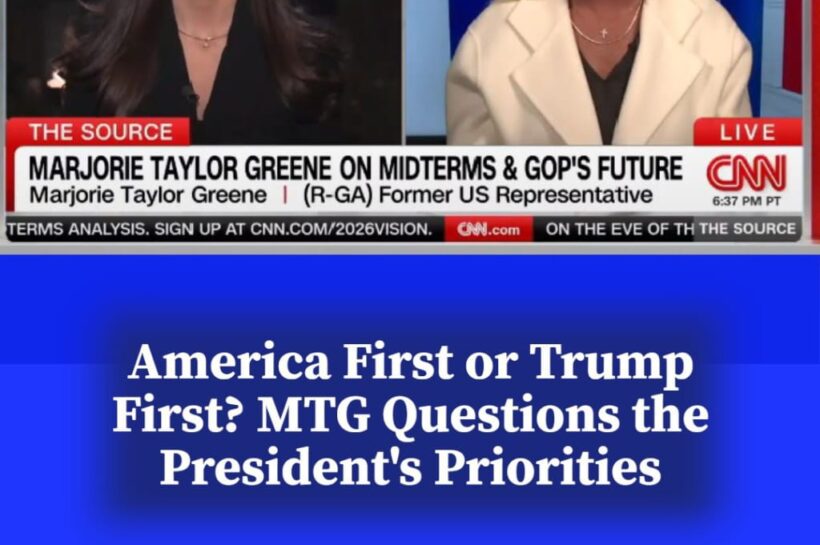
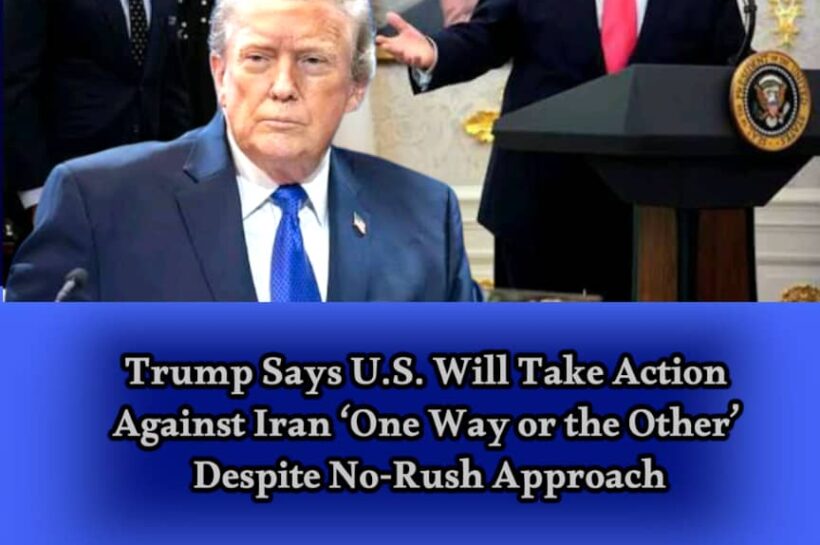




Vice President JD Vance has delivered one of the strongest public criticisms yet of President Donald Trump’s military campaign against Iran, openly blaming the controversial conflict for the Republican Party’s crushing defeat in the November 3, 2026, midterm elections. In a remarkable political intervention on Wednesday, November 4, Vance declared that the Iran war was the principal reason Republicans lost, suggesting that the administration’s foreign policy decisions had alienated voters who previously supported the Trump-Vance ticket. His intervention has created an uncomfortable political moment for the White House, with the Vice President appearing increasingly determined to explain why the party lost rather than simply defend the President’s decisions.
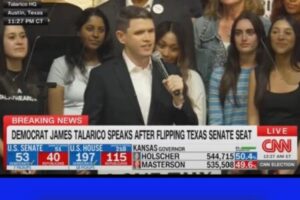
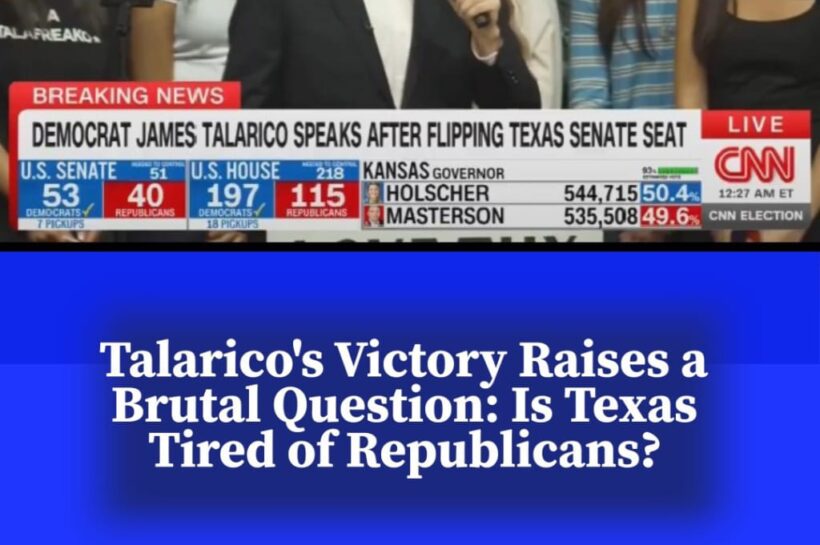
The timing is particularly significant. Democrats have secured control of both the House of Representatives and the Senate, delivering a major electoral setback to Trump’s administration. Vance’s public criticism has therefore opened another difficult chapter for Republicans, raising questions about internal disagreements, political accountability and the future direction of the MAGA movement. Apparently, the war that was supposed to demonstrate American strength has now become a serious political headache for the very administration that launched it.
Vance Blames Iran War for Republican Defeat as Political Tensions Grow
In a lengthy statement published on X, Vance argued that Republican voters had not simply abandoned the party because of poor campaign strategies or weak candidates. Instead, he suggested that many Americans who supported Trump and Vance in 2024 had returned to the ballot box in 2026 only to vote for Democratic candidates. His most striking declaration was that the war was the reason Republicans lost, adding that President Trump himself had acknowledged the conflict’s contribution to the electoral defeat.
Vance also challenged supporters of the military campaign to defend its political and economic consequences. He argued that anyone who believed the war was worth losing control of the Senate should openly make that argument. The statement sounded less like a routine attempt to rebuild party morale and more like a public demand for accountability. For a Vice President who has spent much of the year defending the administration, the change in tone is difficult to ignore. Suddenly, the political conversation is no longer just about defeating Iran; it is also about explaining how the conflict helped defeat Republicans at home.
Trump’s Defence, Rising Fuel Prices and Vance’s 2028 Calculations
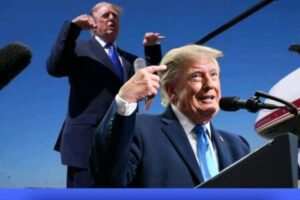
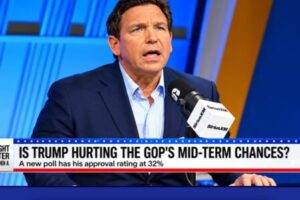
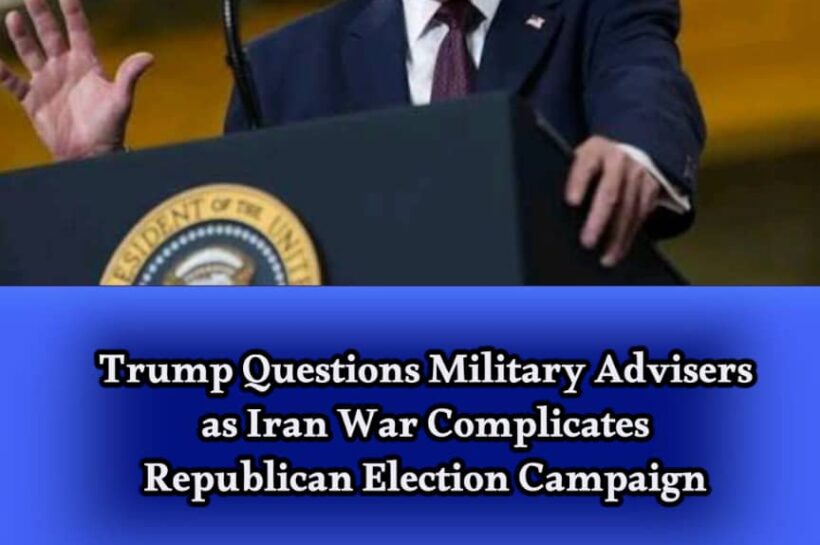
President Trump, however, has not accepted the argument that the military operation was a mistake. In a post-election interview, he acknowledged that the conflict and its impact on gasoline prices had hurt Republicans, but maintained that the economic consequences were temporary and that the military objective justified the cost. That position highlights the growing disagreement within the Republican leadership over whether the administration should continue defending its Iran strategy or reconsider its priorities.
Vance’s intervention also carries significant implications for his political future. With speculation surrounding a possible 2028 presidential campaign, his decision to publicly identify the Iran war as the principal reason for the Republican defeat could be interpreted as an attempt to distance himself from an increasingly unpopular policy.
He has also pointed to voters’ demands for an America First agenda, a stronger focus on domestic economic concerns and a reassessment of America’s relationship with Israel. Nevertheless, Vance has rejected calls for immigration amnesty, insisting that changing enforcement priorities should not mean abandoning the administration’s immigration principles. The political challenge is clear: he must explain how he can remain a leading figure in Trump’s administration while preparing to appeal to voters who are increasingly dissatisfied with its decisions.
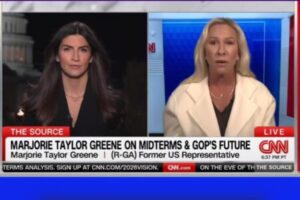
The Republican midterm defeat has exposed serious disagreements within the party, and JD Vance’s criticism of the Iran war suggests that the battle over responsibility is only beginning. While Trump continues to defend his military decision, Vance appears to be positioning himself for a different political conversation about the future of the Republican Party and the MAGA movement. Whether this represents genuine disagreement, political survival or early preparation for 2028 remains an important question. One thing is certain: the political consequences of the Iran war are no longer limited to the Middle East. Watch out for further developments on this story from OGM News.

Great selection of live dealer games. The streaming quality is crystal clear and the dealers...