




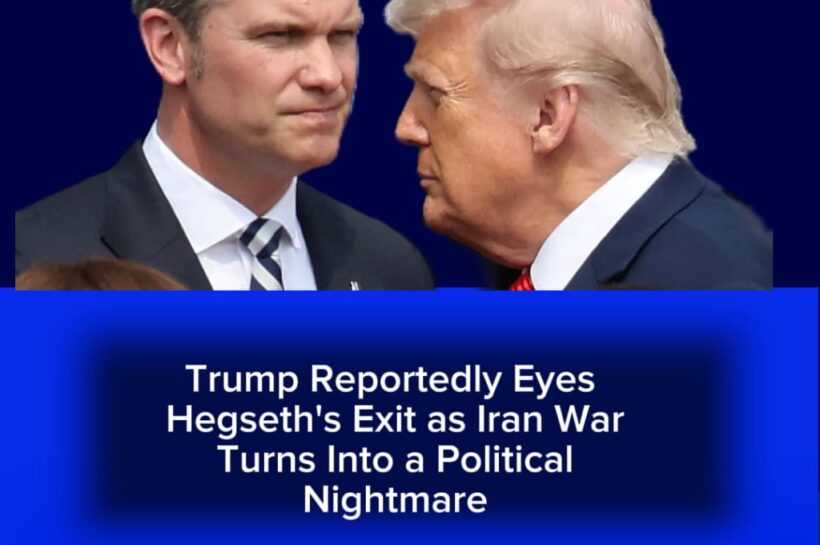
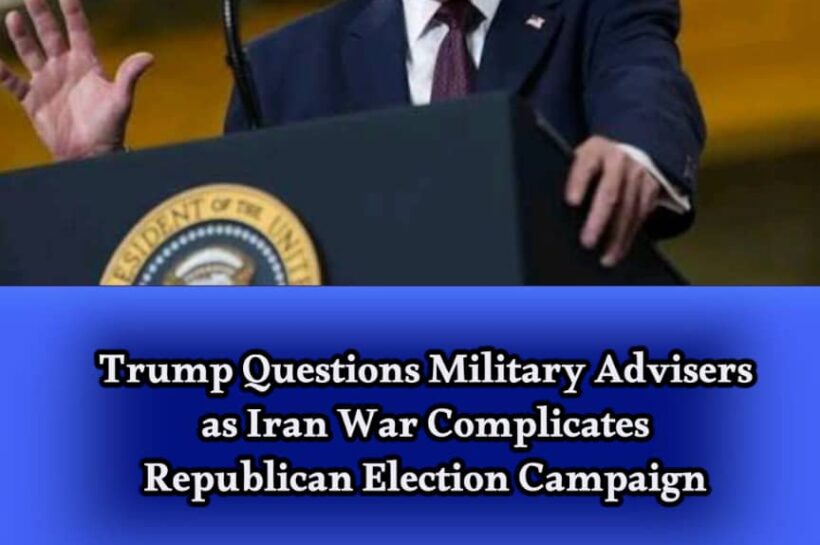

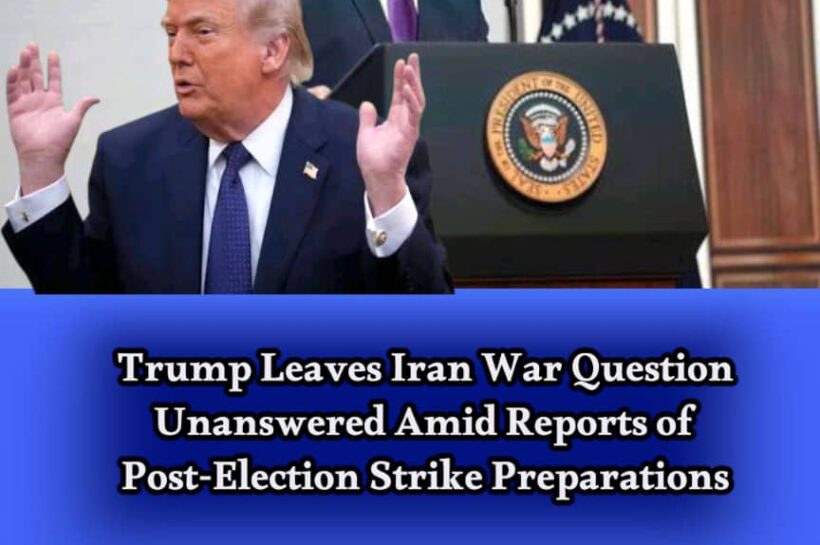






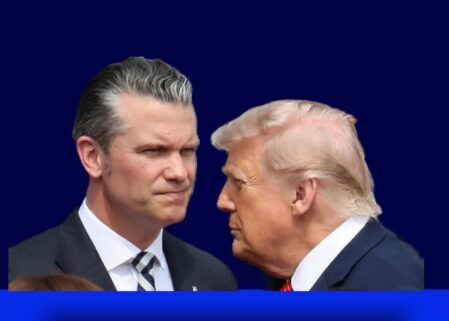
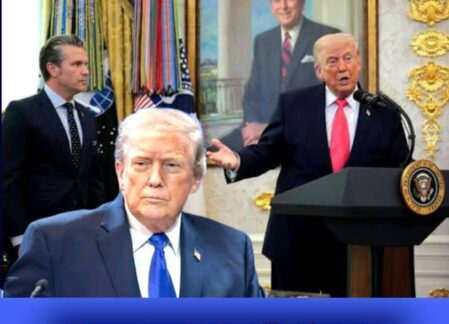
US President Donald J. Trump is reportedly questioning the competence and future of two of his most senior military officials, Defence Secretary Pete Hegseth and Chairman of the Joint Chiefs of Staff General Dan Caine, as the White House weighs the possibility of restarting military strikes against Iran shortly after Tuesday’s November 3 midterm elections.
With Republicans facing a potentially difficult electoral battle, the president appears increasingly concerned about a conflict that was reportedly presented to him as a relatively quick and decisive military operation. Now, the same officials who were expected to deliver a swift victory are reportedly facing questions about their performance, raising the possibility that Washington’s next major military decision could come with a significant shake-up at the Pentagon.
According to a November 1 report by The Atlantic, Trump has privately sought the opinions of close advisers about Hegseth and Caine, reportedly questioning whether they gave him an overly optimistic assessment of how quickly the Iran conflict could end. In Washington, apparently promising a quick victory is one thing; explaining why the victory has not arrived is another.
Trump Questions Military Leadership as Iran Strike Options Return to the Table
The reported dissatisfaction comes as the administration considers several possible military options against Iran. Hegseth, Caine and Admiral Brad Cooper, the head of US Central Command, reportedly presented Trump and Vice President JD Vance with different scenarios during a White House briefing last week. The options range from limited strikes lasting a few hours to a broader military campaign extending over several weeks, potentially targeting Iran’s nuclear facilities, military defences and infrastructure. Another possibility involves maintaining the naval blockade around the strategically important Strait of Hormuz while keeping the threat of additional attacks alive.
However, the central political problem may be less about the military options and more about the expectations surrounding the conflict. Some advisers close to Trump reportedly believe Hegseth has been presenting an excessively positive picture of the war to maintain the president’s confidence. One outside adviser was quoted as saying that Hegseth was particularly good at telling Trump what he wanted to hear. That allegation raises uncomfortable questions about whether military assessments reaching the Oval Office have adequately reflected the difficulties on the battlefield.
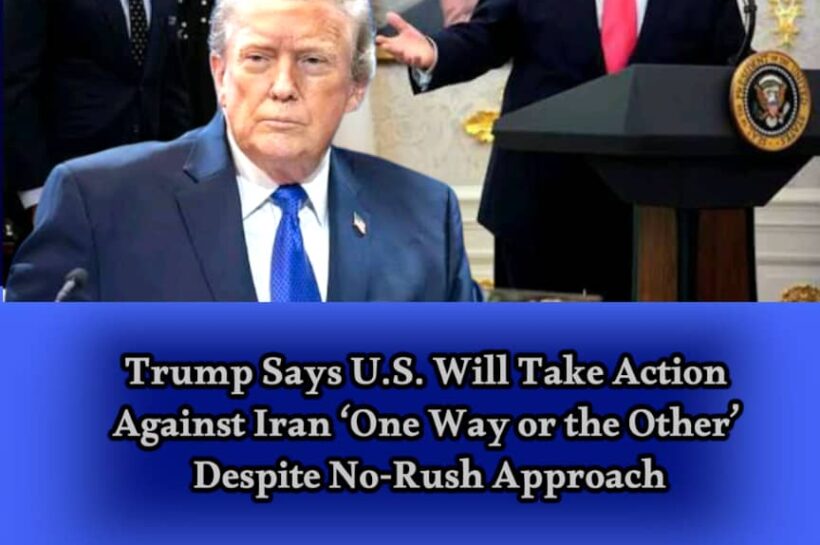
There is also growing uncertainty about whether the president will actually authorise another round of attacks. During a telephone conversation on Saturday, Trump and Israeli Prime Minister Benjamin Netanyahu reportedly discussed the state of negotiations with Iran and the possibility of returning to military action. According to reporting by Axios, Netanyahu favoured renewed strikes immediately after the midterm elections, while Trump preferred allowing diplomatic negotiations more time. Trump subsequently confirmed that the two leaders had spoken and that Iran was among the subjects discussed. For now, the White House appears to be keeping both diplomacy and military escalation on the table.
Pentagon Tensions, Alleged Dossiers and the Possibility of a Political Reckoning
Meanwhile, Hegseth’s leadership of the Pentagon is facing another controversy following the dismissal of Army Lieutenant General Brett Sylvia, who was previously involved in military strategy and planning. Pentagon officials have alleged that Sylvia was involved in leaking sensitive information and claimed that he failed three polygraph tests during an investigation. The allegations have not been independently established as proof of wrongdoing, and reporting has also highlighted disagreements among Pentagon sources over the accusations. The controversy has added to questions about the growing tensions between military officials and Hegseth’s leadership team.
Separate reporting has also alleged that some Pentagon officials have been quietly preserving emails, internal memoranda and meeting records concerning Hegseth’s leadership decisions. According to the material supplied for this report, the records allegedly document disagreements over strategic and legal advice, the treatment of senior officials, communications with Congress and threats to the careers of subordinates. These claims remain allegations rather than established findings, but their potential significance could become greater if Democrats regain control of the House of Representatives and launch investigations into the department’s management.
The Pentagon dossier allegations are particularly significant because a separate report published on October 31 by the Daily Mail described disgruntled military and civilian officials allegedly preserving documents in secure locations for possible congressional investigations. The reported collection includes emails, meeting notes and memoranda that could be handed to lawmakers if Democrats regain control of the House. The possibility of an impeachment investigation in 2027 has also been raised, although no such future investigation is guaranteed.
For Hegseth, the political danger is that the controversy is no longer limited to disagreements over military strategy. His leadership style, personnel decisions and relationship with senior military officials are increasingly becoming subjects of public scrutiny. However, the White House has publicly maintained that Trump has confidence in both Hegseth and Caine, while Pentagon spokesman Sean Parnell has rejected claims that the defence secretary gives the president an incomplete picture of the conflict.
Ultimately, Trump faces a difficult choice: continue negotiations with Tehran, authorise another military campaign or make changes within his defence leadership. Netanyahu’s reported preference for renewed attacks adds another layer of pressure, while the potential political consequences of the Iran conflict could make the coming days particularly consequential. Whether Hegseth and Caine remain in their positions or become casualties of Washington’s growing political and military tensions remains to be seen. Watch OGM News for further updates as the midterm elections approach and the next chapter of the Iran conflict unfolds.
Great selection of live dealer games. The streaming quality is crystal clear and the dealers...