



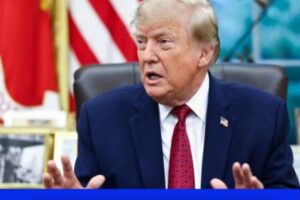
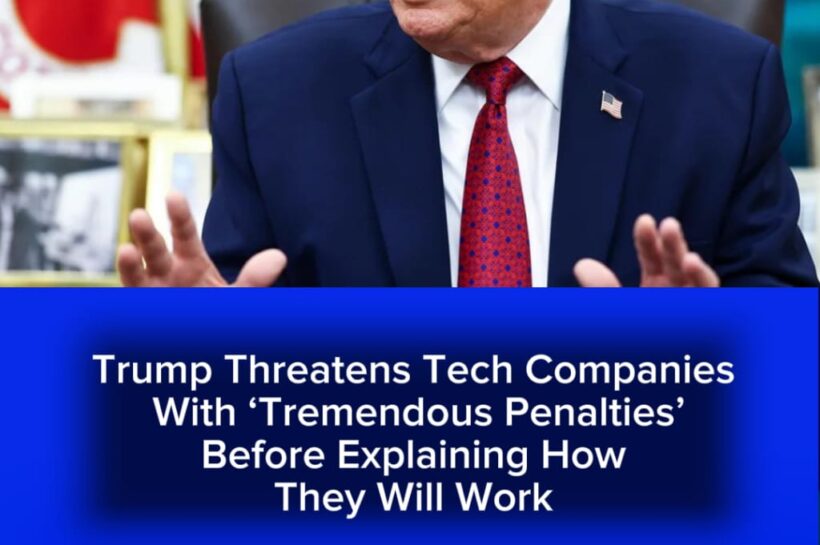






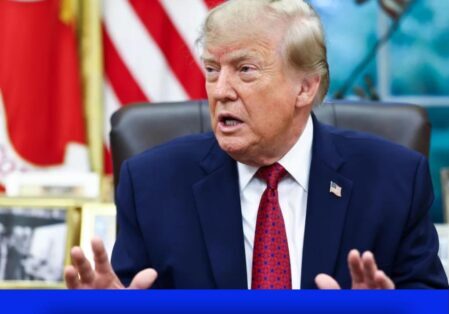
WASHINGTON, D.C. — US President Donald Trump has threatened to impose “tremendous penalties” on American technology companies that build datacenters outside the United States, declaring that he wants the country’s artificial intelligence infrastructure to remain on American soil. However, the president offered no specific details about the proposed penalties and acknowledged that he had not yet informed his own officials about the plan, leaving the technology industry with a warning that appears to have arrived before its accompanying instructions.
During a wide-ranging White House press conference on Friday, Trump also addressed concerns about Iran, defended Vice-President JD Vance’s explanation of Republican electoral setbacks, and described his relationships with Russian President Vladimir Putin and Chinese President Xi Jinping as fantastic. With artificial intelligence, international security and political disagreements competing for attention, the president’s remarks turned the briefing into another demonstration of how Washington’s political agenda can move from technology investment to geopolitical tensions without waiting for a commercial break.
Trump Wants American Datacenters to Stay Home as Technology Companies Face New Threats
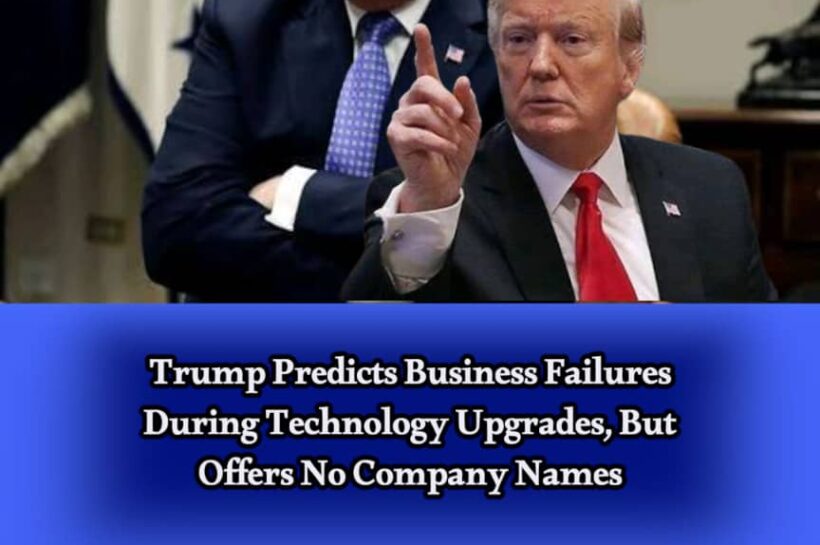
Trump insisted that American companies should construct their datacenters within the United States rather than establish them in other countries. He argued that allowing overseas construction could give China access to valuable technological infrastructure and declared that his administration would impose severe penalties on companies attempting to move their investments abroad.
The president’s announcement, however, came without a detailed explanation of how the penalties would work, which companies might face them, or what legal framework would support the proposed restrictions. His statement that officials had not yet been informed added another layer of uncertainty, leaving businesses to consider whether the warning represented an immediate policy direction or an announcement still awaiting its administrative paperwork.
Trump also encouraged American communities to welcome datacenter developers while demanding financial benefits from their projects. He argued that towns and cities should negotiate payments and concessions rather than reject construction outright, suggesting that communities could turn the growing demand for artificial intelligence infrastructure into an economic opportunity.
The debate reflects mounting public concern about datacenters, particularly their electricity consumption, water requirements, land use and impact on local communities. Technology companies have increasingly faced pressure to explain how their facilities will benefit residents, while the administration’s position places greater emphasis on keeping investment, infrastructure and technological advantages within the United States.
Iran Concerns, China Restrictions and Trump’s ‘Fantastic’ Relationships With Putin and Xi
Trump also addressed reports that Iran might have considered detonating a so-called dirty bomb in Washington, D.C., describing the allegation as a rumour and promising that the United States would respond if such an attack occurred. He claimed his administration knew extensively about developments in Iran but provided no independent evidence during the briefing to establish that the reported threat was imminent.
A dirty bomb generally refers to a conventional explosive designed to spread radioactive material. It is different from a nuclear weapon, although the potential contamination and public panic associated with such an attack could make it a serious security concern. Trump’s comments therefore placed another sensitive national-security issue into an already crowded press conference, without resolving the underlying allegations.
The president also defended Vance after the vice-president attributed Republican midterm setbacks partly to the Iran war. Trump described Vance’s explanation as accurate, while adding that he would have emphasised his determination to prevent Iran from acquiring a nuclear weapon. The exchange suggested that the administration was willing to acknowledge political consequences while maintaining its position on the conflict.
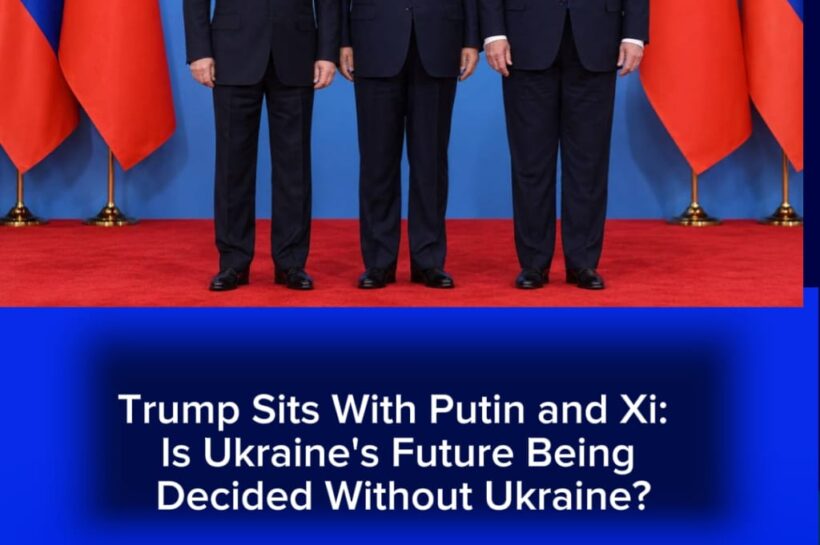
Trump’s comments about Putin and Xi added a diplomatic dimension to the briefing. Despite questions about Russia’s relationship with Iran and its past interference in American elections, the president said he had fantastic relationships with both leaders and described those relationships as beneficial to US security. He also repeated his grievances about the investigation into Russian interference in the 2016 presidential election.
The president further discussed Texas governor-elect Gina Hinojosa, saying she had contacted him and that their conversation was productive. He also praised Democratic House leader Hakeem Jeffries, describing him as smart and streetwise despite their previous public disagreements.
Trump’s latest press conference has placed American datacenter investment, artificial intelligence competition, Iran-related security concerns and relationships with Russia and China at the centre of another politically charged Washington debate. His threat of tremendous penalties against companies building abroad raises important questions about the future of US technology investment, while the absence of specific details leaves businesses and communities waiting for clarification. OGM News will continue to monitor developments and bring readers further updates as the story unfolds.
I was looking for a reliable spot to unwind and this platform exceeded my expectations....