


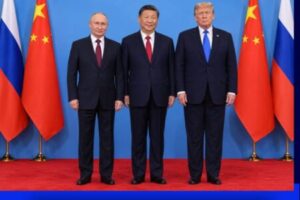



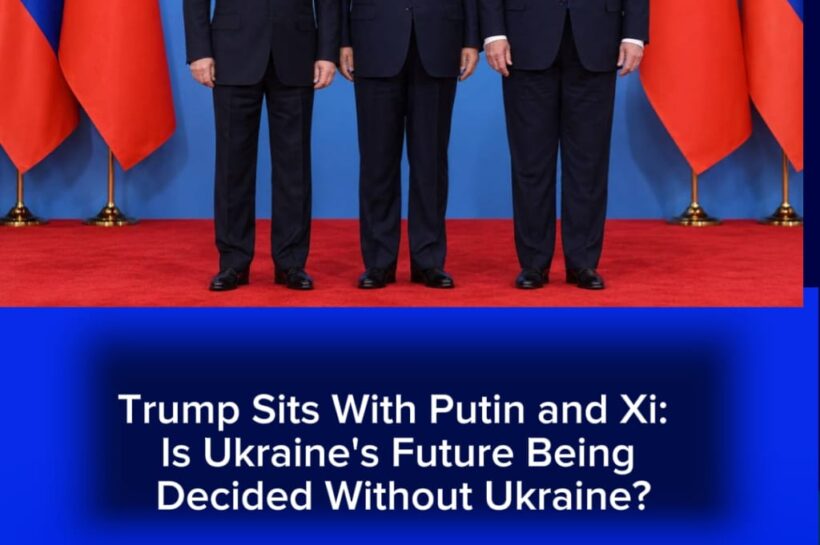







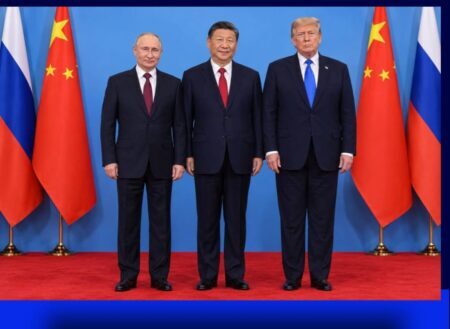
The leaders of the United States, Russia and China have made history by holding an unprecedented three-way meeting in Shenzhen, China, but the atmosphere of diplomatic optimism surrounding the gathering has quickly encountered an uncomfortable reality. US President Donald J. Trump, Russian President Vladimir Putin and Chinese President Xi Jinping sat together to discuss global security, nuclear weapons reduction and the Russia-Ukraine war, presenting themselves as powerful leaders capable of influencing the future of international peace. However, barely had the diplomatic conversations ended when Putin delivered a fresh warning against Ukraine, promising a much more painful response to attacks on the strategically important Crimean Bridge. Apparently, peace was on the conference table, but threats were still waiting outside the meeting room.
THE HISTORIC TRILATERAL MEETING: THREE WORLD POWERS, ONE TABLE AND MANY UNANSWERED QUESTIONS
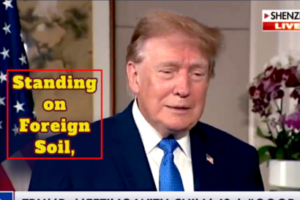
The meeting, held on November 19, 2026, at Kylin Villa in Shenzhen on the sidelines of the Asia-Pacific Economic Cooperation (APEC) summit, marked the first-ever trilateral gathering of the leaders of the United States, Russia and China. The three nuclear powers discussed international security, the possibility of reducing nuclear arsenals, regional conflicts and the ongoing Russia-Ukraine war. Trump described the gathering as historic, expressing optimism that cooperation among the three countries could produce meaningful progress. Putin also presented the meeting as an opportunity for international cooperation based on mutual respect and shared interests, while Xi hosted the gathering as China continued to strengthen its position in global diplomacy.
However, the biggest question is whether the meeting produced any concrete breakthrough or merely delivered another impressive diplomatic photograph. Although reports indicated that the leaders discussed cooperation and reducing nuclear risks, the details of their closed-door discussions remained limited. There were also concerns that Ukraine and European leaders could be sidelined in negotiations concerning the future of the war. Trump appeared optimistic about the possibility of progress, but optimism alone cannot substitute for an enforceable peace agreement. After all, bringing three powerful leaders around a table is one achievement; getting them to agree on what happens outside that room is an entirely different challenge.
PUTIN’S PEACEFUL LANGUAGE COLLIDES WITH A FRESH WARNING TO UKRAINE
The diplomatic atmosphere became considerably more complicated when Putin addressed journalists after the meeting. Following Ukrainian attacks on the Crimean Bridge, which links Russia to the occupied Crimean Peninsula, the Russian president threatened that Moscow’s response would be much more painful. He also rejected the possibility of an agreement to suspend attacks on energy infrastructure and maritime targets following the latest strikes. Putin maintained that the bridge was used exclusively for civilian purposes, while Ukraine has described it as an important supply route for Russian military operations. The disagreement illustrates how difficult it remains to establish even a basic understanding between the two sides.
Putin also warned against European military involvement in Ukraine, insisting that Moscow would not accept military arrangements involving Ukraine and European countries or the deployment of foreign troops as part of a potential settlement. He suggested that European leaders should come to Moscow if they wanted discussions to progress. His position raises another uncomfortable question: can a genuine peace agreement emerge when one side appears determined to dictate the security arrangements of another sovereign country? Meanwhile, Trump faces the challenge of demonstrating that his diplomatic relationship with Putin can produce practical results rather than simply generate friendly photographs and optimistic statements. The world may appreciate diplomatic engagement, but Ukraine and its European partners will certainly want more than reassuring speeches.
The contrast is particularly striking: Trump has spoken about reducing nuclear dangers, Xi has emphasised cooperation among major powers, and Putin has presented himself as a participant in international peace efforts, yet the Russian leader’s subsequent threat has revived concerns about whether diplomatic engagement is translating into genuine de-escalation. A peace process cannot be judged by the smiles, handshakes or declarations made at a summit; it must ultimately be measured by actions on the battlefield.
The Shenzhen meeting may become an important moment in international diplomacy, but Putin’s warning has exposed the enormous distance between discussing peace and actually delivering it. Trump now faces the challenge of proving that his engagement with Putin and Xi can produce meaningful results, while the international community awaits evidence that the three powers can turn diplomatic conversations into practical commitments. Is this the beginning of a genuine peace initiative, or another round of international political theatre? OGM News will continue monitoring developments and bring readers further updates as the story unfolds.
I was looking for a reliable spot to unwind and this platform exceeded my expectations....