




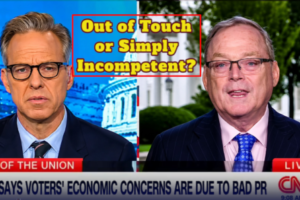

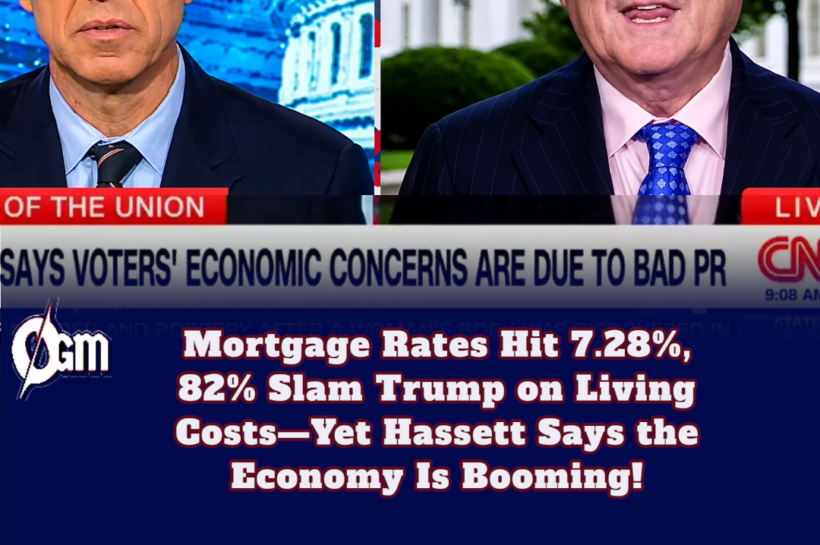



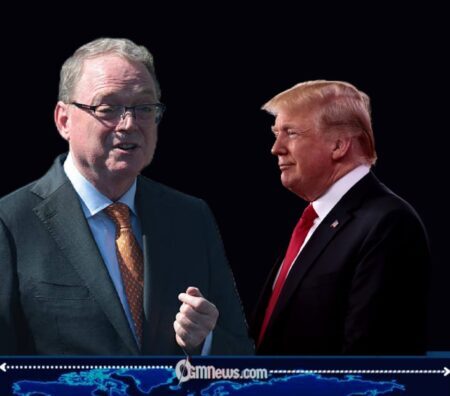
Kevin Hassett, White House National Economic Council Director has defended President Donald Trump’s decision to take military action against Iran, arguing that the conflict began after Tehran indicated it was no longer prepared to negotiate while allegedly being only weeks away from developing a nuclear weapon.
Hassett said the administration viewed Iran’s nuclear programme and its actions against shipping as threats that required a response from the president. His comments come as the U.S.-Iran conflict continues into its seventh month, with the war having generated major military, economic and energy consequences.
Kevin Hassett Points to Iran’s Nuclear Threat
Kevin Hassett argued that the possibility of Iran obtaining a nuclear weapon was central to the administration’s decision to use military force. He maintained that President Donald Trump had to act after Iran was described as being close to reaching a nuclear capability.
Hassett’s argument is consistent with the administration’s stated war objectives. A Congressional Research Service review says President Trump identified preventing Iran from acquiring a nuclear weapon as one of the principal U.S. objectives, alongside degrading Iran’s ballistic-missile and naval capabilities.
Kevin Hassett Cites Attacks on Ships
Kevin Hassett also pointed to attacks involving shipping as part of the justification for the administration’s position. The Strait of Hormuz has become a major flashpoint in the conflict, with Iran threatening and carrying out attacks affecting commercial shipping and naval vessels, according to congressional research.
The disruption has had consequences far beyond the battlefield, particularly for energy markets. Rising oil and fuel prices have become an economic concern in the United States, while the administration has continued to argue that confronting Iran’s military and nuclear capabilities is necessary for longer-term security.
Kevin Hassett Defends Trump as Iran War Continues
Hassett has previously defended the president’s approach to the conflict, arguing that Trump’s military actions were intended to prevent Iran from obtaining a nuclear weapon while limiting broader damage to the Iranian population and energy infrastructure. In an August interview, Hassett said the administration’s objective was to prevent Iran from acquiring a nuclear weapon.
The conflict, however, remains unresolved. The Congressional Research Service reported that an April ceasefire and a June memorandum of understanding between Washington and Tehran later collapsed, with renewed fighting continuing into September. For OGM News, Hassett’s comments underscore the administration’s central argument that the Iran war was driven by concerns over nuclear proliferation and threats to shipping, while the continuing conflict keeps the costs and consequences of that decision at the centre of public debate.
[…] […]