
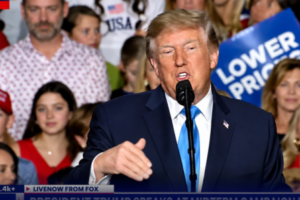
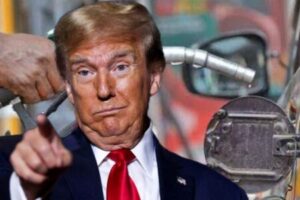




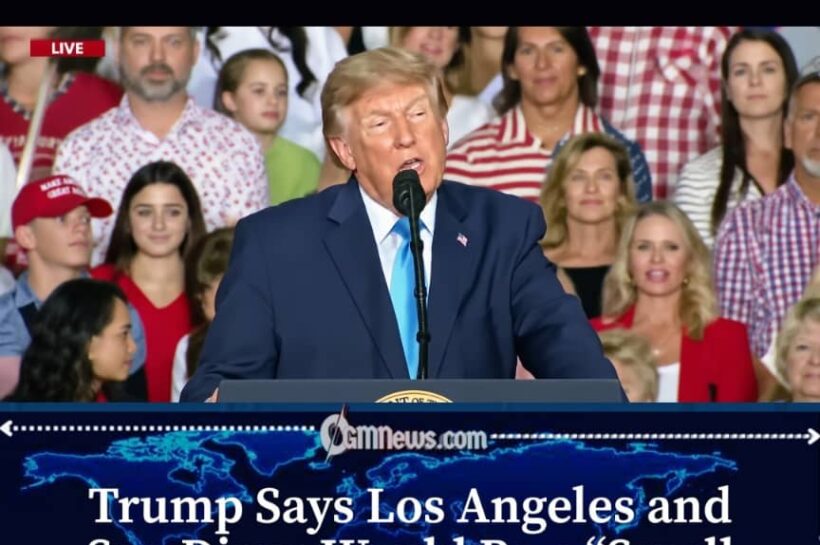
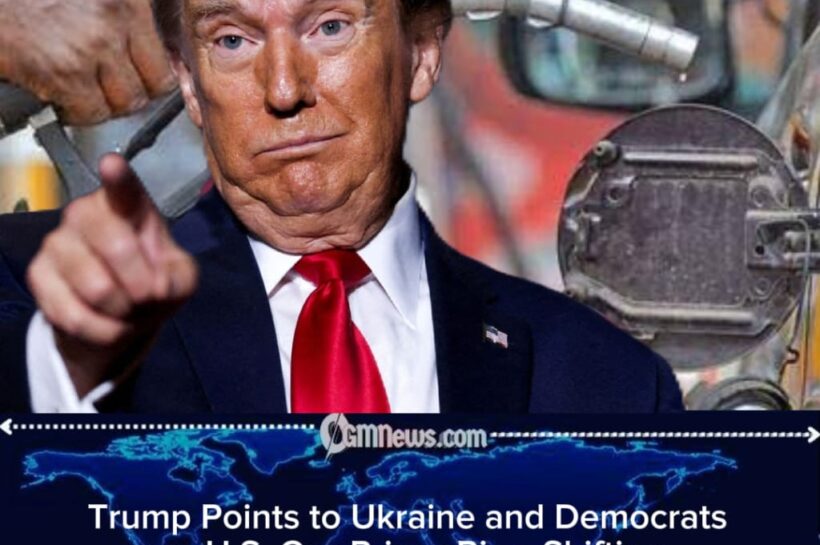

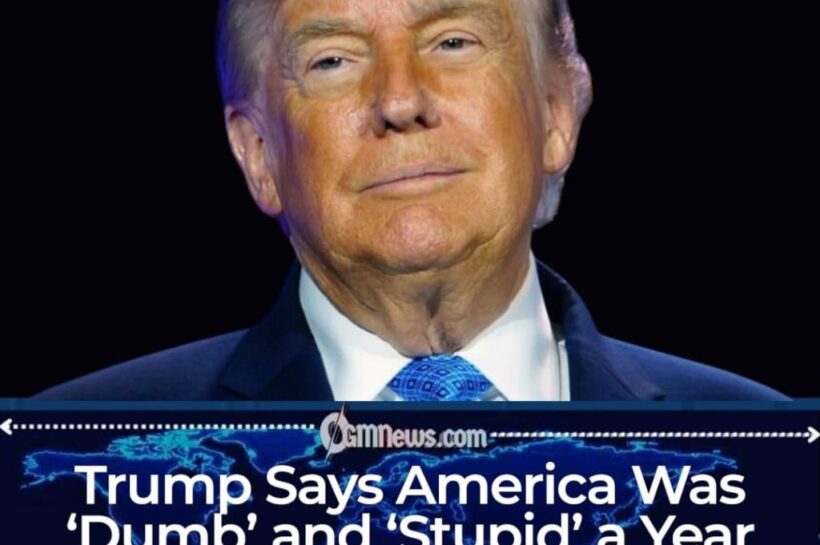



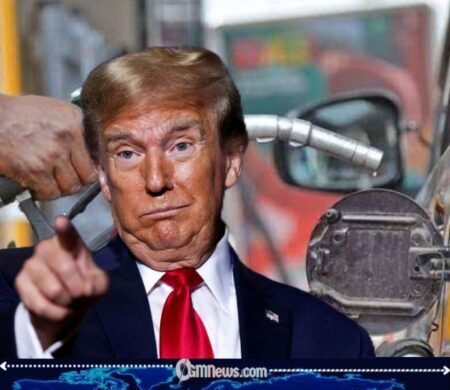
President Donald J. Trump is facing renewed pressure over soaring U.S. fuel prices after blaming Ukraine’s attacks on Russian refineries and Democrats in blue states for the pain at American gas pumps. In a Truth Social post on October 5, Trump argued that the Strait of Hormuz was no longer the main problem and instead pointed to damaged Russian refineries and refinery closures in Democratic-led states such as California.
Trump Points the Finger Abroad — and Across the Political Aisle
Trump’s argument comes as energy prices remain under considerable pressure. Ukraine’s attacks on Russian energy infrastructure have disrupted fuel supplies, while the wider Middle East conflict has also affected global energy markets. The Strait of Hormuz, through which a substantial share of the world’s oil normally passes, has been a major source of uncertainty.
But the political arithmetic is proving considerably less straightforward than the price displayed on a gas station sign. Trump has blamed Ukraine and Democrats, while his political opponents have argued that the administration’s handling of the Iran conflict is a major factor behind rising costs. With Americans paying more at the pump, the president’s explanation has quickly become part of a much larger political fight over who should carry responsibility for the economic pain.
Trump Faces a Pump-Price Political Test
The timing could hardly be more politically convenient — or inconvenient — for Trump. Rising fuel prices are arriving as the United States approaches the November midterm elections, giving voters another highly visible measure of economic conditions. A Reuters/Ipsos poll earlier this year found that 77% of registered voters blamed Trump for rising gasoline prices, suggesting that the issue could become a significant political liability.
Trump, however, has continued to argue that international events and problems within Democratic-led states are responsible for at least part of the increase. Ukraine’s refinery strikes have indeed affected energy markets, particularly diesel, meaning the president’s argument is not entirely detached from events in the oil market. But analysts and political opponents point to the broader combination of geopolitical conflict, disrupted supply and global market conditions rather than a single culprit.
The result is a familiar Washington spectacle: the gasoline pump has become a political witness, everyone has a different suspect, and American motorists are apparently being asked to pay while the politicians debate the invoice. Trump wants voters to look toward Ukraine and Democrats; his critics want them looking toward the administration’s own policies and the Iran conflict. Meanwhile, the price at the pump has shown little interest in joining either political party.
For Donald, the question may ultimately be less about who wins the blame game and more about who voters believe should pay the political price. With fuel costs remaining a major economic concern and the midterms approaching, OGM News will continue watching the pump, the polls and the presidential explanations for whatever comes next.
[…] […]