




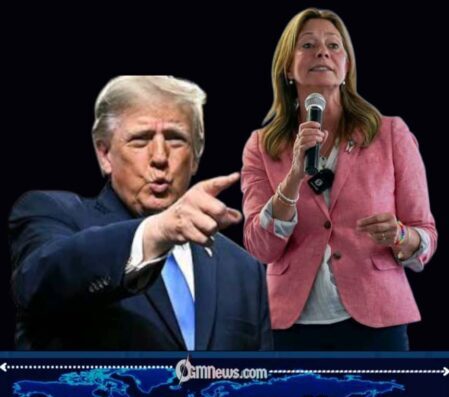
Ohio Governor’s Race has taken on a sharper national dimension after President Donald Trump told supporters that he would not help Democratic nominee Amy Acton if she defeats Republican candidate Vivek Ramaswamy in November.
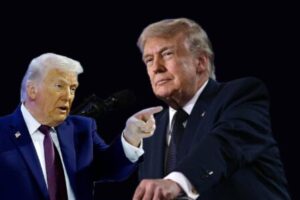
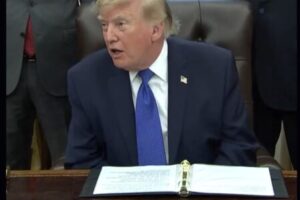
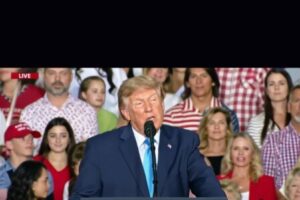
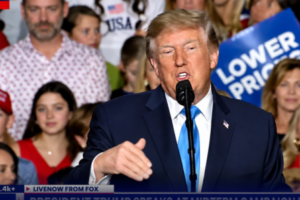
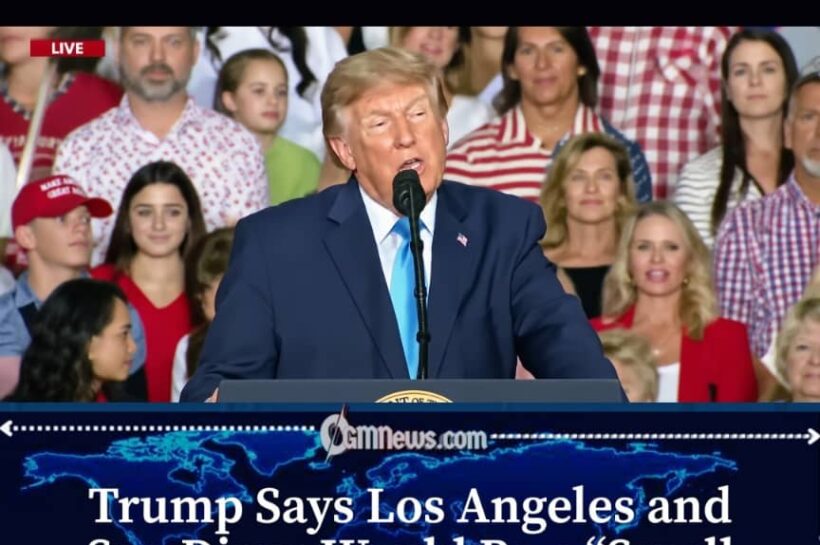
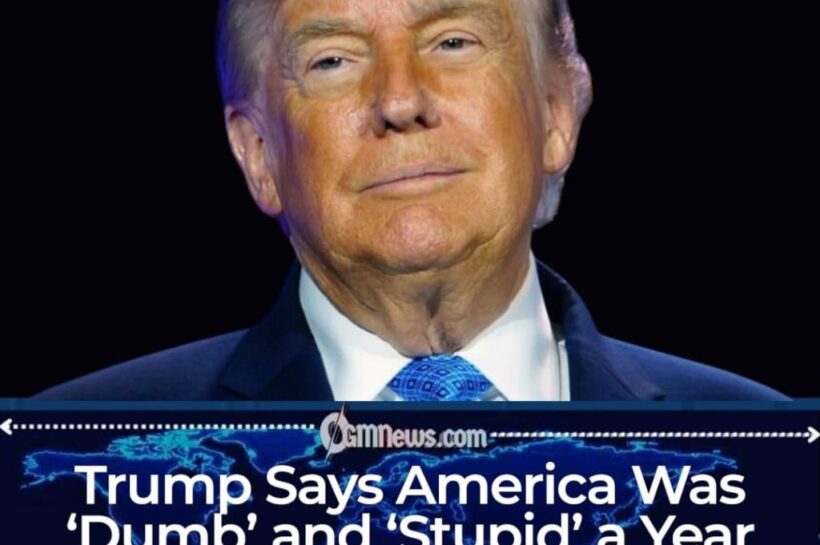
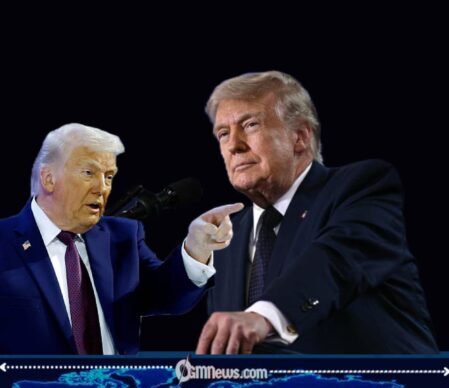
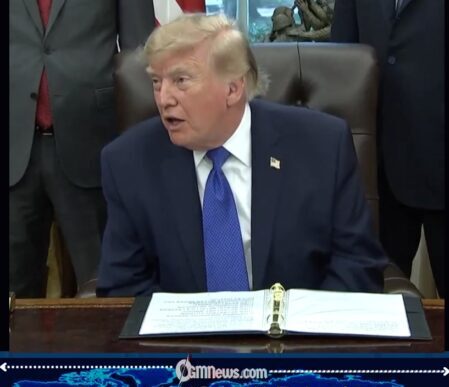
Speaking at an October 3 rally in Vandalia, Ohio, where he was campaigning for Ramaswamy and Republican Senate candidate Jon Husted, Trump said: “If Democrat Amy Acton wins, I’m not going to help her. She hates me, I guess.” Reuters reported that Trump used the rally to argue that Ohio’s election could affect the state’s relationship with his administration.
Trump Draws a Sharp Line in Ohio
Ohio Governor’s Race is being contested between Ramaswamy, the Republican nominee backed by Trump, and Acton, the Democratic nominee and former director of the Ohio Department of Health. Both candidates won their respective primaries earlier this year without serious opposition in the final nomination contests.
Trump’s appearance was designed to energize Republican voters ahead of the November 3 midterm elections. During the rally, he promoted Ramaswamy and Husted while also warning that Democratic victories could make cooperation between Ohio and the federal government more difficult. Reuters reported that Trump said he would be less willing to work with Ohio if Democrats prevailed.
Federal Cooperation Becomes Part of the Campaign
Ohio Governor’s Race now includes a question beyond the candidates’ state-level policies: how closely the next governor would work with the Trump administration. Trump has made clear that his political relationship with Ramaswamy is significantly different from the relationship he says he would have with Acton.
Acton previously served as Ohio’s health director during the COVID-19 pandemic and has made affordability, housing, health care and government accountability central themes of her campaign. Ramaswamy, a biotech entrepreneur and former presidential candidate, has campaigned on reducing taxes, lowering costs and expanding energy production in the state.
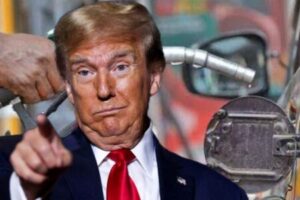
The contest has also developed against a backdrop of economic concerns in Ohio. Reuters reported that the state’s gasoline prices had risen substantially over the previous year, while the broader national debate has focused on inflation and the cost of living. Those issues have become important parts of the political environment surrounding the race.
Trump’s statement therefore gives Ohio voters another issue to consider: whether they view close alignment between the governor and the White House as beneficial or whether they prefer a governor who may take a more independent approach. His statement was political campaign rhetoric rather than a formal announcement of a specific federal policy, and the practical implications would depend on decisions by the administration, Congress and other federal agencies.
With the November election approaching, the remarks underscore how closely the Ohio governor’s contest is connected to the broader national struggle between Republicans and Democrats. For Ramaswamy, Trump’s backing remains a central feature of the campaign. For Acton, the president’s warning provides another example of the contrast she is drawing between her campaign and the Republican ticket.
[…] […]