







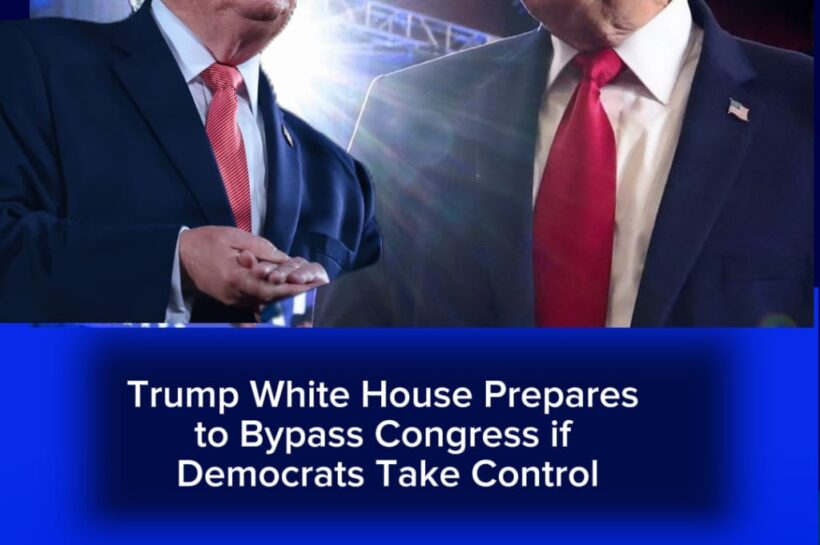



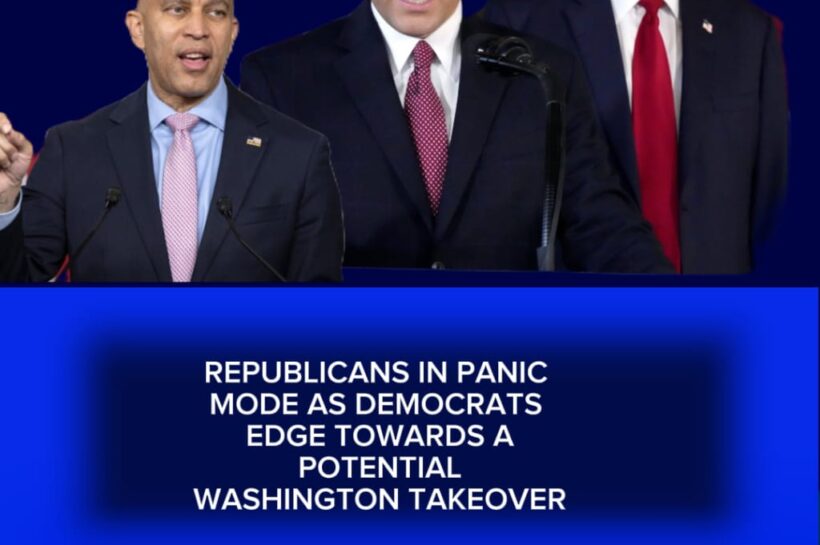





President Donald J. Trump’s White House is reportedly preparing for a political showdown in Washington, with senior officials developing strategies to keep his administration’s agenda moving even if Democrats take control of Congress in the November 3 midterm elections. Rather than waiting to discover what happens at the ballot box, the administration has apparently started preparing for life with a potentially hostile Congress — and its preferred solution appears to be governing through presidential executive powers.
According to people familiar with the preparations, senior officials, including Deputy Chief of Staff Stephen Miller and budget director Russell Vought, have been working with the White House Counsel’s Office since April to identify policies Trump could implement without requiring fresh congressional approval. The development suggests that while Republicans are publicly campaigning to retain control of Congress, officials behind the scenes are already preparing an alternative political survival strategy. Washington’s version of preparing for defeat, it seems, is making sure the president still has plenty of paperwork to sign.
EXECUTIVE POWER BECOMES TRUMP’S ALTERNATIVE PLAN
The proposed strategy reportedly covers immigration, international trade, housing costs and federal spending. Among the measures being considered are additional tariffs on imported critical minerals and wind turbines, tighter visa restrictions for international students and temporary foreign workers, and policies designed to reduce housing and construction costs.
White House lawyers, led by Counsel Will Scharf, are also examining the legal boundaries of presidential authority, including how far Trump can go without congressional approval and how the administration could defend controversial executive decisions in court. Federal agencies have reportedly submitted proposals and legal assessments of measures that could be implemented unilaterally. In other words, the administration is not simply preparing political speeches; it is reportedly preparing a legal roadmap for governing around a potentially unfriendly Congress.
Budget director Russell Vought is also examining how existing government appropriations could be used to advance the administration’s priorities. Another proposal involves changing federal grant rules to give political appointees greater influence over which government programmes receive taxpayer funding. Such changes could increase the White House’s influence over federal spending, although the legality and practical limits of any proposed changes would remain important questions.
Trump has reportedly been briefed on the preparations and participated in discussions. Asked how comfortable the president would be governing under a Democratic-controlled Congress, one person familiar with the plans reportedly described him as “very comfortable.” Trump himself has suggested that he could initially use his veto powers against Democratic proposals before eventually negotiating compromises. He even joked that he might become “Mr. Veto.” Apparently, the White House is preparing for a political wrestling match in which the president intends to keep his gloves on even if the other side controls the ring.
DEMOCRATS COULD INVESTIGATE AS WHITE HOUSE BRACES FOR CONFRONTATION
The November 3 midterm elections could significantly reshape Washington’s political balance. Republicans currently hold narrow majorities, and Democrats need a net gain of four seats in both the House of Representatives and the Senate to take control of the two chambers. Current polling favours Democrats in the House, while the Senate contest remains highly competitive. A Democratic victory would give the opposition greater power to block legislation, scrutinise government spending and delay presidential appointments.
However, taking control of Congress would not automatically remove Trump’s executive powers. The president would retain his veto authority and considerable constitutional powers over areas such as foreign policy and the federal bureaucracy. Democrats could reject administration-backed legislation, obstruct nominees and challenge government policies through congressional oversight. Nevertheless, overriding a presidential veto would require a two-thirds majority in both chambers, a difficult political hurdle.
One particularly sensitive issue for the White House is the possibility of congressional investigations. Democratic lawmakers have reportedly discussed using public hearings, subpoenas and document requests to examine whether Trump has used presidential authority to benefit himself, political allies or donors. White House lawyers have consequently been briefing political appointees and agency officials on how to respond to congressional inquiries and subpoenas. Officials have reportedly also been advised to exercise caution when creating written records.
The administration has also reportedly sought a Justice Department opinion on whether Trump could invoke executive privilege to protect certain communications with private advisers from congressional scrutiny. However, executive privilege is not an unlimited shield, and disputes over its application could end up before the courts. Ultimately, even a president determined to govern through executive orders cannot simply executive-order congressional investigations out of existence.
The bigger constitutional question is whether the next two years will bring an increasingly powerful presidency, an aggressive Democratic Congress, or a prolonged confrontation between the two branches of government. Executive orders cannot replace every law, congressional approval remains necessary for many government decisions, and courts retain the authority to reject presidential actions that exceed legal limits.
For now, Trump’s administration appears to be preparing for two possible outcomes: keeping Republican control of Congress or attempting to advance its priorities under Democratic opposition. Whether the strategy succeeds will depend on the election results, the courts and the limits of presidential authority. Follow OGM News for further updates as America’s midterm elections approach and Washington prepares for what could become a major political showdown.


Found this gem while browsing around and I am really enjoying my time here. The...