







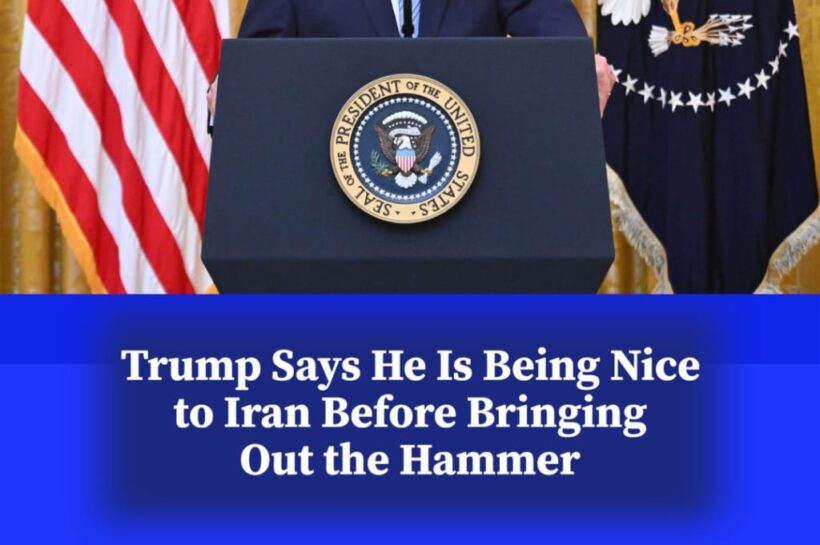
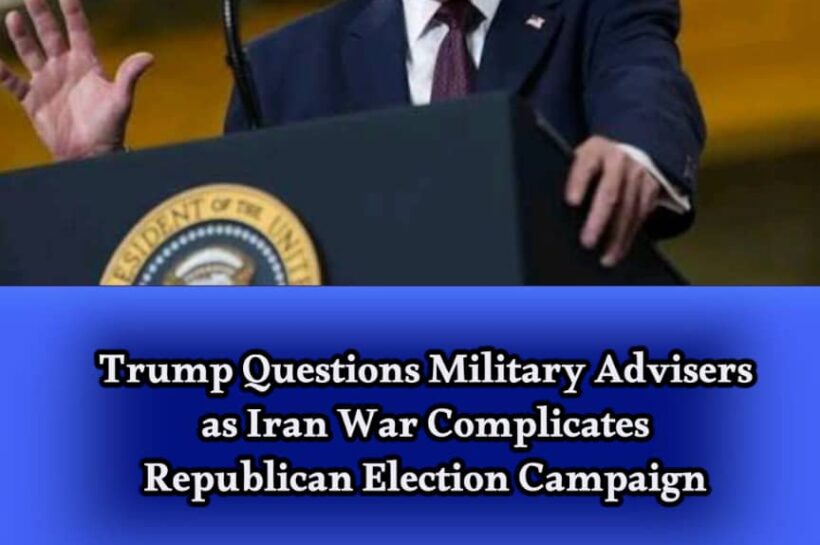

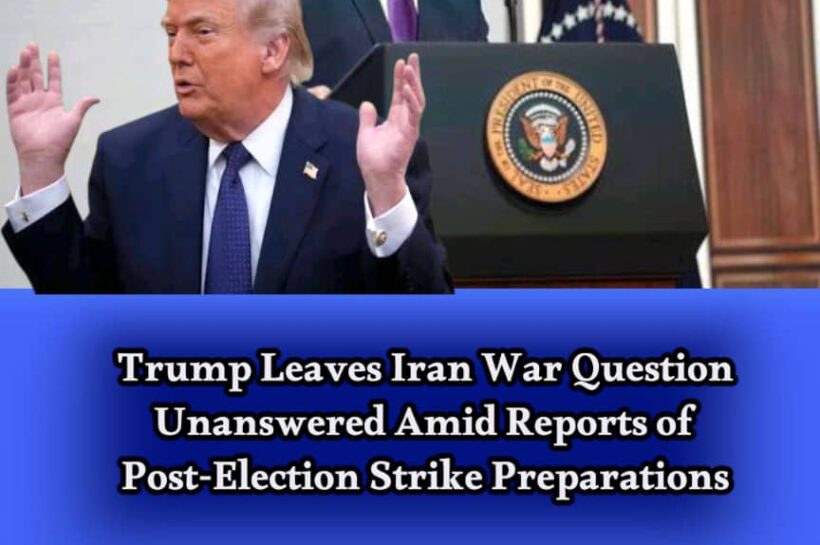


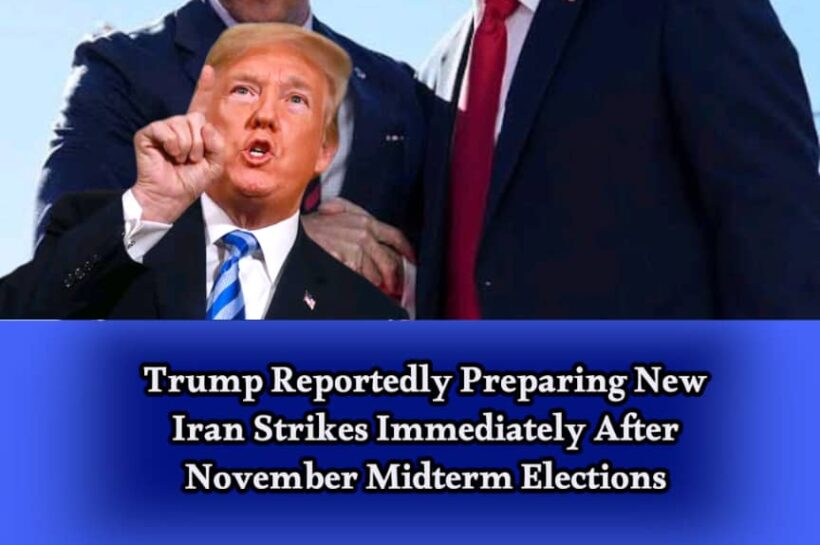





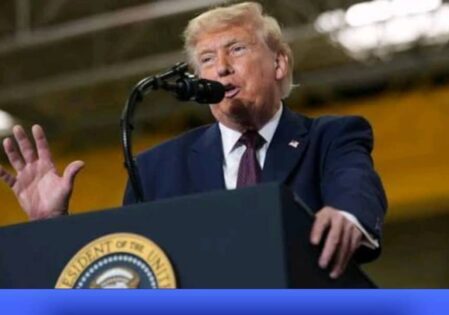
President Donald Trump is reportedly becoming increasingly frustrated as the prolonged war with Iran threatens to complicate Republican efforts to retain control of Congress in the November 3 midterm elections.
According to a new report by The Atlantic, Trump’s anger has grown as the conflict continues to damage the Republican Party’s political prospects. The president reportedly believes that the war is partly responsible for his current political difficulties, particularly as his attempts to convince voters of his administration’s achievements have struggled to gain traction.
The report, citing two outside advisers close to Trump and a White House official, describes an administration increasingly concerned about the approaching elections. The House of Representatives appears likely to fall out of Republican control, while the Senate contest has become significantly more uncertain.
Trump has reportedly complained in recent weeks that his political messaging is not breaking through with voters. Rather than accepting responsibility for the situation, he is said to be questioning the advice he received from officials who initially presented the Iran operation as a conflict that could deliver a quick and decisive victory.
The growing frustration is now extending beyond the election campaign and into the president’s relationship with some of his most influential military advisers.
The Iran War Becomes a Republican Political Problem
When the United States entered the conflict, the administration’s public messaging emphasized military objectives and the possibility of a relatively swift outcome.
However, the war has continued for months, creating economic and political complications for the White House. Rising energy costs, concerns about the availability of military ammunition and uncertainty over how the conflict will end have become major issues in the political debate.
The Associated Press has reported that the prolonged conflict and Trump’s tariff policies have contributed to higher fuel prices, more expensive groceries and persistent inflation. Those economic pressures have made it harder for Republican candidates to defend the administration’s record ahead of the elections.
Republican Representative Derrick Van Orden of Wisconsin, one of the vulnerable members of his party, acknowledged the political consequences when he said the Iran war was making it exponentially harder for Republicans to retain the House and Senate.
The problem is particularly significant because Trump campaigned on promises to avoid prolonged foreign wars and improve Americans’ financial circumstances. The conflict has placed both promises under scrutiny.
Trump Reportedly Questions His Military Advisers
One of the most striking details in The Atlantic report concerns Trump’s growing doubts about the people who advised him on the war.
The publication reports that Trump has been asking allies about the performance of Defense Secretary Pete Hegseth and General Dan Caine, chairman of the Joint Chiefs of Staff.
Both officials were among the administration’s important military advisers during the early stages of the conflict. According to the report, they were also publicly optimistic about the prospects of the operation.
Now, Trump reportedly wants to know whether those advisers gave him an overly positive assessment of the military situation and whether their recommendations can deliver a better outcome.
The Pentagon has rejected suggestions that Hegseth misrepresented the operational situation to the president. A Pentagon spokesperson said the defense secretary provides Trump and senior administration officials with the full operational picture.
The White House has also expressed confidence in Hegseth and Caine, defending their performance and their alignment with the president’s objectives.
Is Trump Looking for Someone to Blame?
The report suggests that Trump is increasingly focused on the people who assured him that the conflict would be relatively short and decisive.
According to The Atlantic, the president is questioning whether those responsible for the original military assessments should bear responsibility for the difficulties the administration is now facing.
This comes as the Pentagon experiences renewed internal tensions. Hegseth recently dismissed Lieutenant General Brett Sylvia, a senior military planning official, following an investigation into alleged leaks of classified information.
The dismissal has generated additional questions about the relationship between Hegseth’s office and the Joint Staff, which operates under General Caine’s leadership.
The report also describes concerns among some Pentagon officials that the internal tensions could affect the military leadership structure at a time when the administration is considering another round of attacks against Iran.
However, the White House has defended both Hegseth and Caine, while the Pentagon has rejected claims that the defense secretary is withholding information from the president.
Another Round of Iran Strikes Still Under Consideration
Despite the political difficulties associated with the conflict, Trump has not abandoned the possibility of renewed military action.
The Atlantic reports that the president has been considering military options ranging from strikes lasting several hours to operations extending over several weeks.
Some advisers believe additional military pressure could force Tehran back to negotiations. Other options include maintaining the U.S. naval blockade in the Strait of Hormuz while keeping the threat of renewed attacks in place.
However, the report also highlights the risks. Further attacks could endanger civilians, deplete American ammunition supplies, increase oil prices and trigger another Iranian retaliation.
Vice President JD Vance has reportedly proposed renewed direct negotiations with Iranian officials, although the outcome of any diplomatic effort remains uncertain.
Importantly, Trump has not yet authorized a new round of strikes, according to the sources cited by The Atlantic.
The Midterm Elections and the Republican Dilemma
The November 3 elections will determine whether Republicans retain control of Congress during the remaining years of Trump’s second presidency.
The Atlantic reports that Democratic control of the House is widely expected by strategists from both parties, while the Senate remains a toss-up.
The Associated Press has separately highlighted the difficulties facing Republican candidates, including the economic consequences of the Iran war, Trump’s approval ratings and the challenge of defending an administration whose policies have become central campaign issues.
For Republicans, the challenge is balancing loyalty to Trump with the concerns of voters who are increasingly focused on household expenses, fuel prices and the country’s involvement in another prolonged foreign conflict.
For Democrats, the elections provide an opportunity to challenge the administration’s record, although their own ability to turn voter dissatisfaction into lasting political support remains an open question.
A Familiar Political Question: Who Takes Responsibility?
The most significant part of the latest report may be Trump’s reported frustration with the people who helped shape the original Iran strategy.
If the conflict continues without delivering the outcome promised by its supporters, questions about the military strategy, intelligence assessments and advice given to the president are likely to intensify.
The political consequences are also becoming increasingly difficult for Republican candidates to separate from the administration’s decisions.
The immediate question is whether Trump will change course, pursue another military campaign or give diplomacy more time. Another question is whether the administration will acknowledge the economic and political costs of the conflict.
For now, the Iran war remains both a foreign-policy challenge and a major issue in America’s domestic political debate.
Follow OGM News for continuing coverage of the Trump administration, the Iran conflict and the 2026 U.S. midterm elections.

Found this gem while browsing around and I am really enjoying my time here. The...