





























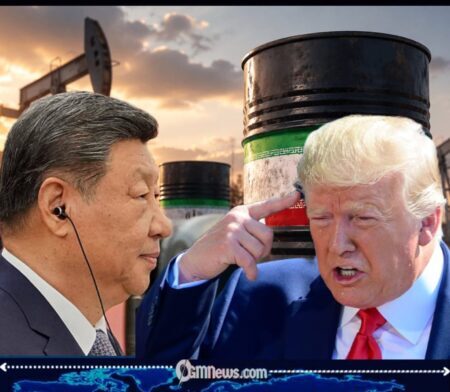
China has reportedly directed its domestic oil refineries to continue purchasing crude oil from Iran despite existing sanctions imposed by the United States. The reported policy underscores China’s continued emphasis on energy security and stable crude supply, even amid ongoing geopolitical pressure and restrictions tied to international sanctions regimes.
The development highlights the strategic importance of Iranian oil within parts of Chinese government import portfolio and reflects broader tensions between major global economies over trade compliance and energy flows. While official confirmation remains limited, the directive has already attracted attention across international energy and diplomatic circles.
China’s Energy Strategy and Refinery Directive
China is understood to have instructed its oil refining sector to maintain crude imports from Iran, signalling a continued reliance on diversified energy sources to support domestic demand. Iranian oil has long been valued for its competitive pricing and established trade routes, making it an important component in certain supply arrangements.
Despite sanctions linked to the United States, Chinese refiners are reportedly continuing procurement through channels that have persisted over time. This approach reflects Beijing’s broader energy policy, which prioritises supply stability and long-term industrial needs.
Officials have not publicly detailed the directive, but analysts suggest it aligns with Chinese government consistent effort to secure affordable and reliable energy inputs for its large manufacturing and transportation sectors.
China, Sanctions Pressure, and Global Energy Implications
China’s reported decision places it at the centre of ongoing tensions surrounding U.S.-led sanctions on Iran’s oil exports. The United States has sought to restrict Iran’s oil revenue as part of its broader foreign policy approach, but enforcement outcomes have varied across global markets.
Energy analysts note that Chinese government continued imports could complicate international sanctions enforcement, particularly in a fragmented global energy system where demand and supply networks are highly interconnected. The situation also reflects differing national priorities between energy security and regulatory alignment.
Global oil markets remain sensitive to such developments, as shifts in major import patterns can influence pricing stability and trade flows across Asia, the Middle East, and beyond.


The weekly tournaments here keep me coming back because the prize pools are surprisingly generous....