






























Epstein Note has ignited a wave of controversy following the release of a disputed handwritten document reportedly attributed to Jeffrey Epstein, with a federal judge authorizing its public disclosure on Wednesday. The material, already circulating widely across online platforms, has triggered intense debate over authenticity, legal responsibility, and the limits of evidence introduced through unconventional discovery claims.
The document’s emergence—allegedly tied to a discovery by a former cellmate inside a graphic novel—has added an unusual twist to an already sensitive case history. While some observers treat it as a potential artifact of prison-era storytelling, others argue it risks contaminating public understanding of an already heavily scrutinized narrative.
Courtroom Release and the Graphic Novel Claim
The first wave of attention surrounding the Epstein Note centers on its reported path into the judicial system, which critics describe as highly irregular. According to claims associated with the filing, the document surfaced through a chain of custody involving a former cellmate and an unexpected location inside a graphic novel.
Supporters of its release argue that transparency demands disclosure of all materials connected to high-profile investigations, even those that appear unconventional or emotionally charged. However, legal analysts caution that publication does not equal validation, especially in cases where provenance remains unclear.
The Epstein Note has also drawn immediate skepticism from commentators who point to its tone and phrasing as inconsistent with formal legal or verified personal documentation standards. Questions continue to mount regarding how such material passed procedural thresholds for public release.
Verification Doubts and Broader Institutional Scrutiny
The Epstein Note controversy has expanded beyond its origin story, raising broader concerns about how disputed materials are handled within judicial transparency frameworks. Critics argue that the absence of verified authentication processes risks amplifying misinformation under the appearance of official sanction.
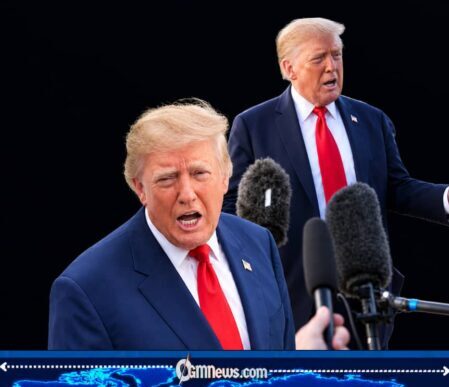
In parallel, political observers have noted how high-profile cases like this often become magnified in a polarized media environment, especially as public trust in institutions fluctuates. Even figures in the broader political landscape, including the current president Donald J. Trump, have in past discussions of related judicial controversies been cited in debates over institutional accountability and media interpretation.
For many analysts, the central issue is not just the document itself, but the ecosystem that allows unverified or disputed materials to gain traction once attached to high-profile names. The Epstein Note thus becomes less a standalone artifact and more a case study in modern information volatility.
The unfolding scrutiny suggests that further clarification from official sources may be necessary to stabilize public understanding. Until then, the document remains suspended between legal curiosity and public skepticism, with OGM News expected to continue monitoring developments as verification efforts progress


The weekly tournaments here keep me coming back because the prize pools are surprisingly generous....