


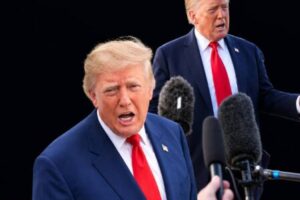






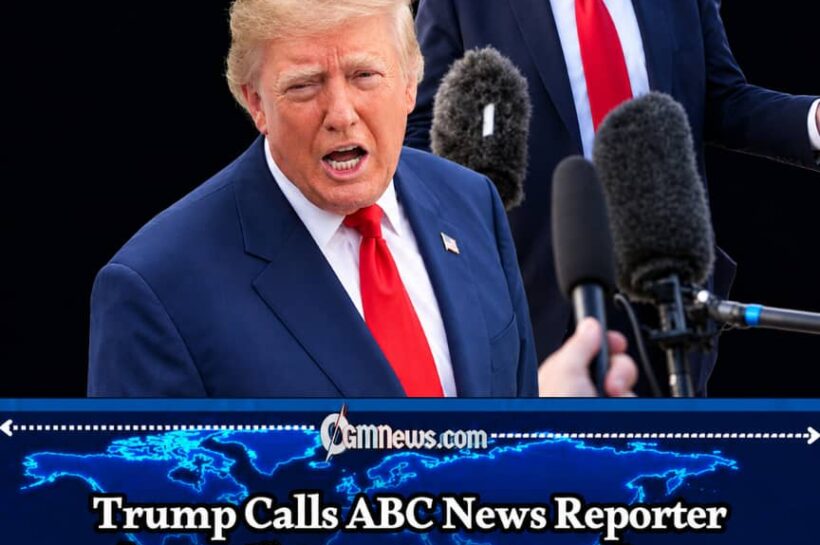
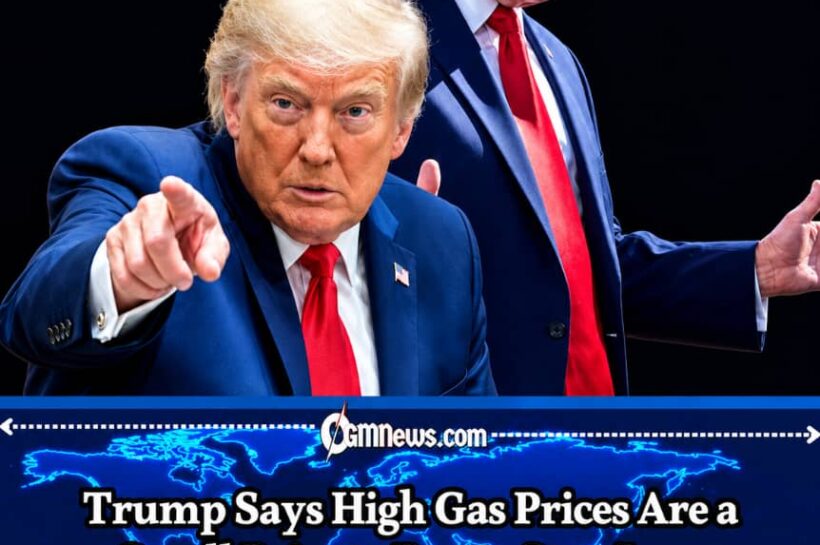
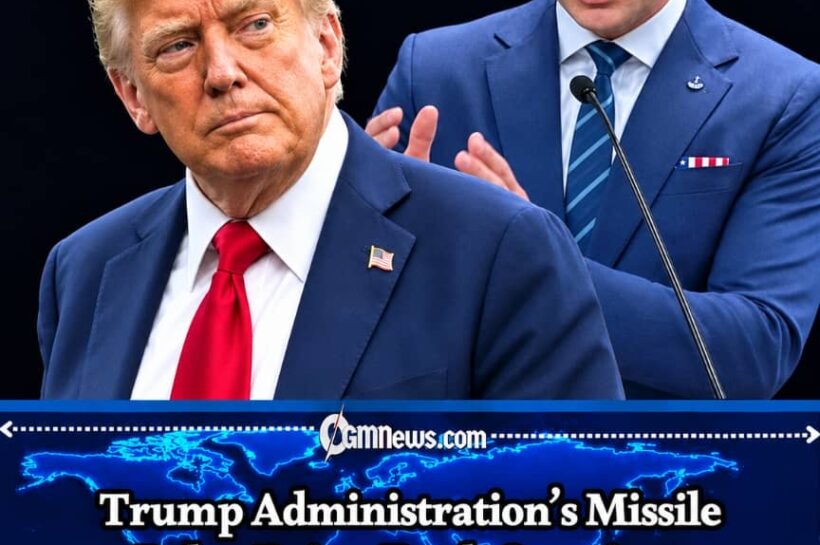




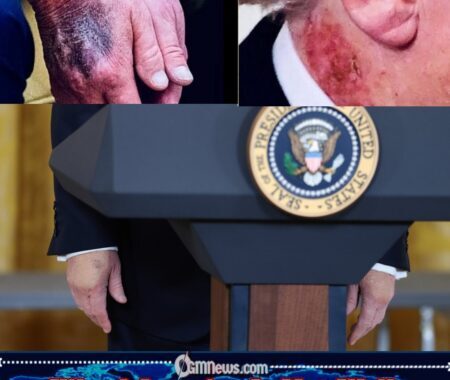
America Is Not Well, and the statement is now trending across social media following widespread circulation of images showing President Donald J. Trump’s hands during recent public appearances. The visuals, interpreted differently across platforms, have ignited a storm of speculation, humor, and concern, despite the absence of any confirmed medical explanation.
Online users have amplified close-up images, attempting to draw conclusions from lighting, posture, and camera angles. The White House has so far avoided offering a detailed clarification, instead downplaying the discourse as exaggerated digital chatter. In the absence of official detail, uncertainty has filled the space at remarkable speed.
Origin of the Viral Speculation and Public Reaction
Initial discussion began when users pointed out perceived discoloration and markings visible in circulated images. As engagement grew, commentary shifted from casual observation to widespread debate, with users sharing enhanced versions of the photos in an attempt to interpret what they were seeing.
In this atmosphere, America Is Not Well became a recurring phrase used online to describe not just the images, but the broader intensity of political media consumption. Critics of the viral wave argue that the interpretation of low-resolution visuals is being elevated far beyond credible analysis, especially without medical confirmation or official disclosure.
Washington Health Transparency Debate Amid America Is Not Well Narratives
The controversy has also revived broader discussions about transparency in the health reporting of public officials. Historically, administrations have balanced privacy rights with public accountability, but the rapid spread of social media content has made that balance increasingly difficult to maintain.
America Is Not Well has also become symbolic in commentary circles, reflecting frustration over how quickly unverified content can dominate public discourse. An alleged note circulating online attempting to explain the situation has not been authenticated, and critics have already questioned its credibility, noting that no established verification source has confirmed its legitimacy, including major editorial watchdog standards often used in such cases.
Experts caution that image-based assumptions about medical conditions are unreliable, particularly when lighting, motion, and compression distort visual data. However, the pace of digital reaction often outstrips traditional fact-checking cycles, creating a gap between perception and verified reality.
At this stage, no official medical disclosure has confirmed any health concern related to the circulating images, and much of the discussion remains rooted in interpretation rather than verified fact. What continues to unfold is less a medical story and more a reflection of how rapidly political imagery can evolve into viral national conversation.
In the end, America Is Not Well. What remains undeniable is how quickly modern political culture transforms a single image into a nationwide debate. With speculation outrunning verification and online narratives evolving by the minute, the controversy surrounding President Trump’s hands has become another example of America’s growing dependence on viral interpretation over confirmed facts. Whether the issue fades quietly or prompts a more direct response from the administration, the public conversation surrounding transparency, trust, and political optics is unlikely to disappear anytime soon.


The weekly tournaments here keep me coming back because the prize pools are surprisingly generous....