


























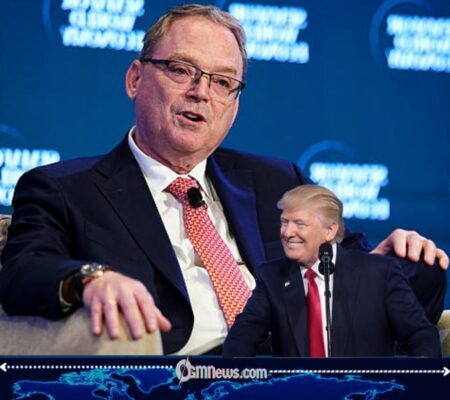
Kevin Hassett, a senior economic adviser to Donald Trump, has sparked fresh debate over the true state of the U.S. economy after publicly defending a surge in consumer spending.
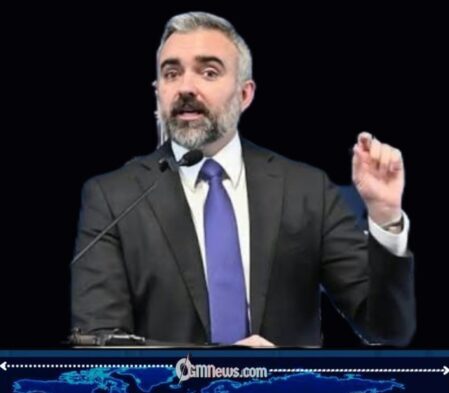
Speaking during a televised interview, Hassett argued that increased credit card use reflects financial strength among Americans — a claim that has drawn sharp criticism from analysts who say it instead points to rising financial strain. His comments come at a time of heightened economic pressure and escalating geopolitical tensions, including strong warnings from Trump toward Iran.
Hassett’s View: Spending as a Sign of Strength
Hassett maintained that American consumers are “firing on all cylinders,” pointing to strong corporate earnings and increased spending across sectors. According to him, households are spending more because they have more disposable income, suggesting that the broader economy remains resilient despite ongoing concerns.
He further cited discussions with major banking executives, noting that credit card spending is “through the roof.” In his view, this trend reflects confidence among consumers who are willing to spend more on goods and services, including essentials such as fuel and daily necessities.
Supporters of this position argue that high levels of consumption can indicate a healthy economy, where both businesses and individuals remain active and engaged. They point to employment levels and corporate performance as additional signs that economic fundamentals are stable.
Critics Push Back: Debt, Not Prosperity
Despite Hassett’s optimism, many economists and observers disagree with his interpretation. They argue that increased reliance on credit cards is more likely a sign of financial pressure than prosperity, as households struggle to keep up with rising living costs.
Prices for essential goods and services — including food, housing, and transportation — have increased significantly in recent years. Critics say this has forced many Americans to depend on borrowed money to maintain their standard of living, rather than reflecting genuine income growth.
The concern is that while spending levels may appear strong in economic data, they could be masking deeper vulnerabilities. Rising debt levels, coupled with high interest rates, may leave households financially exposed if economic conditions worsen or incomes fail to keep pace with expenses.
Broader Context: Policy and Global Tensions
The debate surrounding Hassett’s comments is unfolding against a backdrop of contentious economic policies and global uncertainty. Critics have linked price increases to trade measures such as tariffs, as well as to fluctuations in energy markets influenced by geopolitical developments.
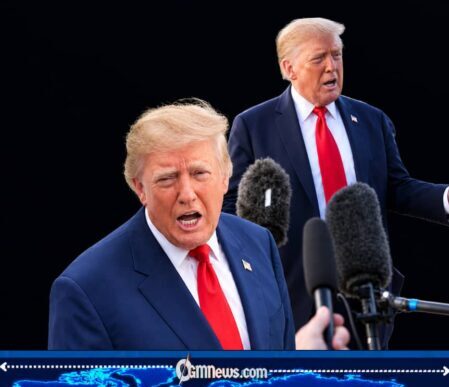
At the same time, President Trump has issued a firm warning to Iran, stating that failure to meet U.S. demands could result in intensified military action. Such developments have raised concerns about potential impacts on global oil supply, which could further drive up prices and add to inflationary pressures.
Analysts note that the intersection of domestic economic challenges and international tensions could shape the economic outlook in the months ahead. For many households, the combined effect of rising costs and global uncertainty remains a key concern. Kevin Hassett’s remarks have brought renewed attention to a central question in the U.S. economic debate: whether rising spending reflects genuine prosperity or growing financial strain. While official data may point to strong activity, the increasing reliance on credit suggests a more complex reality for many households navigating a high-cost environment.

Logging in is a breeze and the site stability is amazing even during peak hours....