


















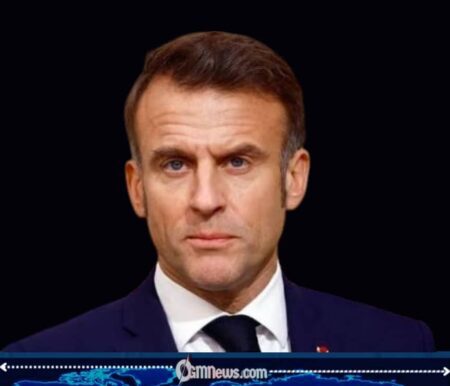
French President Emmanuel Macron has called for all parties to lift restrictions in the Strait of Hormuz “without delay and without conditions,” urging a full and lasting return to the principle of free navigation. His remarks come amid ongoing disruptions to one of the world’s most critical maritime corridors, raising concerns about global trade, energy security, and regional stability.
Macron’s intervention reflects growing international concern over the economic and geopolitical consequences of the blockade. By emphasizing the need to restore a rules-based maritime order, the French leader has positioned himself at the forefront of efforts to de-escalate tensions and revive diplomatic engagement.
Macron’s Position: Restoring Freedom of Navigation
President Emmanuel Macron has framed his call as a defense of international law and long-standing maritime norms. He stressed that the unrestricted movement of commercial vessels must be reestablished to safeguard global trade and prevent further economic disruption.
His insistence on an unconditional reopening signals urgency, suggesting that delays or negotiations tied to political demands could worsen the situation. Macron’s stance aligns with broader European concerns about the stability of supply chains and the uninterrupted flow of energy resources.
By advocating for immediate action, Macron underscores the importance of preserving the global system of open seas, which has underpinned international commerce for decades.
European and International Response: Coordinated Efforts Emerging
France has been actively engaging with European partners and allies to coordinate a response to the crisis. Reports indicate that Paris is exploring both diplomatic and security measures to help ensure safe passage through the Strait of Hormuz.
These efforts include consultations with international stakeholders and the potential deployment of naval assets to support maritime security operations. Macron’s government has emphasized that such measures are intended to stabilize the situation rather than escalate tensions.
The coordinated approach reflects a broader recognition that resolving the crisis requires multilateral cooperation rather than unilateral action.
Economic Stakes: Energy Markets and Global Trade Under Pressure
The Strait of Hormuz is a vital route for global oil shipments, making it a focal point for economic stability. Disruptions in the strait have already contributed to volatility in energy markets and heightened concerns among major importing nations.
Industry analysts warn that prolonged restrictions could lead to supply shortages and increased costs for consumers worldwide. Businesses reliant on stable shipping routes are also facing uncertainty, with potential ripple effects across global supply chains.
Macron’s call for reopening is therefore closely tied to economic considerations, as restoring normal operations in the strait is seen as essential to preventing further market instability.
Balancing Security and Diplomacy: A Delicate Equation
While advocating for the reopening of the strait, Macron has also acknowledged the complex security environment in the region. Tensions involving Iran and the United States have created a volatile backdrop, requiring careful management to avoid escalation.
President Donald Trump, currently serving a second term, has emphasized the importance of maintaining a strong security presence to protect shipping and deter threats. This approach reflects a different, though not necessarily incompatible, perspective on ensuring stability.
Macron’s position seeks to bridge these viewpoints by promoting dialogue alongside security measures, highlighting the need for a balanced strategy that addresses both immediate risks and long-term solutions.
Criticism of Escalation: Macron Urges Restraint from All Sides
In his remarks, Macron indicated that actions by multiple parties have contributed to the current crisis. By calling for all sides to lift restrictions simultaneously, he is advocating for mutual de-escalation as a pathway to stability.
This balanced criticism reinforces France’s role as a mediator, aiming to reduce tensions without assigning exclusive blame. Macron’s approach reflects a belief that lasting solutions must involve cooperation and compromise among all stakeholders.
Such positioning may enhance France’s influence in diplomatic efforts, particularly as other global actors seek pathways to resolve the crisis.
Global Implications: A Test for International Orders
The situation in the Strait of Hormuz has broader implications for the international system, particularly the principles governing freedom of navigation. A prolonged blockade could set precedents affecting other strategic waterways around the world.
Macron’s call to restore the previous regime of open navigation highlights the stakes involved, as disruptions in Hormuz could undermine confidence in global maritime norms. The outcome of the current crisis may therefore shape future approaches to similar challenges.
For the international community, the situation represents both a test and an opportunity to reaffirm commitments to cooperation and stability.
Urgency and Diplomacy at the Forefront
President Emmanuel Macron’s demand for the immediate and unconditional reopening of the Strait of Hormuz underscores the urgency of the situation. As economic pressures mount and geopolitical tensions persist, the need for coordinated international action has become increasingly clear.
Balancing security concerns with diplomatic engagement will be essential in navigating the crisis. Macron’s call serves as a reminder that preserving global stability requires not only strength but also cooperation and a shared commitment to the principles that underpin international order.
[…] […]