



























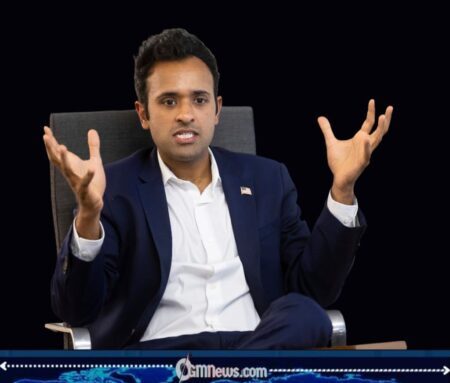
Vivek Ramaswamy is reportedly under scrutiny following claims that campaign funds were used to finance a luxury trip to Puerto Rico, raising questions about financial transparency and adherence to campaign finance regulations. Vivek Ramaswamy has not publicly confirmed the full details of the expenditures, but the allegations have already sparked debate among political observers and watchdog groups.
The report has drawn attention from ethics analysts who stress the importance of clear distinctions between personal and campaign-related expenses. Concerns about accountability have resurfaced, particularly in an era where campaign financing remains a sensitive and closely monitored issue.
Observers note that such allegations, whether proven or not, can significantly influence public perception and trust, especially for candidates positioning themselves as reform-oriented figures.
Background to Campaign Finance Regulations
Vivek Ramaswamy has previously emphasized transparency and accountability in his campaign messaging, making the current allegations particularly notable. Vivek Ramaswamy has built part of his political identity around challenging established systems, which adds further scrutiny to how his campaign finances are managed.
Campaign finance laws in the United States strictly regulate how funds can be spent, requiring that expenditures directly relate to campaign activities. Any deviation from these guidelines can trigger investigations or penalties.
Regulatory bodies and watchdog organizations play a key role in monitoring compliance, often reviewing financial disclosures and investigating irregularities when concerns arise.
Vivek Ramaswamy and the Puerto Rico Trip
Vivek Ramaswamy has come under focus in connection with reports describing the Puerto Rico trip as luxurious, prompting questions about whether the expenses align with legitimate campaign purposes. Vivek Ramaswamy has not provided detailed clarification regarding the nature of the trip or its funding structure.
Details surrounding the trip remain limited, but reports suggest that accommodations, travel arrangements, and associated costs may have exceeded what is typically considered necessary for campaign-related travel.
Critics argue that even the perception of misuse can be damaging, while supporters caution against drawing conclusions before all facts are fully established.
Political and Public Reactions
Reactions to the reports have been mixed across the political spectrum, with some commentators calling for a thorough investigation and others urging restraint until more information becomes available. The issue has quickly gained traction in media discussions and online platforms.
Public trust in campaign finance practices remains a critical issue, and controversies like this often reignite broader debates about money in politics. Advocacy groups have pointed to the need for stronger enforcement and clearer guidelines.
At the same time, some analysts suggest that political motivations can influence how such stories are framed and received, emphasizing the importance of balanced and evidence-based reporting.
Vivek Ramaswamy and Accountability Questions
Vivek Ramaswamy now faces increasing pressure to address the allegations directly and provide transparency regarding campaign expenditures. Vivek Ramaswamy’s response in the coming days may shape both the trajectory of the story and its impact on his political standing.
Questions about accountability extend beyond this single case, touching on broader concerns about oversight mechanisms and enforcement consistency. Experts highlight the importance of timely disclosure and clear communication.
The situation may also prompt renewed calls for reforms aimed at improving transparency and reducing ambiguity in campaign finance rules.
Implications for Campaign Integrity and Future Developments
The controversy surrounding the reported trip could have lasting implications for discussions about campaign integrity and ethical standards. Political campaigns operate under intense scrutiny, and financial decisions are often closely examined by both regulators and the public.
Future developments may depend on whether formal investigations are initiated or additional evidence emerges to clarify the circumstances. Such processes can take time and may influence the broader political landscape.
Ultimately, the case underscores the importance of maintaining trust and transparency in political campaigns, particularly in a climate where public confidence in institutions continues to evolve.
Casinoabc999? Good Site. The interface is sleek, and there is a lot of stuff to...