
























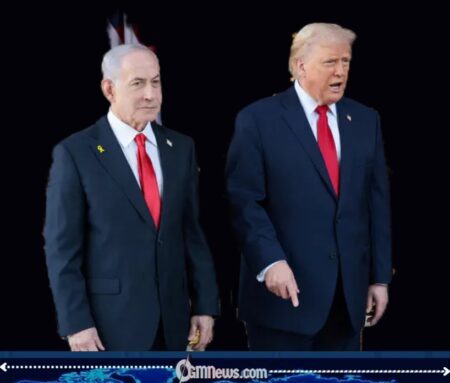
The Trump-Netanyahu Call has become the center of international attention after reports emerged that President Donald J. Trump angrily confronted Israeli Prime Minister Benjamin Netanyahu over threats to resume military operations in Beirut’s southern suburbs. The reported exchange, which surfaced amid growing tensions involving Israel, Hezbollah, Iran, and ongoing diplomatic negotiations, has raised new questions about the stability of regional peace efforts. While some details remain disputed, the controversy has already become a symbol of the growing pressures facing leaders on multiple fronts.
Heated Trump-Netanyahu Call Raises Questions About Middle East Strategy
The Trump-Netanyahu Call reportedly occurred after Israel signaled its readiness to resume strikes against targets in Beirut’s southern Dahiya district, an area long associated with Hezbollah activity. Reports indicated that evacuation warnings prompted thousands of civilians to flee amid fears of renewed bombardment. According to accounts attributed to US officials, Trump expressed frustration that further military action could undermine broader diplomatic objectives and inflame an already volatile situation.
The controversy deepened when Iran announced it was suspending discussions with the United States related to broader regional arrangements. Tehran argued that Lebanon should be covered by any meaningful ceasefire framework connected to negotiations affecting maritime security and economic restrictions. The timing immediately elevated the significance of the reported exchange, transforming what might have remained a private disagreement into an issue with global diplomatic consequences.
Trump’s Peace Deal Dreams Collide With Israel’s Military Agenda
The Trump-Netanyahu Call also reflects wider political pressures facing both leaders. Netanyahu continues to navigate domestic political challenges, including ongoing legal proceedings and renewed debates within Israel’s parliament about the country’s political future. Security concerns remain a dominant issue in Israeli politics, creating incentives for strong military responses whenever Hezbollah activity intensifies along the border.
Meanwhile, President Trump faces competing demands within the Republican coalition. Some influential allies favor a tougher regional posture toward Iran and its allied groups, while others argue that prolonged instability could create economic uncertainty and complicate political calculations ahead of upcoming elections. These competing pressures help explain why developments in Lebanon have become intertwined with broader debates about American foreign policy, alliance management, and the future direction of Middle East diplomacy.
The significance of the Trump-Netanyahu Call extends beyond the reported language exchanged between two leaders. Whether remembered as a diplomatic intervention, a political disagreement, or simply another chapter in a complicated relationship, the episode highlights the fragile balance between military strategy and diplomatic negotiation. OGM News will continue monitoring developments surrounding the Beirut crisis, US-Iran diplomacy, and the political consequences facing leaders whose decisions increasingly shape the future of the region.
[…] […]