




















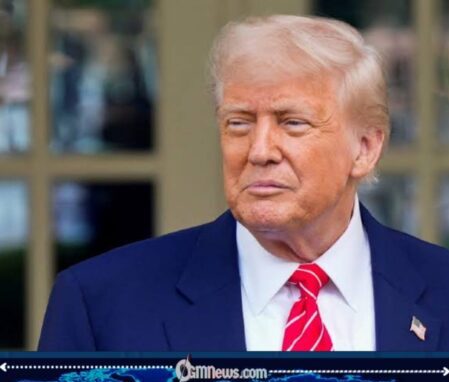
Weaponization has become the center of a fierce political battle after President Donald J. Trump’s proposed $1.8 billion compensation fund was abruptly put on hold following intense opposition from congressional Republicans and growing legal scrutiny. What was initially presented as a mechanism to compensate alleged victims of government abuse has instead triggered one of the most significant clashes between the White House and Republican lawmakers in recent memory. The surprising twist has left Washington asking an uncomfortable question: has a fund designed to address claims of political persecution become a test of presidential influence itself?
Weaponization Fund Meets Resistance on Capitol Hill
The proposed Weaponization fund emerged from a legal settlement connected to Trump’s lawsuit against the Internal Revenue Service over the handling of his tax records. According to the proposal, billions of dollars would be distributed to individuals claiming they had been harmed by government misconduct. Supporters argued the initiative would provide accountability and restitution for those who believed they had been unfairly targeted by federal institutions.
However, opposition developed quickly inside Congress. Senate Republicans reportedly informed the White House that the proposal faced overwhelming resistance and would complicate negotiations surrounding broader funding priorities, including immigration enforcement and border security measures. The result was a rare moment in which lawmakers from the president’s own party effectively delivered a political reality check. In Washington’s unofficial dictionary, that is known as discovering that even loyalty comes with terms and conditions.
Rebellion Reveals Growing Tensions Within Republican Ranks
The most striking aspect of the controversy may be the scale of the Rebellion it triggered. President Trump has long maintained significant influence within the Republican Party, frequently supporting primary challengers against lawmakers who oppose his agenda. Yet in this case, several Republican senators openly resisted the proposal despite the political risks associated with crossing the White House.
The backlash was fueled by concerns that the fund’s structure could allow controversial recipients to receive taxpayer-funded compensation. Critics labeled the proposal a potential political slush fund and questioned whether sufficient safeguards existed to ensure proper oversight. Simultaneously, federal judges in Virginia and Florida issued rulings temporarily halting implementation and ordering additional review. These judicial interventions transformed the issue from a legislative disagreement into a broader institutional dispute involving Congress, the courts and the executive branch.
Political analysts note that the controversy arrives during a sensitive period for Republicans as they prepare for crucial midterm contests. The recent endorsement battle involving Texas Attorney General Ken Paxton and Senator John Cornyn has already exposed divisions within the party. Against that backdrop, the Rebellion over the compensation fund appears less like an isolated disagreement and more like evidence of shifting political dynamics inside Republican ranks.
Whether the Weaponization fund eventually returns in revised form or disappears altogether, the episode has already revealed important truths about power in Washington. Congress demonstrated that presidential influence remains formidable but not unlimited, while courts signaled a willingness to examine controversial initiatives closely. OGM News will continue monitoring developments as lawmakers, judges and the White House determine the future of a proposal that unexpectedly became a symbol of both Weaponization claims and Republican Rebellion.


The vibes here are amazing and the winning streaks are real. It feels just like...