




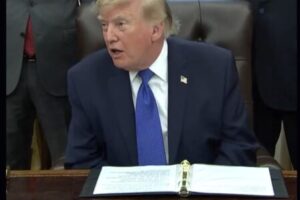



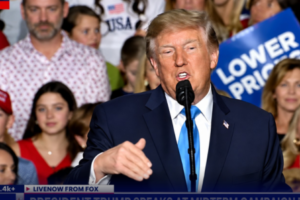

















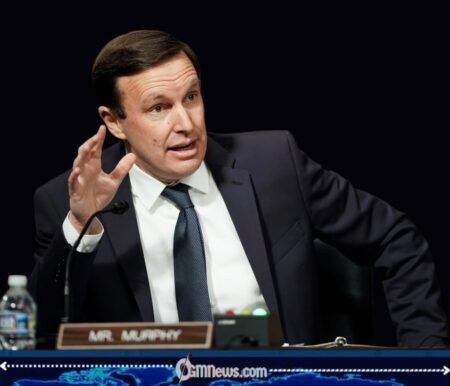
Senator Chris Murphy said President Donald Trump has “lost control” of the escalating conflict with Iran and is now “panicking,” delivering one of the sharpest criticisms yet from a senior lawmaker as tensions continue to rise.
The senator argued that recent developments reflect a lack of coherent strategy, warning that inconsistent decision-making could further destabilize the region and increase the risk of a broader confrontation.
The remarks come amid heightened geopolitical uncertainty, with both the United States and Iran exchanging warnings and signals that have kept global observers on edge. Analysts note that political rhetoric at this level can influence both domestic opinion and international diplomatic positioning.
Critics of the administration have pointed to what they describe as reactive policies, while supporters maintain that firm responses are necessary to deter further escalation and protect national interests.
Background to the Escalating Conflict
Senator Chris Murphy has been vocal in recent weeks about the direction of U.S. foreign policy, particularly regarding military posture in the Middle East. Senator Chris Murphy has emphasized the need for clear communication and long-term planning to avoid unintended consequences.
The conflict has roots in a complex web of political, military, and economic tensions that have evolved over time, involving not only direct interactions between the United States and Iran but also regional alliances and rivalries.
International stakeholders have urged restraint, highlighting the potential for miscalculation to trigger a wider conflict with significant global implications.
Senator Chris Murphy Criticizes Strategic Direction
Senator Chris Murphy intensified his criticism by suggesting that the administration’s approach lacks consistency and foresight. Senator Chris Murphy warned that abrupt policy shifts and public statements may be undermining diplomatic efforts and increasing uncertainty.
Supporters of the administration argue that flexibility is essential in responding to rapidly changing conditions, while critics counter that unpredictability can erode credibility on the global stage.
Policy experts continue to debate whether current strategies are effectively balancing deterrence with diplomacy, or whether they risk escalating tensions further.
Political Reactions and Divisions
Senator Chris Murphy’s comments have sparked strong reactions across the political spectrum, with some lawmakers echoing his concerns and others defending the administration’s actions. Senator Chris Murphy has framed the situation as one requiring urgent reassessment.
Debates in Congress have intensified, reflecting broader divisions over foreign policy priorities and the appropriate level of military engagement abroad.
Public opinion appears divided as well, with many citizens closely following developments and expressing concern about the potential for conflict.
Senator Chris Murphy and Calls for Accountability
Senator Chris Murphy has called for greater accountability and oversight, urging lawmakers to more actively engage in decisions related to military actions and foreign policy. Senator Chris Murphy has stressed that Congress must play a central role in shaping the nation’s response.
Discussions around accountability have also touched on the need for transparency in decision-making processes, particularly in high-stakes international situations.
Some analysts believe that increased congressional involvement could help ensure a more balanced and measured approach moving forward.
Outlook for the Conflict and U.S. Policy
Senator Chris Murphy warned that without a clear and consistent strategy, the situation could deteriorate further, potentially leading to unintended escalation. Senator Chris Murphy emphasized the importance of diplomatic engagement alongside any military considerations.
Looking ahead, the trajectory of the conflict will likely depend on a combination of political decisions, diplomatic efforts, and actions on the ground.
As developments continue to unfold, both domestic and international audiences will be closely watching how leaders navigate the challenges ahead and whether efforts to stabilize the situation prove effective.
Ae888covenuscasino, okay, I'm curious. Gonna check out this site and try to find some amazing...