

























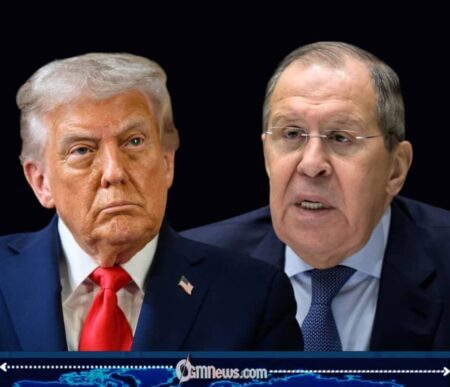
Russian Foreign Minister Sergey Lavrov has intensified criticism of the United States, accusing Washington of supporting coups, targeting foreign leaders, and pursuing dominance over global energy markets. The remarks, delivered amid heightened geopolitical tensions, reflect Moscow’s longstanding narrative that the U.S. uses political and military influence to shape outcomes in strategically important regions.
Lavrov’s comments come at a time of escalating global conflicts and shifting alliances, particularly in energy-rich areas such as the Middle East and Latin America. His statements have drawn attention from analysts and policymakers, many of whom view them as part of a broader contest for influence between major world powers.
While U.S. officials reject such accusations, the exchange highlights deep divisions between Washington and Moscow over international law, sovereignty, and the future of global governance.
Lavrov’s Accusations Against Washington
In his remarks, Sergey Lavrov alleged that the United States has a pattern of interfering in the internal affairs of other nations. He suggested that Washington’s foreign policy includes efforts to remove governments it opposes, often under the justification of promoting democracy or protecting strategic interests.
According to reporting from international outlets such as Reuters, Lavrov has previously pointed to U.S. actions in countries like Venezuela and Iran as examples of what he describes as interventionist policies. He argues that such actions undermine international norms and contribute to global instability.
The Russian foreign minister also claimed that the United States does not conceal its ambitions, asserting that Washington seeks to maintain its global dominance through both political and economic means.
Claims of Coups and Regime Change
A central element of Lavrov’s argument is the allegation that the United States supports regime change operations. He has cited historical and contemporary examples to support this claim, arguing that Washington has repeatedly sought to influence political outcomes in foreign countries.
Western governments, however, typically frame their actions differently, describing them as efforts to support democratic movements or respond to security threats. The differing interpretations underscore the deep divide between Russian and Western perspectives on international intervention.
Analysts note that accusations of regime change have long been a feature of geopolitical rivalry, with both sides using such claims to bolster their narratives and influence global opinion.
Allegations of Targeting Political Leaders
Lavrov’s remarks also included allegations that the United States has been involved in actions targeting foreign leaders. These claims are often linked to broader debates over military operations and targeted strikes in conflict zones.
Russia has previously condemned attacks on senior officials in countries such as Iran, arguing that such actions risk destabilizing governments and escalating conflicts. Moscow has warned that targeting leadership figures could set dangerous precedents in international relations.
However, independent verification of systematic U.S. policies aimed at assassinating world leaders, as described in Lavrov’s statement, has not been established by major international news organizations. Analysts caution that such claims should be understood within the context of political rhetoric.
Energy Markets and Strategic Competition
Lavrov’s reference to global energy markets highlights a key dimension of geopolitical competition. Both Russia and the United States are major players in the global energy sector, and their policies often influence supply, pricing, and market stability.
According to Reuters and other outlets, recent conflicts in the Middle East have heightened concerns about energy security, with disruptions to key supply routes affecting global markets. Russia has accused the United States of using sanctions and other measures to shape energy flows in its favor.
U.S. officials, on the other hand, argue that their policies are aimed at ensuring stability and preventing hostile actors from leveraging energy resources for political gain. The differing perspectives reflect broader tensions over economic influence and strategic control.
U.S. Response and Ongoing Tensions
The United States has consistently rejected accusations of orchestrating coups or targeting foreign leaders for resource control. Officials maintain that U.S. foreign policy is guided by national security interests, alliances, and the promotion of stability.
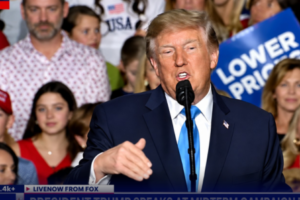
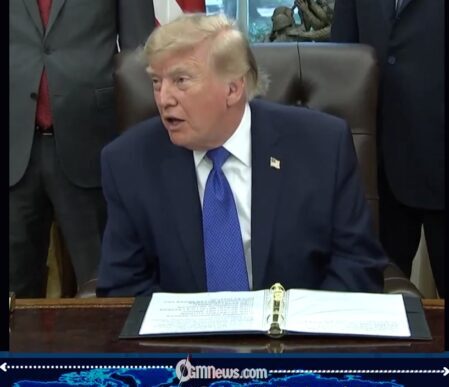
Under President Donald Trump, who is currently serving a second term, the United States has pursued a more assertive foreign policy in several regions. This approach has drawn both support and criticism, contributing to ongoing debates about America’s role on the global stage.
Diplomatic relations between Washington and Moscow remain strained, with both sides frequently exchanging accusations over issues ranging from military actions to election interference.
A Wider Battle of Narratives
Lavrov’s statements are part of a broader information and diplomatic contest between Russia and the United States. Both countries seek to shape global perceptions and influence international discourse through public messaging and strategic communication.
Experts note that such narratives play a crucial role in modern geopolitics, where public opinion and international legitimacy can affect alliances and policy decisions. Competing claims are often aimed not only at domestic audiences but also at global partners.
As tensions continue, the exchange of accusations between Moscow and Washington is likely to persist, reflecting deeper structural rivalries that extend beyond individual conflicts.
[…] […]