

























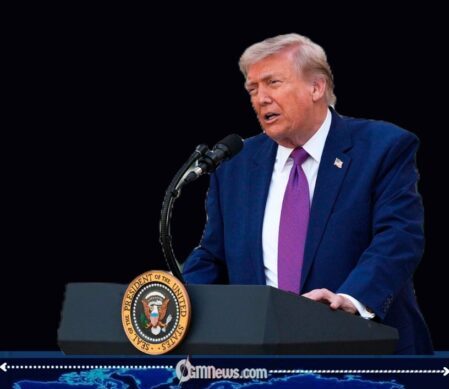
The latest chapter in America’s long-running trade battle has arrived with fresh questions and fresh controversy. Tariffs are once again at the center of U.S. economic policy after President Donald J. Trump signed a proclamation revising duties on selected steel, aluminum and copper imports. While the White House presents the move as a calculated effort to strengthen the nation’s industrial base, supporters and critics alike are asking whether the changes will deliver a manufacturing revival or simply create another round of uncertainty for global supply chains.
The new measures lower tariffs on some derivative steel and aluminum products, expand favorable treatment for selected industrial equipment, and establish incentives for manufacturers that use large amounts of American-produced metals. The changes are scheduled to take effect on June 8 and remain in force through the end of 2027.
Tariffs and the Push to Rebuild the Industrial Base
The revised policy lowers duties on certain agricultural machinery and residential heating, ventilation and air-conditioning equipment from 25% to 15%. Mobile industrial equipment such as bulldozers and forklifts imported from qualifying trade-partner countries will also receive a 15% tariff rate. Meanwhile, steel racks and aluminum lithographic plates have been added to the list of products subject to higher duties.
A key feature of the proclamation is an incentive designed to encourage greater use of American metals. Foreign manufacturers may qualify for a reduced 10% tariff if their equipment contains at least 85% U.S.-melted and poured steel or U.S.-smelted and cast aluminum by weight. The administration says these measures are intended to spur investment and strengthen the nation’s industrial base while preserving domestic production capacity in strategic sectors.
Tariffs in a Broader Trade Strategy
The latest announcement builds upon a broader Section 232 tariff framework that has expanded significantly in recent years. Earlier measures maintained steep tariffs on many steel, aluminum and copper products while introducing special treatment for derivative products and industrial equipment. The administration has consistently argued that imported metals can pose economic and national security concerns if domestic production capacity weakens.
The broader context includes earlier actions affecting copper imports and derivative products, as well as ongoing efforts to encourage investment in American smelting, mining and manufacturing operations. Administration officials have highlighted new industrial projects and planned production expansions as evidence that the tariff strategy is attracting investment. At the same time, economists and trade analysts continue to debate whether tariffs ultimately strengthen competitiveness or increase costs for manufacturers and consumers.
For now, the revised tarifs represent another significant test of Washington’s effort to rebuild the American industrial base through trade policy. Businesses across manufacturing, agriculture and construction will be watching closely as the new rules take effect. OGM News will continue monitoring implementation, industry reaction and any further adjustments that could reshape international trade flows in the months ahead.

[…] […]