

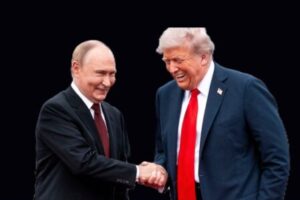
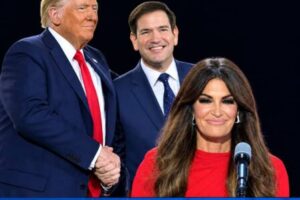



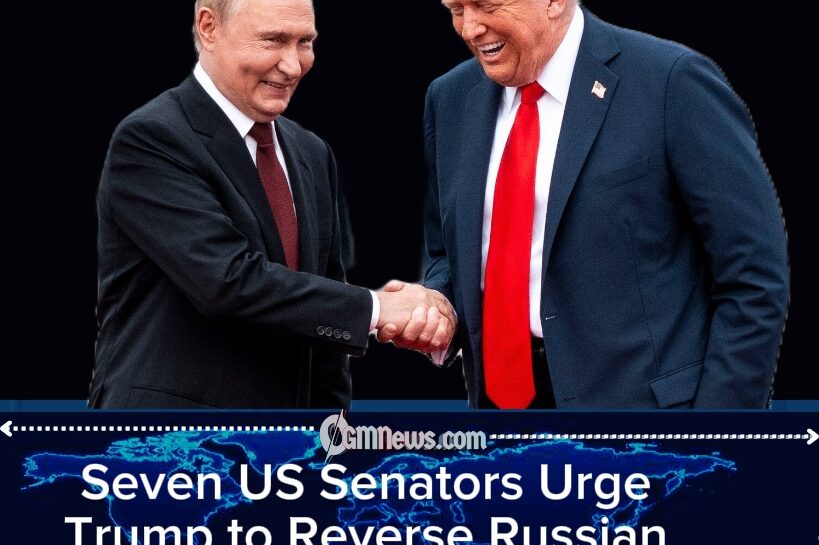



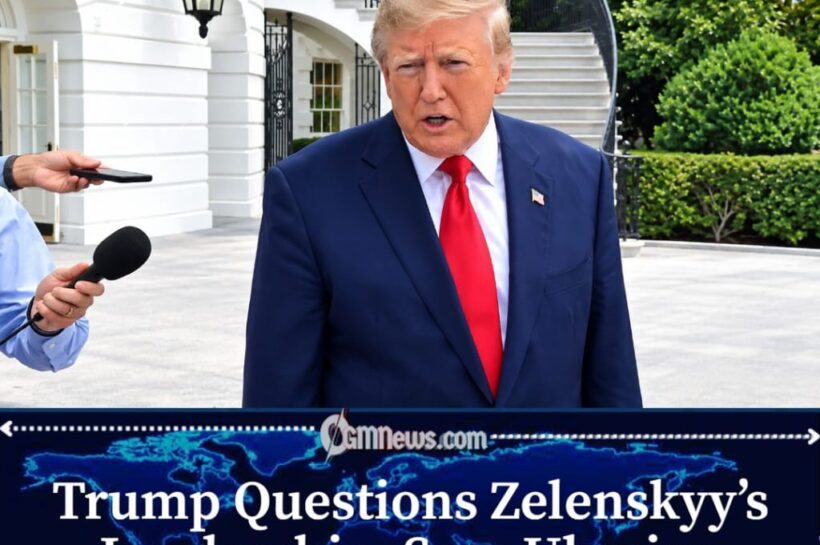



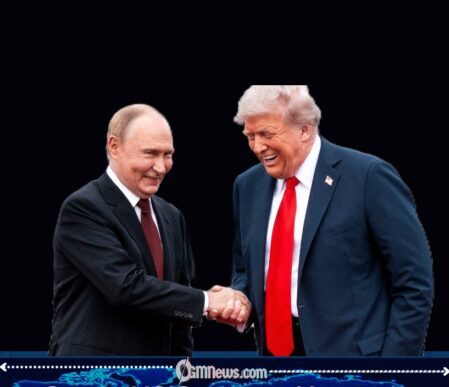
President Donald J. Trump is facing fresh bipartisan criticism over his administration’s decision to ease restrictions on Russian fuel and pursue a diesel supply arrangement with Moscow, with seven US senators demanding that the president reverse course. The controversy has placed the White House in an uncomfortable position: defend a policy presented as an answer to soaring fuel costs while confronting accusations that it could undermine US sanctions intended to punish Russia for its war against Ukraine.
In a political twist that could complicate Republican efforts ahead of the November 3 midterm elections, four Republican senators joined three Democrats in questioning the legality and consequences of the arrangement. The dispute raises a difficult question for Washington: can the administration promise cheaper fuel to American consumers without weakening the economic pressure designed to constrain Russian President Vladimir Putin?
Bipartisan Senators Challenge Trump’s Decision
Republican Senators Susan Collins of Maine, Lisa Murkowski of Alaska, Thom Tillis of North Carolina and John Curtis of Utah joined Democratic Senators Jeanne Shaheen of New Hampshire, Richard Blumenthal of Connecticut and Ron Wyden of Oregon in calling on Trump to reverse the decision. They argued that Congress had restricted Russian energy imports in 2022 to prevent American money from helping finance Moscow’s war against Ukraine.
The senators also questioned the administration’s compliance with legal requirements, alleging that Congress had neither been consulted nor given the explanation required for the decision. Tillis went further, telling NBC’s Meet the Press that there was a legitimate argument that the president was not following the law. In a conflict where Washington has repeatedly presented sanctions as a tool for pressuring Moscow, the prospect of easing restrictions has now opened a new political front inside the US government.
White House Defends Fuel Deal as Election Pressure Mounts
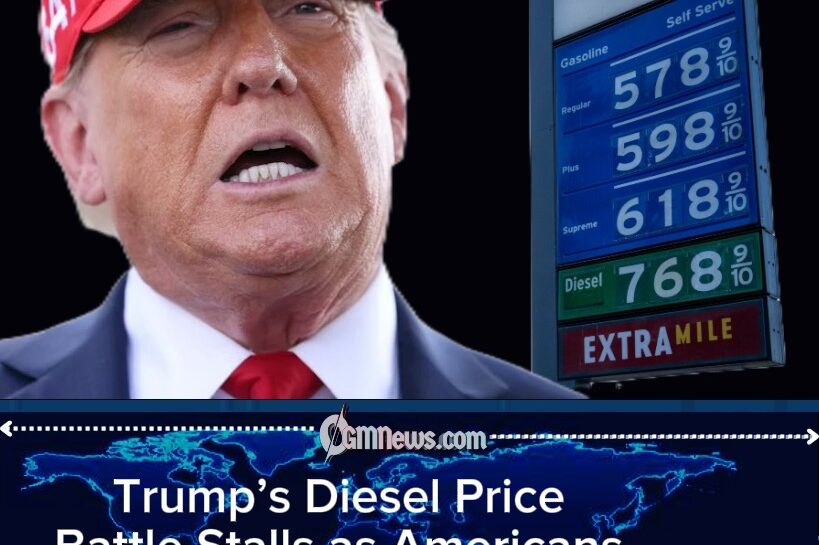
Treasury Secretary Scott Bessent defended the administration’s position, arguing that it would proceed using existing legal authority and that the arrangement could bring fuel prices down. His defence reflects the White House’s immediate economic challenge: diesel is essential to trucking, agriculture and home heating, meaning elevated prices can feed into transportation costs, food prices and household expenses. However, analysts cited in the supplied report have questioned whether the agreement would deliver sustained reductions at the pump.
The political consequences could extend beyond fuel prices. Republican Representative Don Bacon condemned the plan as morally wrong, while former vice president Mike Pence called the sanctions relief a betrayal of the legacy of Republican Russia hawk Lindsey Graham, who, according to the supplied account, died in July 2026. Senate Republican leader John Barrasso, however, defended Trump’s effort to reduce costs, exposing divisions within the party. Meanwhile, Canadian Prime Minister Mark Carney reportedly warned Ukrainian President Volodymyr Zelenskyy that the deal conflicted with allied efforts to achieve peace and stability in Europe.
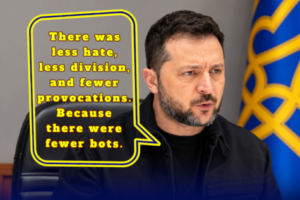
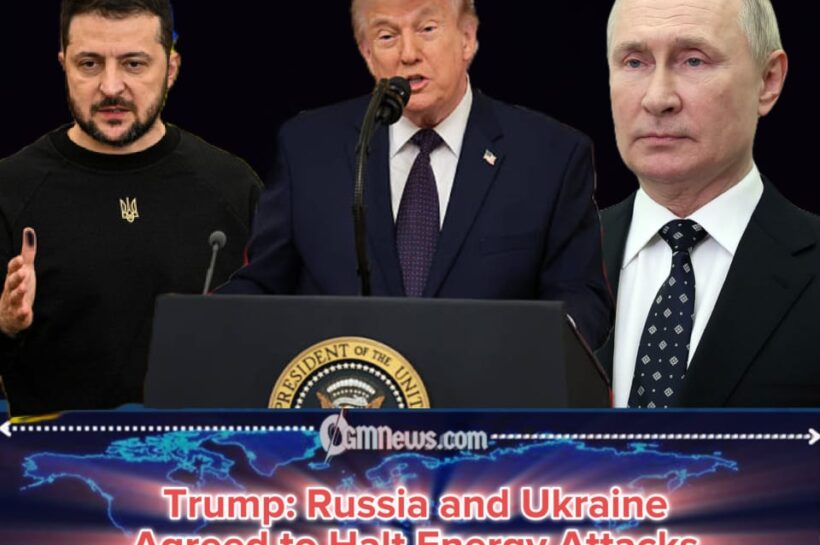
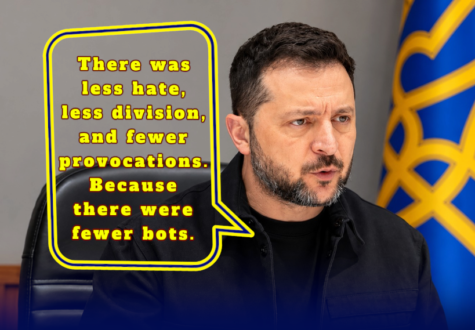
Trump subsequently claimed that Russia and Ukraine had agreed to an immediate energy ceasefire, but offered few details. Zelenskyy welcomed the prospect while saying Ukraine was waiting to see the terms and stressing that Russia must also honour the arrangement. With no confirmation from Moscow included in the supplied report, the announcement leaves important questions unanswered about enforcement, the scope of the ceasefire and whether the diesel agreement is connected to a broader diplomatic breakthrough.
The dispute leaves the Trump administration balancing three competing pressures: lowering costs for Americans, complying with congressional restrictions and maintaining economic pressure on Russia over Ukraine. If the senators’ legal objections gain momentum, the diesel deal could become more than a fuel-price controversy; it could develop into a test of presidential authority, Republican unity and US policy toward Moscow. Readers should watch out for further developments and verified updates on OGM News.
FzTgrVcRTRRArIWIFJ