




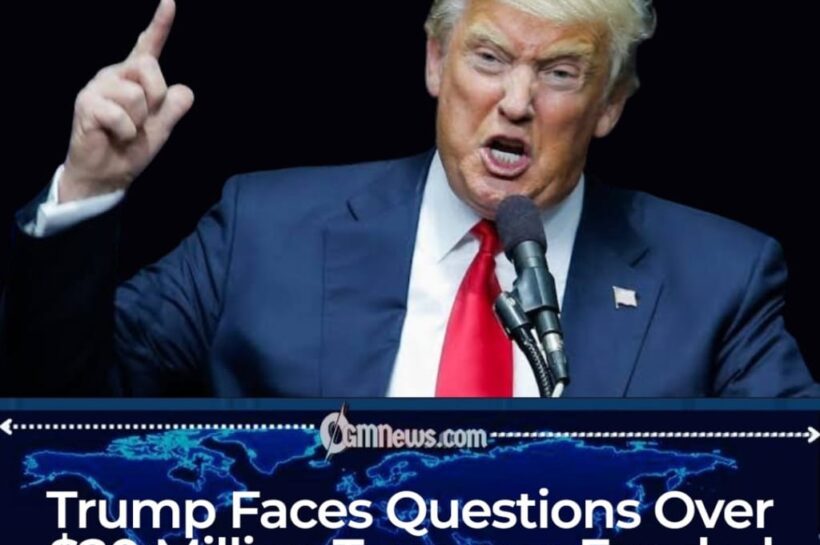


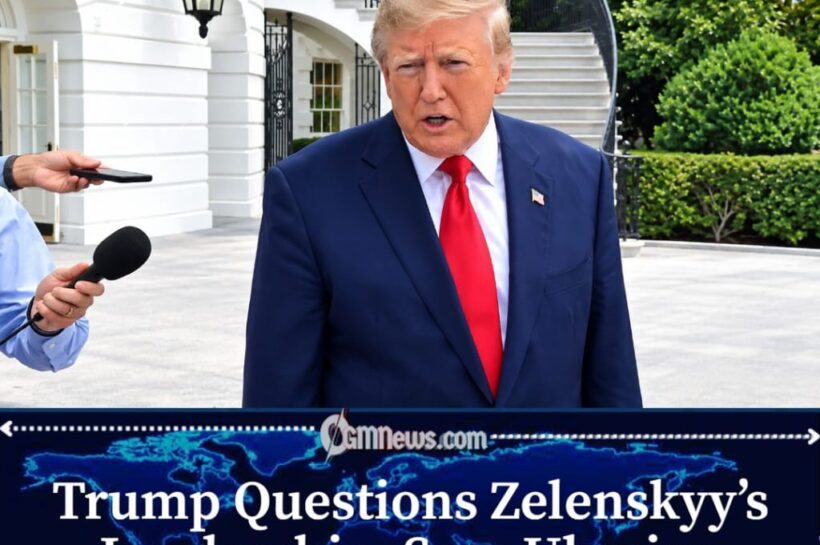



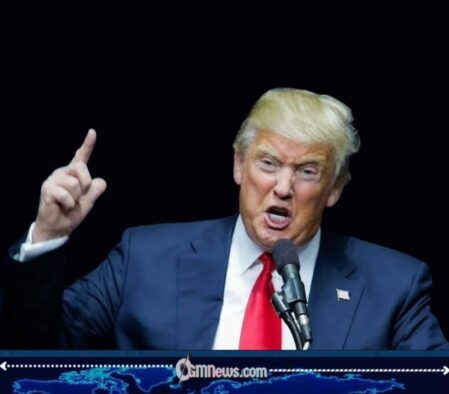
President Donald J. Trump has found himself at the centre of a growing controversy after the US Department of Homeland Security allocated $20 million in taxpayer funds for television advertisements promoting his administration ahead of the November 3 midterm elections. The campaign, which featured flattering portrayals of Trump and messages reflecting his political agenda, has raised questions about whether public money should be used to enhance a sitting president’s image. And just when taxpayers might have hoped for a refund, the White House reportedly made it clear that switching to private funding for future advertisements did not mean reimbursing the government for money already spent.
Trump’s $20 Million Advertising Campaign Raises Questions About Public Money
The advertisements were defended by the White House as public service announcements intended to promote American patriotism and the administration’s policies. Critics, however, have questioned whether the campaign genuinely informs the public or functions as presidential publicity financed by ordinary taxpayers. The distinction matters because government advertising should serve a legitimate public purpose, not simply provide an expensive opportunity for a president to admire his own political achievements on the national screen.
The timing has made the controversy even more sensitive. With the midterm elections approaching, the advertisements have drawn scrutiny from both Democrats and Republicans, while legal experts have questioned whether using federal funds for campaign-style promotion could violate restrictions on government propaganda. Trump has defended the advertisements as positive promotion for the United States, but critics argue that a patriotic soundtrack and presidential appearances do not automatically turn controversial spending into a public service. Apparently, even a television commercial needs more than confidence and a good camera angle to justify its bill.
Trump’s Repayment Question Leaves Taxpayers Waiting
The financial controversy became more complicated when Trump announced that future advertisements would be paid for through MAGA Inc., his political fundraising organisation, rather than taxpayer money. However, the White House clarified that the announcement did not amount to a promise to reimburse the government for the advertising costs already incurred. By October 6, reports indicated that nearly $12 million worth of advertisements had already aired under the $20 million contract. In other words, the proposed change in funding did not automatically bring a refund with it.
The dispute escalated further on October 11, when a federal judge temporarily ordered the administration to halt the challenged advertisements. The order followed a legal challenge arguing that the campaign represented an unlawful use of public funds for political promotion. The ruling was temporary, and the underlying legal questions remained unresolved. For taxpayers, however, the controversy presents a simple question: if the advertisements were paid for with public money, who should answer for the expenditure if a court ultimately finds that the spending was unlawful? Trump may have promised a different funding arrangement for the future, but the past expenditure remains a matter of public accountability.
As the controversy continues, Trump’s $20 million advertising campaign has become a test of transparency, responsible government spending, and the boundaries between official communication and political promotion. The temporary court order has stopped further broadcasts of the challenged advertisements for now, but it has not settled the dispute over the money already spent. OGM News will continue to follow the legal proceedings, the administration’s response, and the unanswered question of whether taxpayers will ever receive reimbursement. Stay tuned for further updates as this political advertising controversy develops.
FzTgrVcRTRRArIWIFJ