










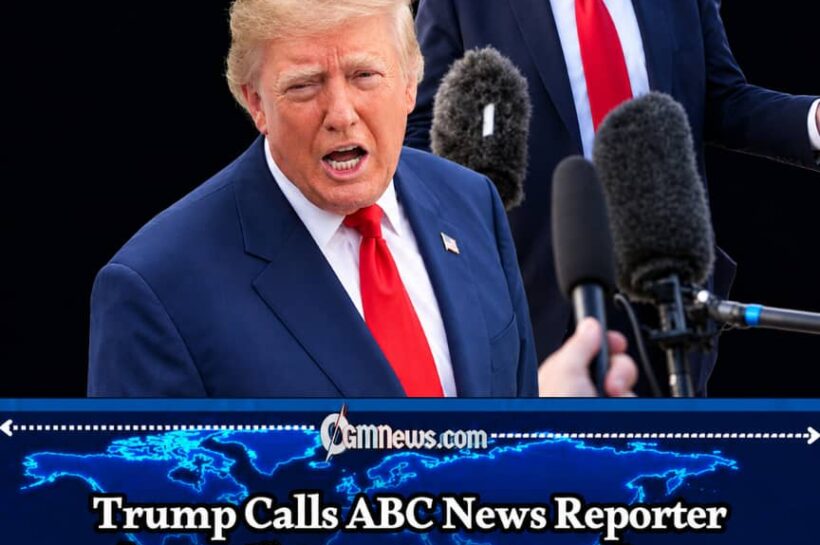
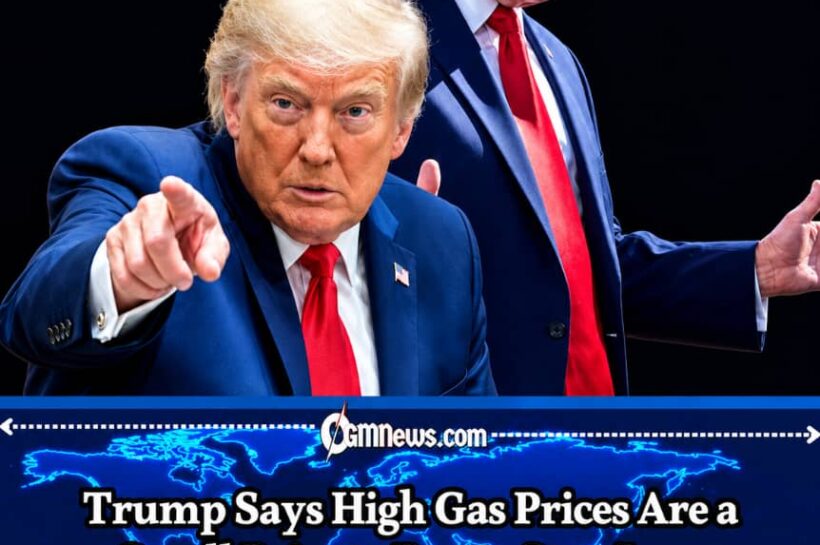




President Donald Trump has called on Congress to immediately approve the renewal of the Foreign Intelligence Surveillance Act, commonly known as FISA, arguing that the program remains vital to national security. Speaking in support of the surveillance authority, Trump said the military and intelligence agencies continue to rely on the program to monitor foreign threats and protect American interests.
The president said he believes the authority remains necessary despite past controversy surrounding its use. He acknowledged that surveillance laws had previously been misused by what he described as “bad people,” but insisted that the broader purpose of the program should not be abandoned because of earlier abuses.
Trump’s remarks have placed the politically sensitive surveillance issue back at the center of Washington’s national security debate.
A Shift From Earlier Criticism
Trump’s support for renewing FISA marks a notable shift from his earlier stance. In previous years, he strongly criticized the surveillance framework after arguing that elements of the law had been used against him and members of his political circle.
At the time, he described the program as an example of how intelligence powers could be weaponized for political purposes. His latest comments, however, suggest a more pragmatic view of surveillance now that he is serving a second term in the White House.
Political observers say the change reflects the difficult balance presidents often face between defending civil liberties and managing national security threats.
What FISA Actually Allows
FISA was created to give the government legal authority to monitor foreign intelligence threats while operating under judicial oversight. One of its most debated sections allows the collection of communications involving non-Americans located outside the United States.
Civil liberties advocates have long argued that the law can also sweep up communications involving American citizens, even when they are not the intended targets of surveillance. That concern has fueled repeated calls for reform.
Supporters of the law say it has helped prevent terrorism, cyber attacks, and espionage by giving intelligence agencies access to information that might otherwise be missed.
The Civil Liberties Debate
Trump’s latest comments have renewed debate about whether national security should outweigh privacy concerns. In defending the program, the president suggested that some personal freedoms may need to be weighed against the broader safety of the country.
Privacy advocates disagree, warning that surveillance powers can gradually expand beyond their original purpose. Several lawmakers from both parties have argued that stronger oversight should accompany any renewal.
Critics note the unusual political dimension of the debate: a president who once claimed to be harmed by the law is now publicly supporting its continuation.
Congress Faces a Difficult Decision
Lawmakers in Congress remain divided over how to proceed. Some Republicans and Democrats support extending the law without major changes, saying intelligence agencies cannot afford to lose an important security tool.
Others insist that any extension should include tighter limits on how the government handles data involving Americans. Several members have proposed reforms requiring stronger judicial approval before certain domestic records can be accessed.
The debate is expected to become one of the most closely watched national security issues on Capitol Hill in the coming weeks.
A Broader Political Test
Beyond surveillance policy, Trump’s position may become a test of how voters view the balance between freedom and security. National security debates often carry lasting political consequences because they touch on both public safety and constitutional rights.
Supporters say the president is showing a willingness to prioritize the country’s protection over politics. Opponents argue that the shift raises concerns about expanding government authority without enough safeguards.
As Congress prepares to decide the future of FISA, Trump’s endorsement has ensured that the debate will extend beyond intelligence policy into a broader discussion about trust, privacy, and presidential leadership.

The weekly tournaments here keep me coming back because the prize pools are surprisingly generous....