

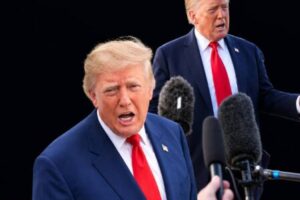

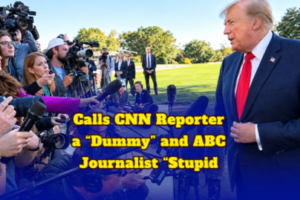









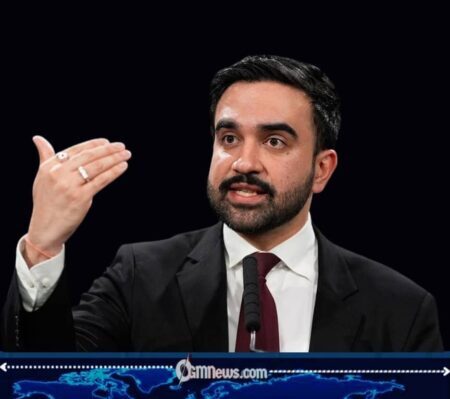
War spending became the center of a national political argument after NYC Mayor Zohran Mamdani sharply criticized President Donald J. Trump over U.S. military involvement connected to Iran. During a public exchange with reporters, Mamdani condemned what he described as billions of dollars being directed toward military action while poverty, housing insecurity, and economic hardship continue affecting millions of Americans at home. His strongest remarks focused on civilian casualties and the belief that government priorities have become too dependent on military spending instead of social investment.
The exchange quickly spread across social media, where supporters praised Mamdani as an emerging anti-war voice willing to challenge long-standing U.S. foreign policy traditions. Critics, however, argued that the mayor’s comments ignored the broader geopolitical tensions involving Iran, regional militias, and security concerns in the Middle East. The controversy intensified because Mamdani linked military expenditure directly to domestic poverty, framing the issue not only as foreign policy but also as an economic justice debate. His statement that “we always have money for war, but never to feed the poor” became the defining line driving public reaction online.
War : Iran, Domestic Pressure, and the Expanding Debate
Iran has remained a sensitive issue in American politics for years, especially following heightened military tensions, sanctions, and repeated fears of broader regional escalation. Analysts note that criticism of U.S. intervention abroad has increasingly gained support among younger voters and progressive political movements who argue that massive defense budgets coexist with worsening inequality, rising housing costs, and strained public services inside the United States. Mamdani’s remarks reflect a wider ideological shift among some politicians seeking to redirect federal priorities toward healthcare, education, and economic relief programs.
At the same time, defenders of strong military engagement argue that reducing U.S. influence abroad could create security risks and embolden hostile actors in unstable regions. Political observers say this tension between national defense and domestic investment is becoming one of the defining arguments shaping future American elections.
The debate has also revived scrutiny over the long-term financial costs of overseas military operations, with critics questioning whether decades of intervention have produced enough measurable benefits for ordinary citizens. Supporters of the military spending counter that global stability and deterrence often require costly commitments that cannot be measured only through domestic economics.
War spending is now evolving from a foreign policy discussion into a broader cultural and economic argument about what Americans expect their government to prioritize during periods of financial uncertainty and political division. OGM News understands that Mamdani’s comments may continue generating reactions far beyond New York, particularly as public frustration grows over inflation, public welfare challenges, and America’s global military footprint. Whether the controversy strengthens anti-war political movements or deepens partisan divisions, the conversation surrounding Iran and federal spending priorities appears far from over.


Logging in is a breeze and the site stability is amazing even during peak hours....