




















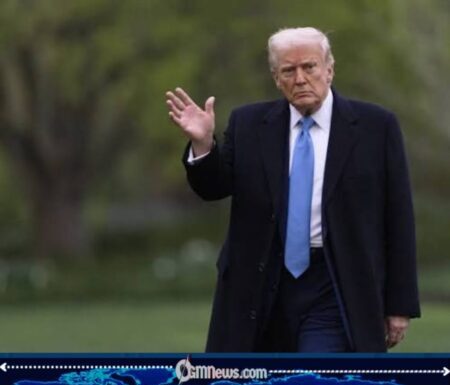
Iran Deadlock tensions are increasingly exposing cracks in President Donald J. Trump’s signature Pressure Diplomacy strategy, as the White House struggles to force a breakthrough in a crisis that has now stretched into its eleventh week. What once appeared to be another demonstration of Trump’s confrontational negotiating style has evolved into a prolonged geopolitical standoff with major economic and political consequences. With global markets unsettled, gasoline prices climbing, and domestic approval ratings under pressure, the administration now faces growing questions about whether aggressive rhetoric alone can resolve one of the world’s most dangerous diplomatic confrontations.
Iran Deadlock Intensifies Amid Growing Diplomatic Frustration
The Iran Deadlock has become a defining foreign policy challenge during Trump’s first year back in office. The administration initially approached the confrontation using tactics that had previously produced concessions in trade disputes and international negotiations, including public ultimatums, sanctions, and sharp criticism directed at opposing governments. However, Iran’s leadership has shown little willingness to respond positively to such pressure, creating a prolonged stalemate that continues to unsettle international observers.
The Pressure Diplomacy approach has remained largely unchanged despite the lack of visible progress. Trump has publicly signaled frustration over the deadlock but has shown little indication that he intends to soften his rhetoric or reduce economic pressure against Tehran. Analysts note that Iran’s political establishment has historically resisted appearing weak under foreign threats, especially during periods of national tension. This dynamic has made compromise increasingly difficult, particularly as both sides attempt to avoid looking politically vulnerable in front of domestic audiences.
Pressure Diplomacy Creates Economic and Political Risks
The Pressure Diplomacy strategy is also creating serious domestic consequences for the White House as economic concerns begin affecting voters more directly. Rising gasoline prices linked to instability in global energy markets have intensified public frustration at a politically sensitive moment ahead of the November midterm elections. Republicans are now facing increasing pressure to defend the administration’s handling of both foreign policy and economic conditions as they fight to maintain congressional control.
Political analysts argue that the Iran Deadlock demonstrates the limitations of relying heavily on confrontation as a long-term diplomatic method. While Trump’s hardline style has often generated rapid headlines and tactical victories, Iran’s refusal to yield quickly has complicated efforts to frame the crisis as a successful pressure campaign. Several foreign policy experts have warned that prolonged uncertainty surrounding the conflict could further damage investor confidence, disrupt global oil markets, and weaken broader international stability.
At the same time, some supporters of the administration argue that easing pressure would embolden Tehran and undermine American leverage globally. They insist that maintaining a firm stance is necessary even if negotiations remain frozen for an extended period. Critics, however, contend that the absence of a clear diplomatic off-ramp risks turning the standoff into a costly war of endurance with uncertain outcomes for both sides.
As the Iran Deadlock continues without a visible resolution, the White House faces the difficult challenge of balancing international pressure with domestic political realities. For now, the Pressure Diplomacy strategy remains firmly in place, but the longer the crisis drags on, the more questions are emerging about whether aggressive tactics alone can deliver the kind of breakthrough the administration once promised.
[…] […]