






















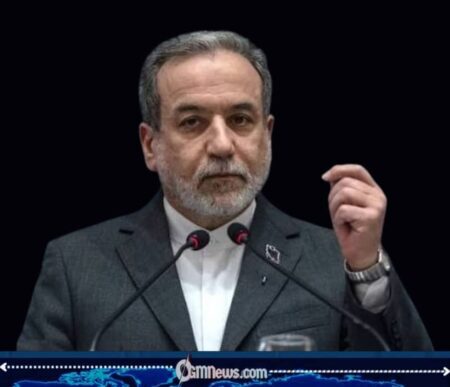
Sovereignty has once again become the center of rising tensions between Iran and the United States after Iranian officials declared that Tehran would never compromise its territorial integrity or national independence under military pressure. The warning, delivered amid growing regional anxiety, stated that any future attack on Iran would trigger retaliatory strikes against American military bases across the Middle East with “more power,” immediately drawing international attention to the fragile state of regional security.
The remarks reflect the latest escalation in a long-running geopolitical confrontation that has shaped Middle Eastern politics for decades. Iranian authorities framed the statement as a defensive position rather than an offensive threat, insisting that Tehran’s military posture is aimed at deterrence and national survival. However, the language has fueled fears that even minor military incidents or strategic miscalculations could quickly spiral into a wider regional conflict involving multiple nations and armed groups.
Iranian officials have repeatedly argued that foreign pressure campaigns, sanctions, and military threats are attempts to weaken the country’s sovereignty and influence. In response, Tehran has increasingly emphasized military readiness and strategic retaliation as core elements of its national defense policy. Analysts say this messaging is intended not only for Washington but also for domestic audiences seeking reassurance that the government will not appear weak in the face of external pressure.
The latest warning also arrives at a time when military activity and diplomatic uncertainty remain high across the Middle East. Security experts note that American military facilities in the region have long been viewed by Iran as strategic pressure points during periods of confrontation. As a result, every escalation in rhetoric tends to increase global concern about the possibility of proxy conflicts, energy supply disruptions, and broader instability affecting neighboring states.
Sovereignty: Washington Faces Fierce Retaliation Threat as Tehran Rejects Pressure Politics
Retaliation has increasingly become a defining feature of the tense relationship between Tehran and Washington. Over recent years, confrontations involving sanctions, military operations, cyber accusations, and regional proxy activity have deepened mistrust between both governments. International observers warn that the repeated exchange of threats creates an atmosphere where diplomacy struggles to compete with political posturing and military signaling.
Regional analysts also point out that Iran’s emphasis on sovereignty is tied closely to broader strategic concerns involving foreign military presence across the Middle East. Tehran has consistently portrayed American bases in the region as symbols of external interference, while the United States continues to argue that its military deployments are necessary for regional stability and the protection of allies. The result is a dangerous cycle where deterrence rhetoric from one side is interpreted as provocation by the other.
At the same time, diplomatic channels remain active behind the scenes, with several global powers reportedly encouraging restraint to prevent another major crisis. Energy markets and international investors are also monitoring developments closely, aware that even the perception of conflict in the region can trigger economic uncertainty. Public reactions online, meanwhile, have blended concern with satire, as social media users sarcastically describe the Middle East as “the world’s most stressful notification center.”
Military experts caution that while strong public statements are often intended to deter aggression, they can also narrow diplomatic flexibility if leaders later feel pressured to prove credibility through action. In such an environment, even symbolic military maneuvers or isolated incidents risk being interpreted as deliberate escalation, increasing the possibility of unintended confrontation.
For now, sovereignty and retaliation remain at the center of a tense geopolitical standoff that continues to shape regional politics and global security calculations. OGM News understands that further developments are expected as international actors closely monitor whether the current war of words remains political theater or evolves into a more dangerous phase requiring urgent diplomatic intervention.

[…] […]