



























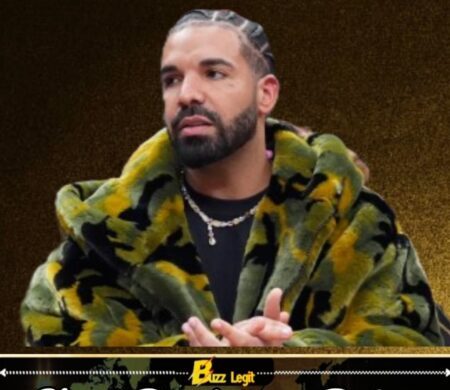
Chart Dominance remains Drake’s strongest shield as the global superstar continues to post impressive commercial numbers despite growing questions about his public image. In an industry where streaming figures often define success, the rapper’s ability to maintain dominance suggests his fan base remains deeply loyal—even as criticism surrounding his reputation intensifies.
For years, Drake has built an empire on consistency, emotional storytelling, and cultural adaptability. Yet recent controversies and heightened public scrutiny have introduced a rare vulnerability into his carefully managed brand. While his music still commands attention across digital platforms, some analysts argue that commercial endurance does not automatically translate into restored public trust. Reputation Recovery has emerged as an equally important battle.
Perception On Chart Dominance
The tension between chart performance and cultural perception is becoming increasingly visible. Industry observers note that Drake’s audience may be separating artistic appreciation from personal controversy, allowing his songs to thrive even as debates about authenticity, influence, and accountability continue online. In this environment, Chart Dominance may serve as evidence of staying power—but not necessarily proof of reputational healing.
The broader music industry has seen similar moments where major artists sustained commercial momentum despite public criticism, yet long-term brand resilience often depends on more than numbers. Reputation Recovery typically requires transparency, narrative control, and time—three elements that cannot be measured by streams or sales alone.
As Drake moves into the next phase of his career, the relationship between popularity and public trust may define his legacy more than any chart milestone. Chart Dominance can preserve relevance, but Reputation Recovery may ultimately determine whether his influence remains as powerful culturally as it is commercially. Buzz Legit will continue monitoring whether the artist’s greatest comeback must happen not on playlists, but in public perception.



[…] […]