

















U.K. Prime Minister Keir Starmer has cautioned that reopening the Strait of Hormuz will not automatically bring global oil and gas prices back to normal levels. His remarks come amid ongoing geopolitical tensions that have disrupted one of the world’s most critical energy transit routes.
Speaking as international efforts intensify to restore safe passage through the Strait, Starmer emphasized that market recovery will be gradual, shaped by lingering uncertainty, disrupted supply chains, and structural changes in global energy demand. His warning aligns with assessments from major financial institutions and energy analysts who see prolonged volatility ahead.
The Strategic Importance of the Strait of Hormuz
The Strait of Hormuz is widely regarded as one of the most vital chokepoints in global energy trade, with a significant share of the world’s oil and liquefied natural gas shipments passing through its narrow waters. Any disruption to this route has immediate and far-reaching consequences for global supply.
Recent tensions have underscored the vulnerability of this corridor, with shipping delays and security concerns reducing the flow of energy exports. Even partial interruptions have been enough to trigger price surges, highlighting the market’s sensitivity to geopolitical risk in the region.
As a result, reopening the Strait is seen as a necessary step toward stabilizing supply but not a sufficient one to restore pre-crisis conditions.
Supply Disruptions: A Lingering Global Shock
Energy analysts note that the disruption has created a significant supply gap in global markets. Even if shipping resumes fully, it may take time for producers to ramp up output and for supply chains to normalize.
The shock has also prompted countries to draw on strategic reserves, further complicating the path to recovery. Replenishing these reserves will likely sustain demand pressures, contributing to elevated prices over the medium term.
In this context, Starmer’s warning reflects a broader understanding that the effects of supply disruptions persist long after physical flows resume.
Market Dynamics: Risk Premiums and Investor Sentiment
Financial markets have responded to the crisis by building a “risk premium” into energy prices. This reflects not only current supply constraints but also the possibility of future disruptions.
Even if the Strait reopens, traders and investors are likely to remain cautious, factoring in geopolitical uncertainty and the potential for renewed instability. This cautious outlook can keep prices elevated despite improvements in physical supply conditions.
Such dynamics illustrate why price normalization is not solely dependent on infrastructure but also on confidence a factor that often recovers more slowly.
Industry Response: Cautious Return to Operations
Major energy companies and shipping operators have signaled that they will proceed carefully, even after conditions improve. Safety concerns, insurance costs, and logistical challenges all play a role in determining how quickly normal operations can resume.
Some firms have indicated they will wait for sustained stability before fully restoring transit through the Strait. This cautious approach could delay the return of full supply volumes to global markets.
Consequently, the pace of recovery will likely be uneven, with gradual improvements rather than an immediate return to previous levels.
Global Economic Impact: Inflation and Policy Shifts
Elevated energy prices have already begun to ripple through the global economy, contributing to inflationary pressures and increasing costs for businesses and consumers alike. Governments are facing renewed challenges in balancing economic growth with price stability.
At the same time, the crisis is accelerating shifts in energy policy, with many countries seeking to diversify supply sources and invest in alternative energy. These structural changes could have lasting implications for global demand patterns.
Starmer’s remarks highlight the broader economic context, where energy market instability intersects with long-term policy transformations.
Geopolitical Context: Coordinated Efforts and Ongoing Risks
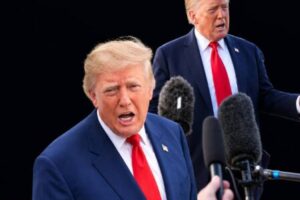
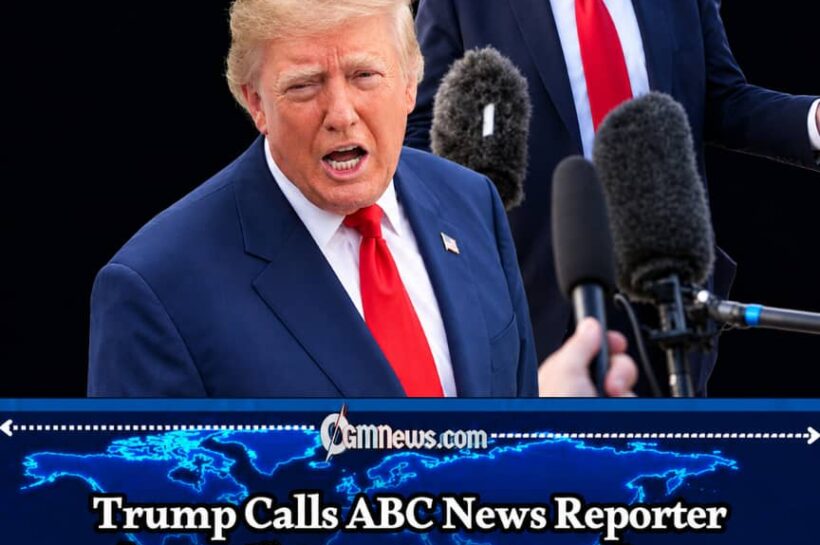
Efforts to secure the Strait of Hormuz have involved coordination among multiple nations, reflecting its global significance. Among those engaged in discussions is U.S. President Donald Trump, currently serving a second term, who has emphasized the importance of restoring safe navigation.
Despite these efforts, geopolitical risks remain high, with tensions in the region continuing to influence market sentiment. The possibility of renewed disruptions cannot be ruled out, reinforcing the cautious outlook shared by many analysts.
This environment of uncertainty underscores why reopening the Strait, while critical, is only one step in a broader and more complex recovery process.
Prime Minister Keir Starmer: Recovery Likely to Be Gradual, Not Immediate
Prime Minister Keir Starmer’s warning reflects a growing consensus that the global energy market faces a prolonged adjustment period. While reopening the Strait of Hormuz is essential, it does not address the deeper disruptions caused by the crisis.
As supply chains stabilize, risk premiums ease, and confidence returns, prices may gradually move toward equilibrium. However, the timeline for this process remains uncertain, shaped by both economic and geopolitical factors.
For now, the expectation is clear: a return to “normal” energy prices will take time, even after the immediate crisis subsides.

Logging in is a breeze and the site stability is amazing even during peak hours....