

























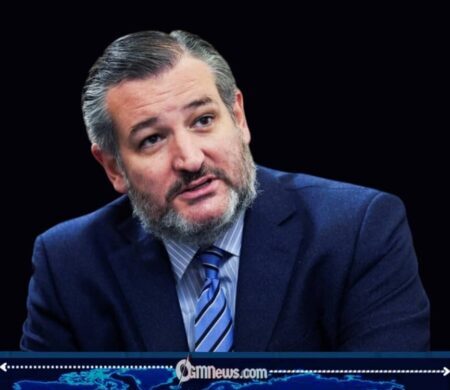
Ted Cruz has reignited Washington’s long-running Iran debate after warning that reports of a possible negotiated arrangement between the United States and Iran could evolve into what he described as a “disastrous mistake.” The Texas senator raised concerns that easing sanctions or permitting continued uranium enrichment could empower Tehran economically and militarily while increasing threats to American interests and Middle Eastern stability. His remarks have quickly fueled speculation about divisions inside political circles surrounding President Donald Trump’s foreign policy strategy.
The controversy arrives at a time when tensions across the Middle East remain fragile, with concerns surrounding oil supply routes, proxy conflicts, and nuclear development continuing to dominate global security discussions. Cruz’s warning focused heavily on the Strait of Hormuz, a narrow but strategically vital shipping corridor through which a significant percentage of the world’s oil exports travel. Any escalation involving Iran in that region could have immediate economic consequences far beyond Washington and Tehran.
Cruz Suggests Weak Iran Deal Could Hand Tehran Control of Global Oil Routes
Cruz framed his criticism around the fear that Iran could receive financial relief without abandoning nuclear ambitions or regional influence. In his remarks, he argued that the Iranian government continues to maintain anti-American rhetoric while pursuing policies viewed by U.S. allies as destabilizing. According to Cruz, allowing uranium enrichment under any revised arrangement would risk strengthening a government that Washington has spent years attempting to isolate through sanctions and international pressure.
The senator also praised President Trump’s “peace through strength” posture, suggesting that maintaining firm red lines remains essential to preventing Iran from expanding its military leverage. His comments appear aimed not only at Tehran but also at policymakers in Washington who may favor renewed diplomatic engagement as a path toward reducing regional tensions. The warning reflects broader conservative concerns that previous nuclear negotiations failed to permanently limit Iran’s nuclear capabilities while providing Tehran with economic relief.
Strait of Hormuz Fears Return as Iran Talks Spark Debate
The Strait of Hormuz remains central to many of these fears because of its enormous importance to global energy markets. The waterway has repeatedly become a geopolitical flashpoint during periods of heightened confrontation between Iran and Western powers. In previous years, Iran has threatened shipping activity in response to sanctions pressure, leading to military patrol increases by the United States and allied nations in the Gulf region.
Recent international discussions surrounding Iran have also been shaped by wider instability across the Middle East, including ongoing conflicts involving regional proxy groups and concerns about escalating military confrontations. Analysts monitoring the situation note that while diplomatic engagement is often presented as a tool to avoid conflict, critics argue that partial agreements or unclear enforcement mechanisms could unintentionally strengthen Tehran’s regional influence. Supporters of negotiations, however, maintain that diplomacy remains preferable to another prolonged military crisis in the region.
For now, Cruz’s comments have added fresh political pressure to an already sensitive foreign policy debate. As rumors of negotiations continue circulating, attention is likely to remain fixed on whether the Trump administration chooses confrontation, compromise, or a strategy balancing both approaches. OGM News will continue monitoring developments surrounding Iran, nuclear diplomacy, and the growing political battle unfolding in Washington over what many believe could shape the next chapter of Middle Eastern security.

[…] […]