













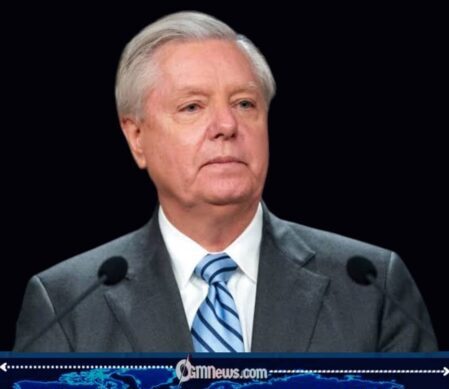
The Abraham Accords have once again become the center of an escalating geopolitical debate after Senator Lindsey Graham strongly endorsed President Donald Trump’s push to expand the normalization framework to include Saudi Arabia, Qatar, and Pakistan. Graham described the potential expansion as “beyond transformative” for both the Middle East and the wider international order, while also issuing a blunt warning that allies refusing to align with Washington’s Iran strategy could face “severe repercussions.” The remarks have intensified speculation that the Abraham Accords are evolving from a diplomatic agreement into a broader strategic coalition designed to reshape regional power dynamics.
Abraham Accords Expansion Could Redraw Middle East Power Map Overnight
The Abraham Accords originally emerged as a normalization agreement between Israel and several Arab nations during Trump’s earlier administration, reshaping diplomatic ties in parts of the Middle East. Since then, discussions surrounding expansion have remained active, particularly regarding Saudi Arabia, whose possible recognition of Israel has repeatedly been viewed as a historic geopolitical breakthrough capable of redefining regional alliances. Graham’s latest remarks appear aimed at accelerating that process while tying it directly to Washington’s broader confrontation with Iran.
The mention of Qatar and Pakistan introduced an additional layer of intrigue. Qatar maintains relationships with multiple competing regional actors and has often positioned itself as a diplomatic intermediary in sensitive negotiations. Pakistan, meanwhile, has historically avoided recognizing Israel, making any discussion of potential participation politically explosive both domestically and internationally. Analysts say Graham’s comments signal that some policymakers in Washington now envision the Abraham Accords not merely as peace agreements, but as the foundation of a larger security and economic bloc aligned against Iranian influence.
Graham Warns Allies: Support Trump’s Iran Plan or Face Consequences
Graham’s warning about “severe repercussions” has generated considerable attention because it reflects growing frustration within sections of the U.S. political establishment over the pace and direction of negotiations involving Iran. Recent diplomatic discussions surrounding Tehran’s nuclear program have remained tense, with American officials and regional allies expressing concern about uranium enrichment levels and long-term security guarantees. By suggesting that support for the Abraham Accords should become linked to future Iran agreements, Graham effectively raised the political stakes for countries attempting to balance relationships between Washington, Tehran, and regional powers.
The broader international reaction remains divided. Supporters of Trump’s strategy argue that expanding the Abraham Accords could strengthen regional stability, deepen economic integration, and create stronger deterrence against armed conflict. Critics, however, warn that combining normalization efforts with diplomatic pressure campaigns risks inflaming tensions rather than easing them. Some observers also note that public opinion within several Middle Eastern and Muslim-majority nations remains deeply sensitive regarding relations with Israel, meaning leaders considering participation may face domestic political resistance despite potential strategic benefits.
For now, the Abraham Accords continue evolving from what many once viewed as a symbolic diplomatic initiative into one of the most consequential geopolitical projects shaping modern Middle East politics. Whether Graham’s aggressive push strengthens negotiations or complicates them further may become clearer in the coming months, especially as President Trump’s administration continues balancing Iran diplomacy, regional security concerns, and the ambitions of allies seeking influence in a rapidly shifting global order.

Logging in is a breeze and the site stability is amazing even during peak hours....