






















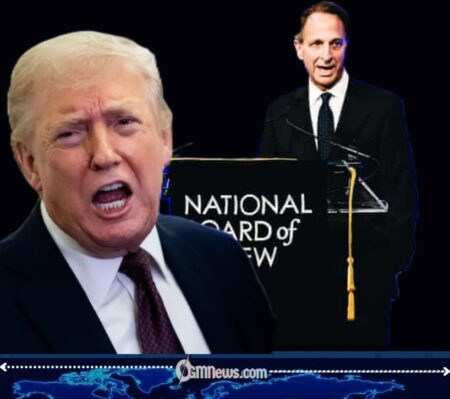
Election lies have once again erupted into America’s political bloodstream after former federal prosecutor Andrew Weissmann called for sweeping legal reforms aimed at punishing politicians who spread falsehoods capable of damaging democracy. The proposal, coming from one of the most recognizable legal figures connected to investigations surrounding President Donald J. Trump, has intensified a growing national debate over whether political deception should remain protected under broad interpretations of free speech laws. While supporters view the idea as overdue accountability, critics warn it could become a dangerous political weapon in an already deeply divided America.
Former Trump Prosecutor Calls for Election Crackdown on Political Falsehoods
Weissmann argued that democracy cannot function properly when political leaders repeatedly make false election claims without consequence. In promoting his proposed “Truth in the Act,” he suggested the United States should explore legal frameworks similar to measures seen in other democracies where election misinformation has resulted in political penalties or criminal consequences.
The former prosecutor specifically referenced the aftermath of the 2020 presidential election, where claims of widespread voter fraud ultimately failed in court despite dominating public discourse for months. Weissmann insisted that courts remain one of the few institutions where facts still matter, emphasizing that many election-related lawsuits tied to Trump allies collapsed under legal scrutiny. According to him, unchecked election lies risk weakening public trust in institutions while encouraging instability and political extremism
Election Lies Debate Intensifies as Weissmann Proposes Truth in the Act . The debate surrounding election lies arrives during a period of heightened concern over political polarization and public confidence in American institutions. Analysts across the political spectrum have increasingly warned that misinformation campaigns whether from politicians, online influencers, or partisan media ecosystems are reshaping how voters interpret it and governance itself.
Weissmann’s proposal has also revived longstanding constitutional questions about free speech protections in the United States. Critics argue that empowering governments to determine which political statements qualify as punishable lies could create serious risks for civil liberties and political opposition movements in the future. Supporters, however, point to existing laws involving fraud, defamation, and election interference as evidence that some forms of harmful deception already carry legal consequences under American law.
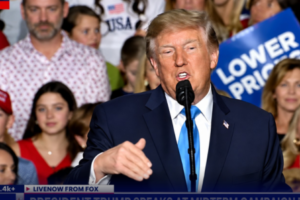
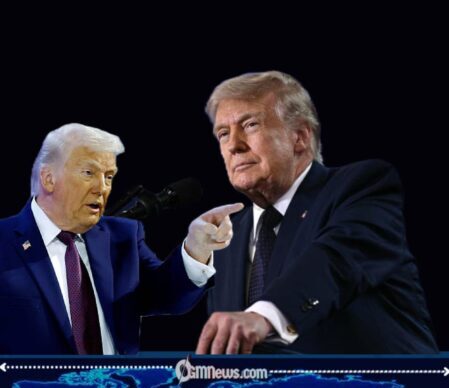
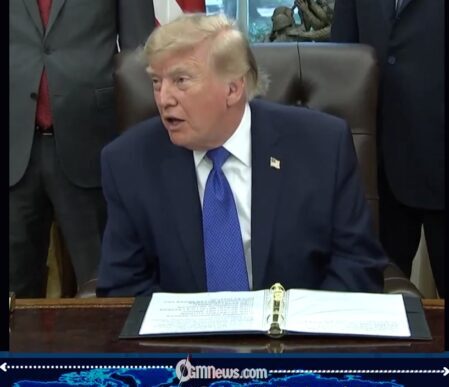
The controversy is further amplified by the continuing political influence of President Donald J. Trump, whose repeated claims surrounding the 2020 election remain central to national political arguments. Trump and his allies have consistently framed investigations and criticism against them as politically motivated attacks by establishment figures. Meanwhile, critics of Trump argue that repeated false narratives surrounding election integrity continue to undermine confidence in democratic systems and fuel hostility toward institutions ranging from courts to federal agencies.
Weissmann himself has become a recurring target of political backlash due to his role in high-profile investigations linked to Trump. His claims that fear and political intimidation are discouraging legal institutions, publishers, and organizations from challenging controversial actions have added another layer to the broader debate about democracy, institutional independence, and political pressure in modern America.
As America edges closer to another intense cycle, the conflict over it lies may become one of the defining political battles shaping public trust, media narratives, and legal reforms for years to come. OGM News will continue monitoring how this growing confrontation between free speech, political accountability, and democracy evolves in Washington and beyond.
[…] […]