



























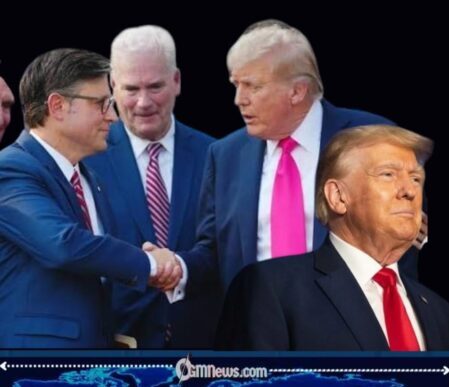
The core argument behind the Constitution Loophole theory revolves around the interaction between the Electoral College, census-driven representation, population growth, immigration patterns, and the concentration of Democratic voters in rapidly expanding states. Some conservative strategists argue that demographic shifts are gradually creating a political environment where Democratic candidates begin presidential races with a structural advantage difficult for Republicans to overcome consistently.
Donald Trump’s victories in previous elections demonstrated that Republicans can still compete aggressively within the current system, particularly by maximizing turnout in battleground states. However, political observers note that several traditionally conservative states have experienced population changes over the past decade, forcing Republican campaigns to spend more resources defending territories once considered safe. Critics of the loophole theory argue that political realignment happens constantly throughout American history and that claims of permanent Democratic dominance ignore the unpredictable nature of economic crises, foreign policy failures, and voter backlash.
Trump May Be the Last Republican to Ever Enter the White House
The White House debate has also been intensified by broader national tensions surrounding voting laws, congressional district battles, and disputes over the legitimacy of electoral institutions. Analysts point out that every major political era eventually creates fears that one party has discovered a lasting advantage, only for future elections to prove those assumptions incomplete. Republicans themselves once benefited heavily from Electoral College advantages that frustrated Democrats for years.
At the same time, some constitutional scholars have acknowledged that the structure of the American system can produce long-term imbalances under certain demographic conditions. Urbanization trends, migration into large metropolitan regions, and declining rural populations continue to influence how electoral votes are distributed. While no actual constitutional clause guarantees Democratic control of the White House, experts say structural incentives can gradually shift the political playing field in ways that appear almost permanent during certain historical periods.
Democrats Might Have Found the “Unlimited White House Glitch”
The Constitution Loophole controversy ultimately reveals less about a secret legal trick and more about America’s growing uncertainty over the future of political power itself. Whether Donald Trump becomes remembered as the last Republican president or merely another chapter in an unpredictable political cycle remains impossible to determine. For now, the White House debate has succeeded in doing one thing exceptionally well: convincing millions of Americans to suddenly care about constitutional mechanics they ignored for years.


[…] […]