


























Election Report: The release of the Democratic National Committee’s long-awaited election after-action report has triggered a fierce new internal battle inside the Democratic Party, reigniting criticism over leadership decisions, campaign strategy, and the future direction of the party after the bruising 2024 election cycle. What was intended to serve as a roadmap for recovery instead reopened old political wounds, with critics accusing party officials of delivering a carefully managed narrative rather than a full accounting of what went wrong. The Election Report immediately became a rallying point for frustrated activists, donors, and strategists demanding deeper accountability.
Accountability On Fund Raising And Organizational Outreach
The Election Report reportedly examined campaign messaging, voter outreach, fundraising operations, and organizational weaknesses that emerged during the 2024 presidential election. However, critics inside the party argue the document softened major failures while avoiding direct responsibility among top leadership figures. Several Democratic strategists publicly questioned whether the report honestly addressed declining enthusiasm among younger voters, working-class communities, and independents who increasingly expressed frustration over economic concerns and political messaging during the campaign season.
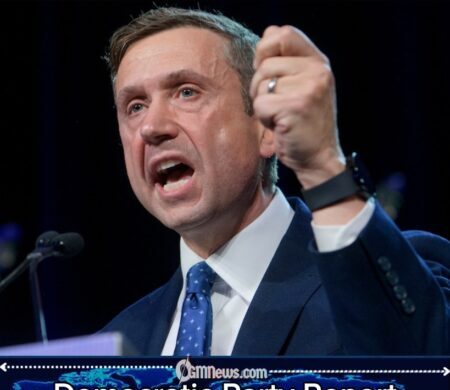
Party chair Ken Martin has become one of the central figures in the controversy, with critics accusing party leadership of appearing defensive rather than reflective. Some insiders reportedly expected the Election Report to include tougher recommendations and more visible structural reforms. Instead, opponents argue the review focused heavily on external political challenges while minimizing internal strategic mistakes. Supporters of the leadership counter that post-election reviews are designed to improve future operations rather than fuel public political warfare within the party itself.
Fractures On Economic Priority And Immigration Policy
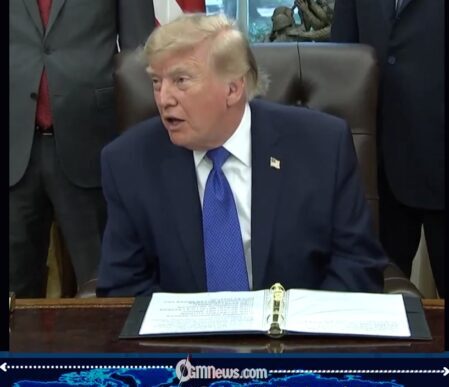
Beyond the immediate controversy, the Election Report also highlights broader tensions shaping modern Democratic politics. Since the 2024 election, Democrats have faced growing debates over campaign messaging, economic priorities, immigration policy, digital outreach, and how aggressively the party should confront President Donald J. Trump and Republican momentum across several key states. Analysts note that many of these disagreements existed long before the report’s release, but the document became a symbol of deeper frustrations that had been building quietly for months.
Political observers say the backlash also reflects a wider crisis affecting major political parties globally, where voters increasingly distrust institutional language and demand more direct accountability after electoral losses. Some critics argued the Democratic Party spent too much time defending its past decisions instead of presenting a convincing future strategy. Others warned that prolonged internal conflict could damage fundraising, weaken grassroots enthusiasm, and create uncertainty heading into future congressional and presidential races. Despite the criticism, allies of party leadership insist the Election Report represents only the beginning of a broader rebuilding effort rather than the final word on the party’s challenges.
As debates continue, the Election Report may ultimately become less important for what it revealed and more significant for what it exposed emotionally inside the Democratic Party itself — exhaustion, frustration, ideological division, and anxiety about competing in an increasingly polarized political environment. OGM News understands that additional reactions from party insiders, strategists, and campaign officials are expected in the coming weeks as Democrats attempt to stabilize internal tensions while preparing for the next phase of America’s political battle.
[…] […]