








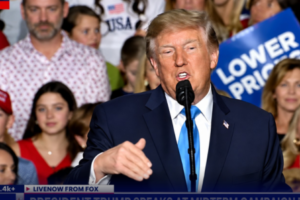

















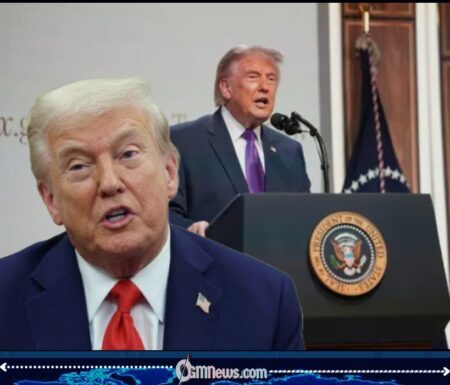
The Strait of Hormuz returned to the center of global politics after President Donald Trump announced that a major agreement with Iran has been “largely negotiated,” with final details expected soon. The statement immediately triggered international attention because the proposed understanding reportedly includes the reopening of the strategic maritime corridor that carries a significant share of the world’s oil supply. While the announcement was framed as a diplomatic breakthrough, uncertainty remains over the exact terms of the agreement and whether both sides truly share the same interpretation of progress.
Iran and United States Reportedly Moving Closer to Historic Agreement
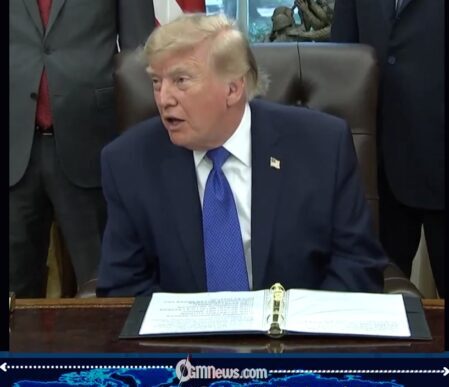
President Donald Trump revealed that discussions involving the United States, Iran, and several regional actors had advanced significantly after high-level consultations with Middle Eastern allies and international mediators. Reports indicate that Pakistan played an important role in facilitating communication between the parties, while Gulf states also participated in discussions surrounding regional stability and maritime security. Trump described the developing agreement as part of a broader “memorandum of understanding pertaining to peace,” although no official document has yet been publicly released.
Iranian foreign ministry spokesman Esmaeil Baqaei acknowledged that negotiations between Washington and Tehran had moved closer in recent days, but he warned that convergence on some issues did not automatically guarantee a complete agreement. Iranian officials also pushed back against suggestions that the Strait of Hormuz would operate under terms dictated externally, with reports from Iranian media disputing parts of Trump’s claims regarding control of the shipping route. The cautious language from Tehran reflected longstanding mistrust between both governments despite the apparent diplomatic momentum.
Strait of Hormuz Might Reopen Before Some Governments Finish Their Meetings
The Strait of Hormuz remains one of the world’s most strategically sensitive waterways because of its role in global energy transportation. Earlier tensions in the region disrupted shipping operations, raised fears of supply shortages, and contributed to market instability. Previous reports indicated that the United States had even paused certain military maritime operations temporarily to create space for negotiations, underscoring the economic and geopolitical importance of restoring confidence in the corridor.
Additional reports surrounding the negotiations suggest the emerging framework could involve discussions on Iran’s enriched uranium stockpile, sanctions relief, shipping access, and temporary ceasefire arrangements. However, political critics in both Washington and Tehran remain skeptical. Some American conservatives reportedly fear the arrangement could resemble earlier nuclear diplomacy efforts that faced heavy domestic backlash, while Iranian officials continue to accuse the United States of inconsistent messaging during negotiations. The result is a diplomatic environment where optimism exists alongside deep suspicion.
For now, the Strait of Hormuz stands not only as a shipping route but also as a symbol of how fragile modern diplomacy can become when global energy security, political reputation, and regional military tensions collide. OGM News will continue monitoring developments surrounding the Iran deal as governments move from dramatic announcements toward the far more difficult task of proving whether peace can survive beyond the headlines.


Ae888covenuscasino, okay, I'm curious. Gonna check out this site and try to find some amazing...