
























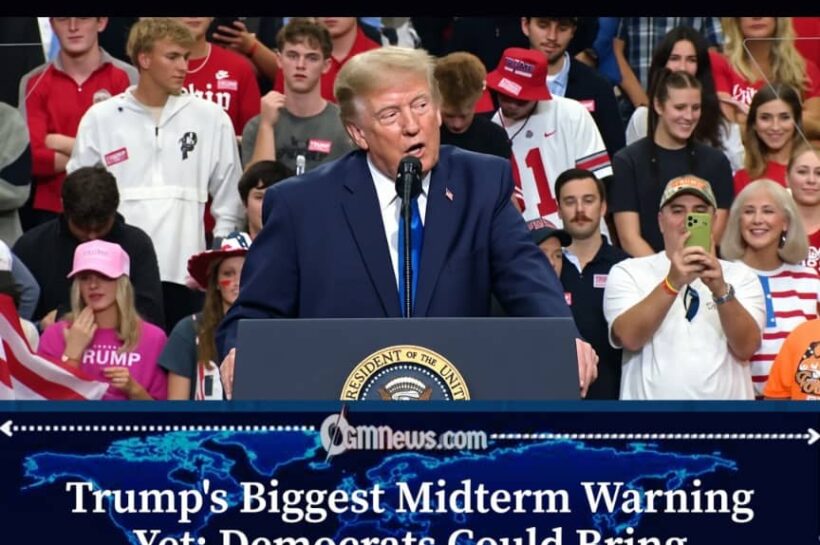


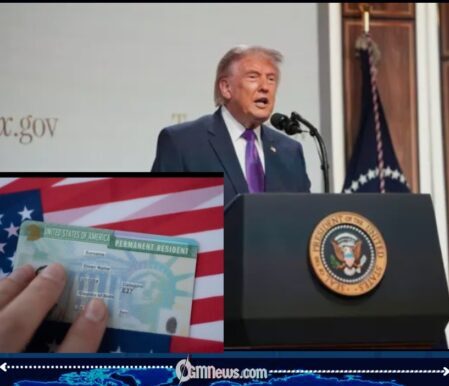
The Green Card process in the United States has been thrown into turmoil after President Donald J. Trump’s administration announced a sweeping immigration policy requiring many applicants to leave the country and complete their residency applications from abroad. The sudden directive has triggered anxiety among immigrants, employers, and legal experts who say the change could disrupt families, workplaces, and long-term plans for hundreds of thousands of people already living legally in America. For many affected residents, the announcement landed less like a policy update and more like an unexpected eviction notice wrapped in government paperwork.
Green Card: New Immigration Rule Could Separate Thousands of Families
Under the new immigration directive announced by US immigration authorities, most applicants seeking permanent residency through “adjustment of status” inside the United States will now be expected to return to their home countries for consular processing. Immigration officials described the move as a return to the “original intent” of immigration law, arguing that the previous system allowed loopholes that encouraged visa overstays and complicated enforcement efforts. Authorities also stated that exceptions may still exist for “extraordinary circumstances,” though little detail has been provided about how those exemptions would be determined.
The Green Card change is expected to impact temporary visa holders, foreign workers, students, and even some family-sponsored applicants who had hoped to complete the process without leaving the country. Immigration attorneys immediately warned that the policy could produce widespread uncertainty, especially for applicants whose legal status may expire while waiting abroad. Critics also argue that forcing applicants to depart the United States before approval creates the risk that some individuals may never regain entry, despite years spent building careers and families inside the country.
US Immigration Policy Shift Sparks Widespread Concern
The Immigration Crackdown has already ignited fierce debate across political, business, and advocacy circles. Business leaders in technology and healthcare sectors expressed concerns that the new policy could drive away skilled workers at a time when many industries already face labor shortages. Some analysts warned that companies relying heavily on international talent may struggle to retain employees unwilling to risk lengthy processing delays overseas. Others noted that Green Card backlogs in some countries can already stretch across several years, raising fears of prolonged separations for families and workers alike.
Humanitarian organizations and immigrant advocates also criticized the policy for potentially affecting vulnerable applicants, including abuse survivors and individuals fleeing unstable conditions in their home countries. Online reactions ranged from outrage to satire, with social media users joking that the immigration process now resembles “a loyalty test with connecting flights.” Yet beneath the humor lies growing uncertainty over how aggressively the rule will be enforced and whether legal challenges could emerge in response to the administration’s latest Immigration Crackdown.
As confusion continues to spread, immigration lawyers, employers, and affected families are closely monitoring how federal agencies implement the Green Card directive in practice. While supporters argue the policy restores order to the immigration system, opponents believe it risks turning legal immigration into an obstacle course defined by uncertainty, bureaucracy, and political symbolism. OGM News will continue tracking developments surrounding the Green Card rule and the broader Immigration Crackdown as more details emerge in the coming weeks.


[…] […]