























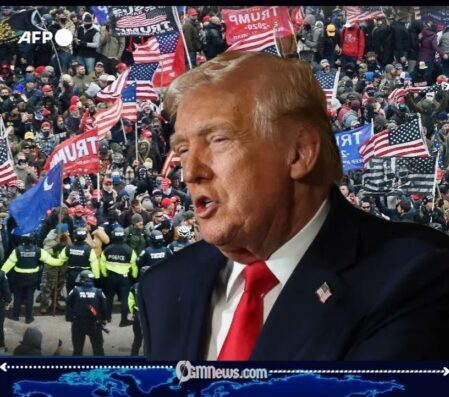
The Anti-Weaponization Fund at the center of President Donald Trump’s latest political storm has triggered an extraordinary rebellion inside the Republican Party, with senators openly challenging a White House-backed initiative critics say could funnel taxpayer money toward January 6 defendants and political allies. What was introduced as compensation for alleged government “lawfare” has instead exploded into one of the most divisive controversies of Trump’s second term, threatening Republican unity just months before critical midterm battles.
Trump Faces Republican Backlash Over $1.8 Billion January 6 Compensation Fund
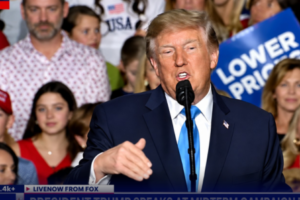
President Trump defended the $1.8 billion Anti-Weaponization Fund after furious reactions erupted across Capitol Hill over reports that more than 1,600 pardoned January 6 defendants could potentially qualify for payments. The fund emerged from a Justice Department settlement linked to Trump’s lawsuit against the IRS over leaked tax records, but opposition intensified after Acting Attorney General Todd Blanche reportedly refused to rule out compensation for individuals accused of assaulting police officers during the Capitol riot.
The controversy quickly spilled into Republican leadership circles. Senate Majority Leader John Thune reportedly delayed a major immigration enforcement vote amid internal backlash, while several Republican senators privately described the fund as “morally wrong,” “utterly stupid,” and politically reckless. Even longtime Trump loyalists were said to have confronted Blanche during a tense closed-door meeting, reflecting growing concern that the issue could damage Republican credibility with moderate voters ahead of the midterms.
Senate Revolt Deepens as Trump Defends “Weaponization” Cash Scheme
The Anti-Weaponization Fund has also triggered mounting legal and public scrutiny outside Congress. Two police officers involved in defending the Capitol during the January 6 attack have filed lawsuits seeking to block the program, arguing that taxpayer funds should not be used in ways that could indirectly reward individuals connected to the riot. Advocacy groups and former prosecutors have joined separate legal actions questioning whether the Justice Department even possesses the authority to establish such a compensation structure.
Additional reporting surrounding the controversy has intensified public debate over who could ultimately benefit from the fund. Some January 6 participants have reportedly explored claims worth millions of dollars, while critics argue the initiative risks turning political grievance into a federally backed compensation system. The uproar has further exposed deep fractures inside the Republican Party, especially after Trump’s endorsement battles and public attacks on certain GOP figures added to tensions already simmering beneath the surface.
For now, the Anti-Weaponization Fund remains both politically radioactive and legally uncertain. While President Trump continues portraying the initiative as justice for Americans allegedly targeted by partisan investigations, opponents inside and outside his party warn that the battle could redefine public perception of accountability, loyalty, and political power in Washington. OGM News will continue monitoring legal developments, Senate negotiations, and any emerging details surrounding who may ultimately receive payments from the controversial program.

[…] […]