

























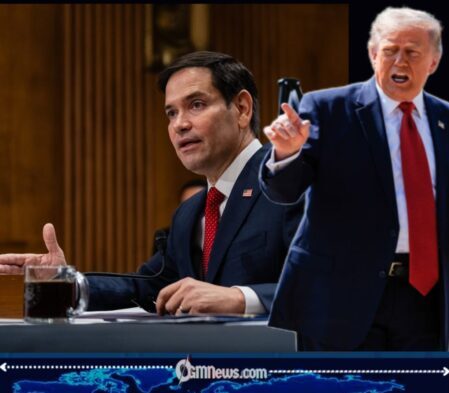
Diplomatic Reset tensions are now shaping one of Washington’s most important foreign policy relationships as Secretary of State Marco Rubio arrived in India on a high-stakes mission aimed at stabilizing ties strained by tariffs, regional rivalries, and shifting geopolitical calculations under President Donald J. Trump’s administration. The carefully watched visit underscores growing American concerns that friction with New Delhi could weaken a partnership widely viewed as critical to balancing China’s expanding global influence. As Rubio moves between symbolic diplomacy and strategic negotiations, the broader India Pivot reflects a recognition inside Washington that repairing trust may now be just as important as projecting power.
Diplomatic Reset Effort Targets Growing Strains With India
The Diplomatic Reset began publicly on Saturday when Rubio landed in Kolkata before scheduled meetings with Indian Prime Minister Narendra Modi in New Delhi. His visit comes after months of tension linked to Trump-era tariffs and renewed US diplomatic engagement with Pakistan and China, both of which remain politically sensitive issues for Indian officials.
Rubio’s stop at the headquarters of the humanitarian organization founded by Mother Teresa was viewed by analysts as both a personal and diplomatic gesture designed to emphasize shared values alongside strategic interests. However, beneath the ceremonial optics lies a more serious geopolitical challenge. India and the United States have increasingly cooperated on defense, technology, and Indo-Pacific security, yet disagreements over trade policy and regional diplomacy have complicated that relationship.
The India Pivot taking place through Rubio’s trip reflects Washington’s awareness that India occupies a uniquely important position in global strategy. As one of the world’s largest economies and most populous nations, India has become central to Western efforts aimed at balancing China’s growing military and economic reach across Asia and beyond.
India Pivot Reflects Broader Global Power Competition
The India Pivot also highlights how modern diplomacy increasingly revolves around managing overlapping rivalries rather than maintaining rigid alliances. While the United States views India as a key strategic partner, New Delhi has traditionally pursued a more independent foreign policy approach, balancing relationships with Western powers, Russia, and regional neighbors simultaneously.
Recent American engagement with Pakistan and renewed diplomatic outreach toward China created unease among some Indian policymakers who fear being treated as one component of a broader regional balancing strategy rather than as a long-term strategic equal. Analysts say these concerns intensified after Trump’s tariff policies affected trade discussions and complicated economic cooperation between Washington and New Delhi.
At the same time, both governments continue recognizing the practical benefits of maintaining strong ties. Defense cooperation between the US and India has expanded significantly in recent years, including joint military exercises, technology partnerships, and agreements focused on maritime security in the Indo-Pacific. Economically, India’s expanding market and manufacturing ambitions also make it increasingly important for American businesses seeking alternatives to dependence on Chinese supply chains.
Political observers note that Rubio’s mission reflects a wider reality shaping global diplomacy in 2026: alliances are becoming more transactional, flexible, and influenced by immediate strategic calculations. Nations are simultaneously competing, cooperating, and hedging against uncertainty in ways that often blur traditional diplomatic categories. In that environment, even close partners require constant political maintenance.
As the Diplomatic Reset continues through Rubio’s meetings in India, the India Pivot now represents more than a single diplomatic visit. It reflects Washington’s recognition that preserving influence in Asia may depend not only on military power or economic leverage, but also on the ability to reassure allies unsettled by shifting geopolitical priorities. Whether this visit restores deeper confidence between the two countries may shape regional strategy for years to come.
[…] […]