


















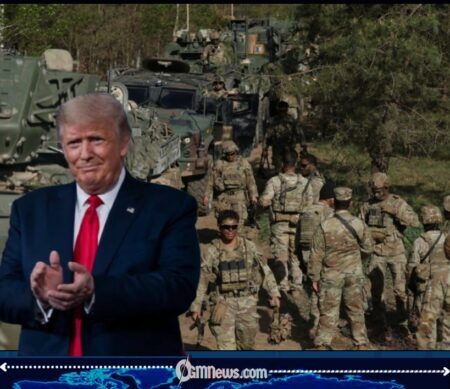
The Poland Troops controversy erupted Thursday after President Donald Trump announced that the United States would send an additional 5,000 troops to Poland, stunning allies and deepening confusion surrounding America’s military strategy in Europe. The declaration arrived barely a week after the Pentagon halted a scheduled troop rotation into Poland as part of a broader effort to reduce the U.S. military footprint across the continent. The sudden reversal has triggered intense debate inside NATO, frustration among lawmakers, and renewed questions about whether Washington’s foreign policy decisions are being driven by long-term strategy or political impulse.
Poland Troops Decision Raises Concerns Among European Allies
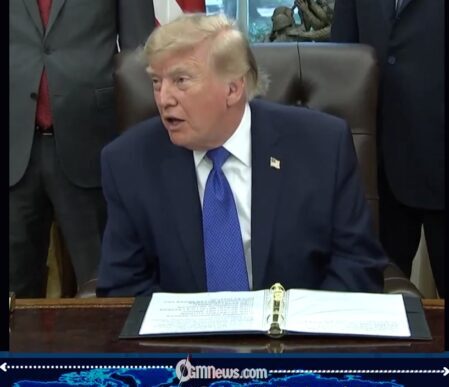
President Trump framed the Poland Troops deployment as a show of support for Polish President Karol Nawrocki, whom he previously endorsed during Poland’s election cycle. In a public statement, Trump praised his relationship with the Polish leader and described the additional troop deployment as evidence of strong ties between both nations. The move immediately drew attention because Vice President JD Vance had only days earlier described the Poland deployment as merely “delayed,” while Pentagon officials had publicly defended scaling back American troop levels in Europe.
The confusion intensified after Defense Secretary Pete Hegseth recently criticized European allies for allegedly failing to support America strongly enough during tensions involving Iran. Around the same time, the administration announced plans to remove roughly 5,000 U.S. troops from Germany following public criticism from German Chancellor Friedrich Merz concerning U.S. actions in the Middle East. Critics inside Congress argued that reducing troop commitments in Germany while suddenly increasing forces in Poland sends mixed signals to allies already nervous about the continuing war in Ukraine and rising tensions with Russia.
Europe Left Guessing as Trump Reverses U.S. Military Plans Again
The Poland Troops announcement also revealed growing anxiety inside NATO over America’s broader military priorities. Reports indicate that U.S. troop levels in Europe had already been under review for months as the Trump administration pushed European nations to assume greater responsibility for regional defense. Analysts say Poland has aggressively lobbied for a larger permanent American presence for years, especially after Russia’s continued military pressure across Eastern Europe. Currently, approximately 10,000 American troops are already stationed in Poland, making it one of Washington’s most important military positions on NATO’s eastern flank.
Political reaction to the Poland Troops shift has been unusually bipartisan. Some Republican lawmakers reportedly questioned why troop deployments were paused only to be publicly restored days later, while Democratic critics warned that abrupt policy changes risk damaging America’s credibility among allies. Online discussions quickly turned sarcastic, with social media users joking that U.S. military planning now changes faster than weather forecasts. Behind the humor, however, sits a serious concern: European leaders fear that inconsistent announcements from Washington could create uncertainty during one of NATO’s most fragile security periods in decades.
As NATO officials attempt to interpret the latest Poland Troops decision, attention is now turning toward whether the deployment represents a permanent strategic commitment or another temporary political adjustment. For now, America’s allies appear caught between relief that troops are arriving and concern that future policy could shift again with little warning. OGM News will continue monitoring whether this latest military pivot stabilizes Washington’s European alliances or deepens the growing perception that America’s foreign policy is increasingly unpredictable.
[…] […]