













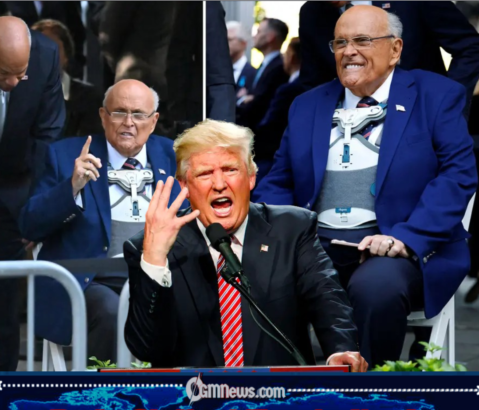
Fallout erupted across the political landscape after Rudy Giuliani was reported hospitalized in critical but stable condition, according to statements from his spokesperson on Sunday. The former New York mayor, once celebrated as “America’s Mayor” after the September 11 attacks, is now again at the center of national attention—this time for his health and the fierce political reaction surrounding it. Instead of a moment of broad unity, the development quickly became another flashpoint in America’s endless blame war.
Giuliani’s Crisis Reopens Old Wounds
Giuliani, 81, served as one of President Donald J. Trump’s most aggressive legal defenders during the aftermath of the 2020 election. He helped lead a wave of lawsuits challenging election results, but many of those cases were dismissed or withdrawn. In the years that followed, Giuliani faced multiple legal setbacks, including disciplinary action affecting his law license and costly defamation litigation tied to false election claims.
Fallout from those years has never fully disappeared. Critics argue Giuliani’s reputation suffered heavily after aligning himself so completely with Trump’s post-election strategy. Supporters counter that he fought for what he believed was election integrity. Either way, the contrast remains striking: a man once praised nationally for crisis leadership later became one of the most polarizing legal figures in modern politics.
Broader Lessons Beyond the Headlines
Recent reports offered no confirmed cause for Giuliani’s hospitalization, and his spokesperson described him as “critical but stable.” That lack of detail has left room for speculation, but no credible source has publicly tied the condition to any political theory or outside sabotage. At present, the known facts remain limited to his medical status and ongoing treatment.
Fallout also highlights a broader pattern in modern politics: personal emergencies are increasingly swallowed by partisan warfare before facts fully emerge. Rather than reflection or restraint, public figures often race to frame events through political narratives. In Giuliani’s case, the story is not only about one man’s health, but also about loyalty, consequence, and the harsh afterlife of political combat.
As the nation waits for further updates, many will remember Giuliani through two very different chapters of public life—heroic leadership in one era, bitter controversy in another. Whatever comes next, this moment is another reminder that political Fallout often lingers long after the cameras move on.
F. M. P. at OGM News

Logging in is a breeze and the site stability is amazing even during peak hours....