
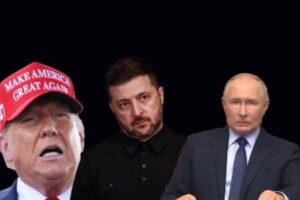





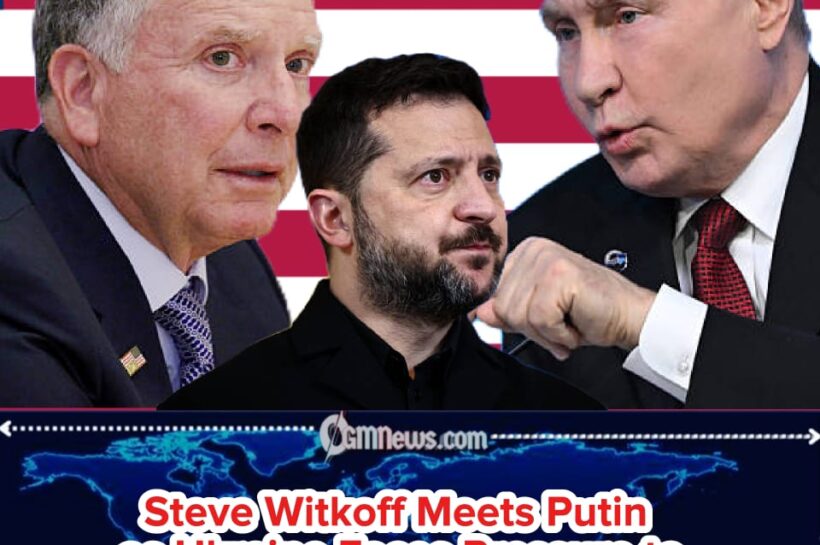




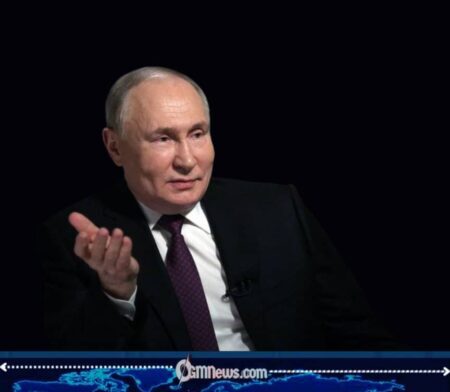
Russian President Vladimir Putin has criticized European leadership over what he described as a contradiction in Western policy toward Russia. Speaking during a recent policy discussion, Putin said Moscow continues supplying nuclear fuel to the United States while European leaders remain largely silent on the issue.
According to Putin, the lack of criticism reflects the financial interests tied to the global nuclear energy market. He argued that while Western governments publicly condemn Russia in many sectors, some forms of cooperation continue because they remain economically beneficial.
The remarks have added a new layer to the ongoing debate about whether Western sanctions against Russia have been applied consistently across all strategic industries.
Nuclear Fuel Remains a Sensitive Exception
Unlike oil and natural gas, nuclear fuel has remained one of the more complex areas of international energy trade. Russia continues to hold a major position in uranium enrichment and nuclear fuel processing, making it difficult for many countries to quickly replace Russian supply.
Several Western nations still rely on Russian nuclear products for civilian power generation, even after imposing sanctions in other parts of the energy sector. Experts say changing suppliers can take years because reactors often require specially processed fuel.
That reality has created an uncomfortable situation for governments trying to reduce economic ties with Moscow while avoiding disruptions to domestic electricity production.
Why Putin’s Statement Matters
Putin’s remarks appear designed to highlight what the Kremlin sees as inconsistency in Western policy. By focusing on nuclear fuel exports, he is attempting to argue that economic interests still influence how strongly Russia is isolated.
Analysts say the statement also serves a domestic purpose by reinforcing the narrative that Western governments continue to depend on Russia in key industries despite their public criticism of Moscow.
The Kremlin has repeatedly used such arguments to challenge the political credibility of European leaders and portray sanctions as selective rather than comprehensive.
Europe’s Delicate Energy Position
European governments have spent the last several years reducing dependence on Russian natural gas and oil. However, the nuclear sector presents a different challenge because some countries still rely on Russian technology and fuel services.
Several European states operate reactors that were originally designed around Russian supply systems, making a rapid transition difficult. Officials have acknowledged privately that reducing that dependence requires long-term investment and technical restructuring.
Putin’s comments place additional attention on that issue at a time when European leaders are trying to project a unified stance on security and economic policy.
The American Dimension
The United States has also faced pressure to reduce dependence on Russian nuclear materials. While Washington has moved to limit some imports, a complete break has proven difficult because American utilities still need stable fuel supplies for commercial reactors.
Energy specialists note that replacing Russian enriched uranium cannot happen immediately because domestic production capacity in the United States remains limited. That has led to a gradual rather than immediate transition.
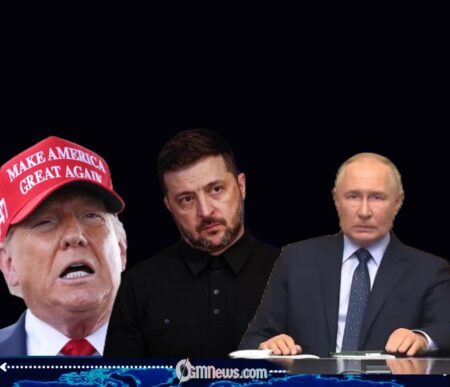
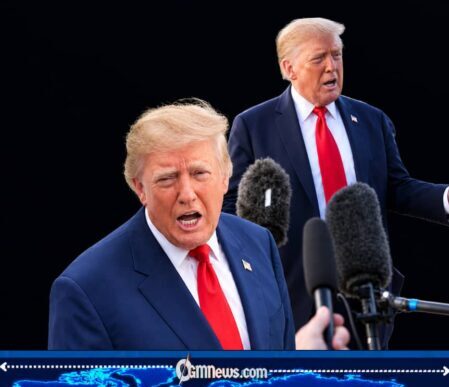
President Donald Trump, currently serving a second term, has continued to support broader economic pressure on Russia while balancing concerns over energy security.
A Wider Message to the West
Beyond the immediate issue of nuclear fuel, Putin’s remarks appear intended to challenge the broader political narrative of Western unity. By emphasizing continued trade, the Kremlin is suggesting that strategic interests can outweigh public rhetoric.
Some analysts believe the statement is also aimed at countries outside Europe, particularly in Asia and the Global South, where governments are closely watching how consistently sanctions policies are enforced.
Whether the criticism changes policy remains uncertain, but it has renewed discussion about the limits of economic pressure in a world where energy security remains deeply interconnected.

The weekly tournaments here keep me coming back because the prize pools are surprisingly generous....