

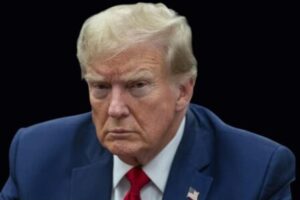





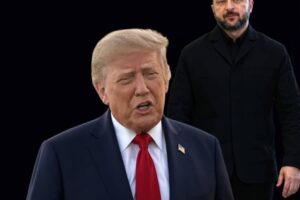



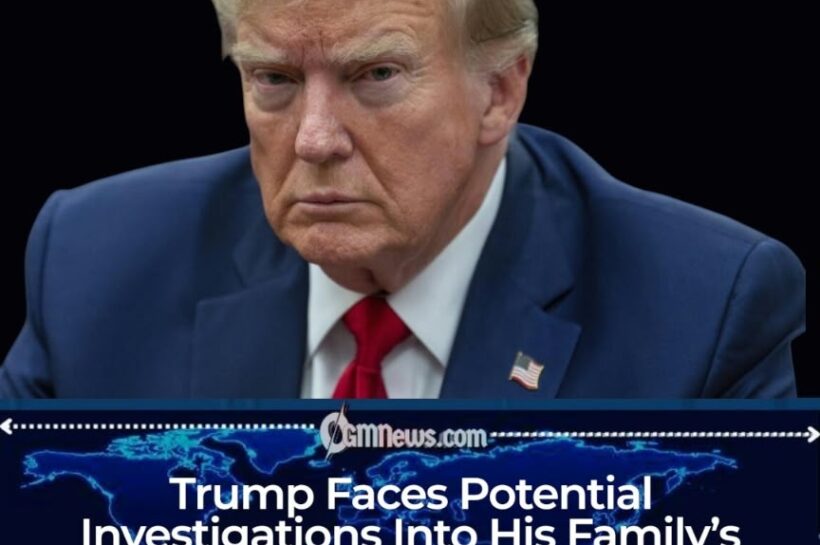








The Anti-Weaponization Fund has emerged as the most contentious issue surrounding a major Senate effort to approve billions of dollars for immigration enforcement, creating an unexpected challenge for President Donald Trump and exposing divisions within the Republican Party. What was intended to be a high-profile legislative victory tied to border security has instead become a debate over accountability, taxpayer spending and political influence, leaving lawmakers facing difficult choices as a crucial vote approaches.
Anti-Weaponization Fund Sparks New Senate Battle Ahead of ICE Funding Vote
The controversy centers on a proposed $1.8 billion Anti-Weaponization Fund that critics argue could allow taxpayer money to be distributed to individuals claiming they were unfairly targeted by government actions. Democrats have characterized the proposal as a political payout mechanism and have vowed to force votes aimed at eliminating it entirely. Their strategy is designed not only to challenge the fund itself but also to place Republicans on record regarding their support for the president’s initiative.
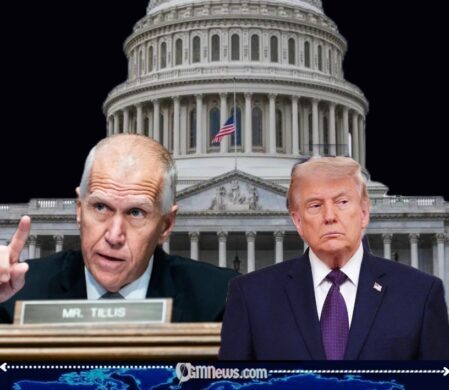
The Anti-Weaponization Fund has already encountered significant resistance within Republican ranks. Senators including Thom Tillis and Bill Cassidy have publicly expressed concerns and have explored amendments that would permanently block or restrict the proposal. The White House and Justice Department have indicated that the fund is not moving forward in its original form, yet many lawmakers continue to seek legally binding assurances that it cannot be revived in the future.
ICE Funding Package Faces Scrutiny Over Controversial Trump Proposal
The dispute arrives at a critical moment for a broader $70 billion package intended to provide long-term funding for U.S. Immigration and Customs Enforcement and Border Patrol operations. Republican leaders view the legislation as a cornerstone of President Trump’s immigration agenda, while Democrats see the amendment process as an opportunity to spotlight controversial administration policies ahead of upcoming elections.
Additional tensions have emerged following other administration initiatives that have generated bipartisan scrutiny. Recent debates over proposed White House security funding, questions surrounding tax audit protections and reactions to personnel appointments have contributed to an atmosphere in which some Republican lawmakers appear more willing than usual to challenge the administration publicly. Analysts note that the Anti-Weaponization Fund controversy has become symbolic of a larger debate over how far Congress should go in overseeing executive branch priorities, even when lawmakers belong to the president’s own party.
The fate of the Anti-Weaponization Fund may ultimately determine whether the Senate’s immigration funding effort is remembered as a major policy achievement or as another chapter in Washington’s ongoing struggle between party loyalty and institutional oversight. OGM News will continue monitoring developments as lawmakers move toward final votes and as the broader political consequences begin to take shape.

78betvip, hopped in for a quick look. Eh, the VIP perks are alright, but not...