
















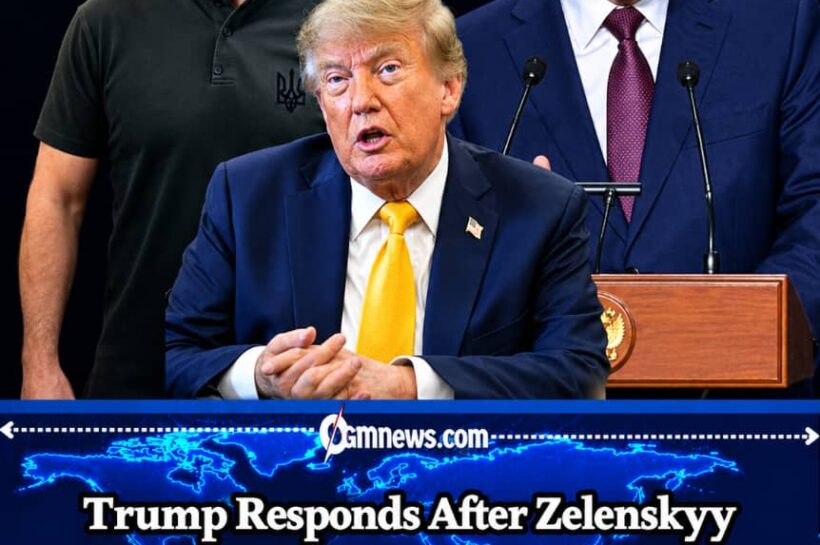







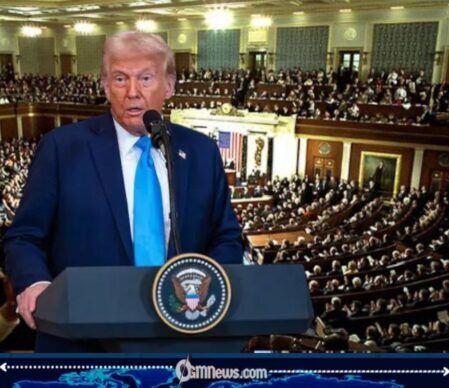
Iran Resolution has become the center of a dramatic political confrontation after the House passed a measure seeking to halt military action against Iran, marking the first time lawmakers have approved such a rebuke of President Donald J. Trump’s war policy. The vote has reignited a constitutional battle over who truly controls the nation’s military decisions and raised fresh questions about America’s role in an increasingly volatile Middle East. While supporters celebrate the move as a defense of congressional authority, critics warn it could complicate U.S. strategic objectives abroad. Either way, Washington has once again discovered that foreign policy disagreements can be every bit as explosive as the conflicts they seek to address.
Lawmakers Draw Line in the Sand Over Iran Military Operations
The Iran Resolution emerged amid growing concern among lawmakers regarding the possibility of a broader military confrontation with Iran. According to the material provided to OGM News, House members approved the measure in what many observers view as a direct challenge to the administration’s approach toward military engagement. The resolution seeks to limit unauthorized military actions and reinforce Congress’s constitutional role in decisions relating to war.
Supporters argue that the Iran Resolution is less about politics and more about preserving checks and balances. They maintain that the Constitution grants Congress significant authority over war powers and that military escalation should not occur without legislative oversight. Opponents, however, contend that restricting executive flexibility during international crises could weaken America’s ability to respond quickly to emerging threats. As usual in Washington, both sides insist they are defending democracy while accusing the other side of endangering it.
House Sends Defiant Message as Trump War Powers Come Under Fire
The debate surrounding the Iran Resolution reflects a much broader national conversation about presidential war powers that has persisted across multiple administrations. Legal scholars have long questioned the balance between congressional authority and executive military action, particularly following decades of overseas operations conducted without formal declarations of war. Recent tensions involving Iran have brought those questions back to the forefront of public debate.
Additional reporting and policy analysis suggest that concerns over escalation have intensified due to fears of regional instability, disruptions to global energy markets, and the potential for unintended military confrontations. While supporters of the administration argue that maintaining pressure on Iran is necessary for deterrence and national security, critics warn that prolonged military involvement could carry significant political, economic, and human costs. The Iran Resolution therefore represents not only a legislative action but also a symbolic statement about how lawmakers believe military decisions should be made.
The ultimate impact of the Iran Resolution remains uncertain. Its legal and political journey is likely to face further challenges, and the White House may continue defending its authority in matters of national security. What is already clear, however, is that the vote has transformed a foreign policy dispute into a major constitutional debate. As tensions with Iran continue to shape international headlines, the struggle between Congress and the executive branch over war powers appears destined to remain a defining political battle for months to come.


78betvip, hopped in for a quick look. Eh, the VIP perks are alright, but not...