























Elon Musk’s ambitious decision to transform Twitter into X could be heading towards an uncomfortable chapter, as a company seeking to reclaim the platform’s former identity continues its battle over the social media giant’s abandoned branding. What began as Musk’s high-profile rebranding exercise could potentially become an opportunity for another company to revive the familiar Twitter identity and challenge X in 2027. Apparently, changing a name is considerably easier than making everyone forget the old one.
The dispute centres on Operation Bluebird, a Virginia-based company seeking to reclaim trademark rights associated with Twitter and establish a competing social networking platform. Its argument is that Musk’s decision to abandon the Twitter identity created an opportunity for another business to bring the brand back. However, the legal battle has already produced complications, and the prospect of a full Twitter revival remains far from settled.
Elon Musk’s Rebranding Decision Returns to Haunt X
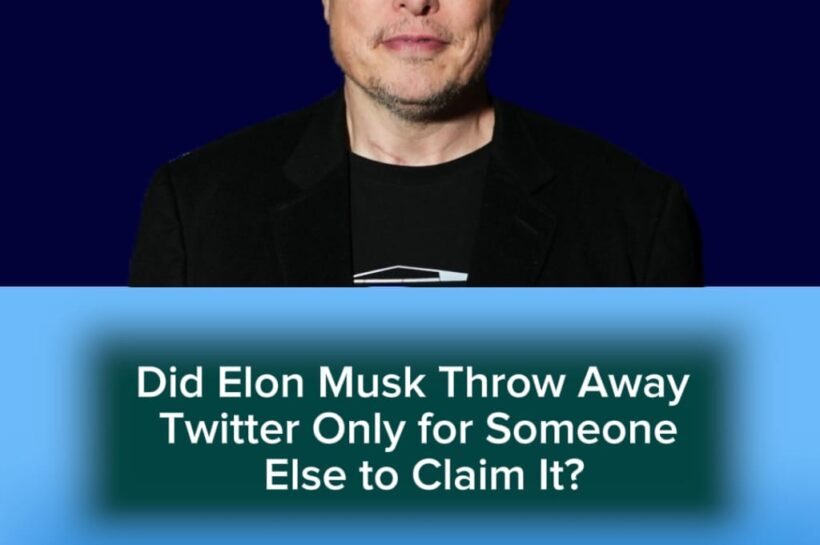
Elon Musk acquired Twitter in 2022 for approximately $44 billion before beginning a dramatic transformation of the platform. In July 2023, he announced plans to say goodbye to the Twitter brand and its famous bird imagery, eventually replacing the familiar identity with X. The transformation was presented as a new beginning, although millions of users continued referring to the platform as Twitter and its posts as tweets.
Now, Elon Musk’s decision is at the centre of a trademark dispute that could have significant consequences for X. Operation Bluebird argues that the company abandoned certain trademark rights when it discontinued the old branding. Its campaign seeks to reclaim those rights and establish a rival platform capable of competing for the audience that once made Twitter one of the world’s most recognisable social networks. For Musk, the situation presents an awkward reminder that a corporate rebrand does not necessarily erase the commercial value of the identity being discarded.
The company initially pursued the opportunity to reclaim the Twitter name through legal proceedings, arguing that X had effectively surrendered its rights. However, X has strongly disputed that position, insisting that the Twitter trademark remains its property and that changing the platform’s name does not amount to abandoning its legal ownership. The disagreement has turned what might have been a straightforward branding exercise into a serious courtroom contest.
Old Twitter Could Return, but Elon Musk Is Not Giving Up Easily
The proposed comeback has generated considerable attention because Operation Bluebird wants more than simply to revive an old logo. Its ambition is to establish a competing social media service that could recapture some of Twitter’s former appeal. The company previously explored a platform called Twitter.now, while its wider campaign has centred on restoring the familiar identity. A potential 2027 comeback would therefore put Musk’s X in an unusual position: competing against a rival attempting to resurrect the very brand he decided to replace.
However, the legal developments have not entirely favoured Musk’s challengers or delivered them the complete Twitter identity they initially wanted. In September 2026, a federal judge preliminarily blocked Operation Bluebird from using the Twitter name and certain related marks, finding that X was likely to establish its continuing rights to the name. The judge nevertheless allowed the company to use the word “Tweet” and the Twitter bird logo at this preliminary stage, finding that X was likely to have abandoned those particular marks. The wider dispute remains unresolved.
For Musk, this is hardly the kind of social media competition that can be dismissed with a new logo or another dramatic announcement. X maintains that it still owns the Twitter trademark, while its challengers are pursuing a legal route to establish otherwise. Even if Operation Bluebird eventually secures additional branding rights, recreating the original platform’s popularity, infrastructure and influence will be another enormous challenge. The internet may remember Twitter fondly, but nostalgia alone does not guarantee millions of returning users.
The coming months could therefore prove important for the future of the dispute, particularly as the parties continue contesting ownership of one of the most recognisable names in social media history.


https://addlinks.pro/OBTIZ