






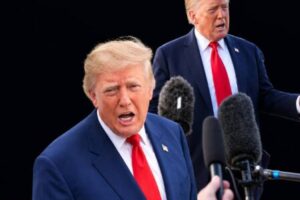

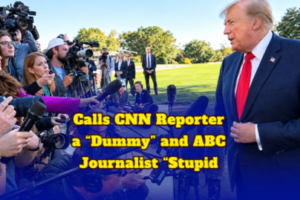





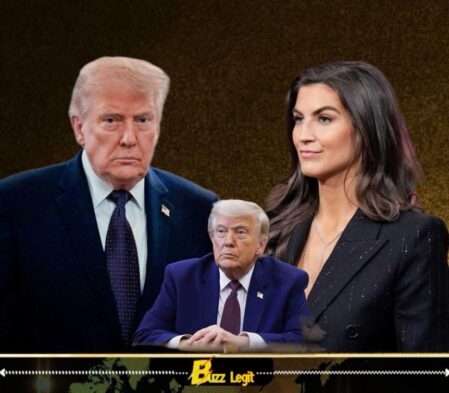
The Hatred Press Clash erupted unexpectedly during a White House briefing, where Donald J. Trump, the current president, shifted focus from policy discussion to the demeanor of a CNN journalist, triggering renewed debate over the boundaries of political communication and press engagement. The moment, initially rooted in a routine question, quickly escalated into one of the most talked-about exchanges of the day, blending policy, personality, and perception into a single viral confrontation.
Observers say the exchange has since become emblematic of the increasingly tense relationship between the presidency and the press corps, with the phrase “Hatred in her eyes” becoming a focal point of public discussion and media analysis.
OVAL OFFICE EXCHANGE AND THE ORIGINS OF THE PRESS CLASH
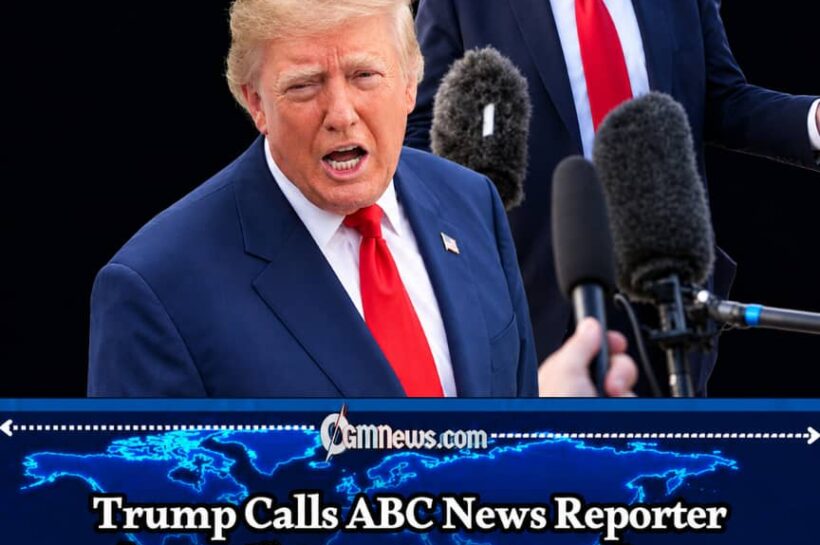
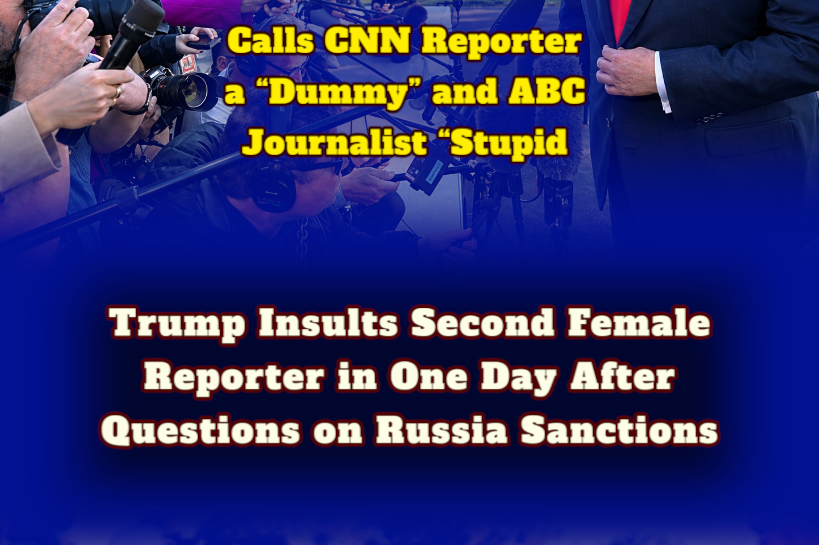
During the briefing, Donald J. Trump, the current president, was asked a policy-related question by CNN journalist Kaitlan Collins. Instead of remaining strictly on policy, the interaction shifted when the president commented on the reporter’s facial expression, suggesting she “never smiles” and describing what he interpreted as emotional hostility.
The Hatred remark became the defining moment of the encounter, redirecting attention from the original question to the tone of the exchange itself. The Press Clash, as it has now been widely described, intensified as the discussion moved away from policy substance into personal characterization.
BEYOND THE BRIEFING: MEDIA RELATIONS AND THE BROADER PRESS CLASH CONTEXT
In broader context, this Press Clash is not an isolated occurrence but part of a recurring pattern of strained interactions between Donald J. Trump, the current president, and White House correspondents. Analysts note that such exchanges often blur the line between political critique and personal observation, especially during high-pressure briefings.
Media scholars and political commentators, referencing similar past interactions reported across multiple reputable outlets, suggest that these moments highlight a deeper tension in modern political communication—where questions intended for governance answers sometimes evolve into exchanges about credibility, tone, and perceived bias. The Hatred framing has therefore been interpreted by critics as symbolic rather than literal, while supporters argue it reflects candid reaction in unscripted political environments.
As the Press Clash continues to circulate across public discourse, attention now turns to whether future briefings will see more restrained engagement or further escalation in rhetorical intensity. What remains clear is that interactions between the presidency and the press remain as influential as the policies they aim to scrutinize.
The Press Clash is expected to remain a recurring talking point in political commentary, with observers watching closely for how both sides recalibrate tone, language, and engagement in upcoming briefings.
The vibes here are amazing and the winning streaks are real. It feels just like...