






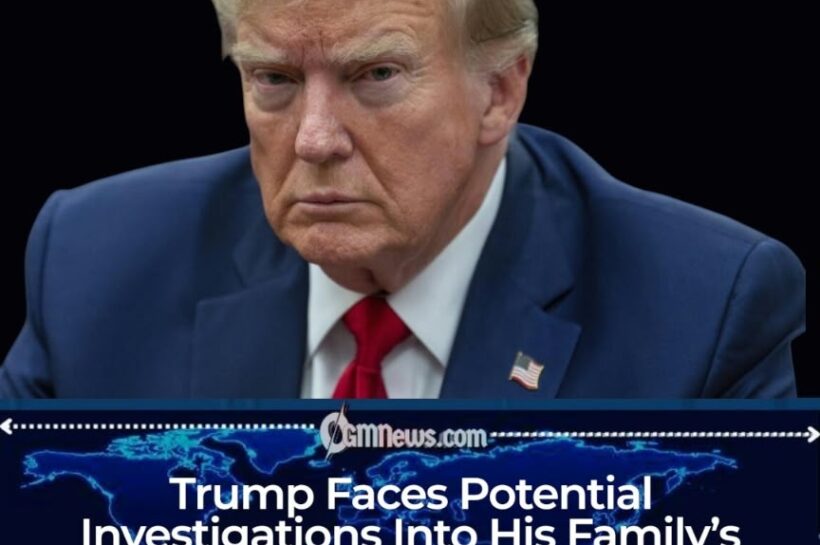

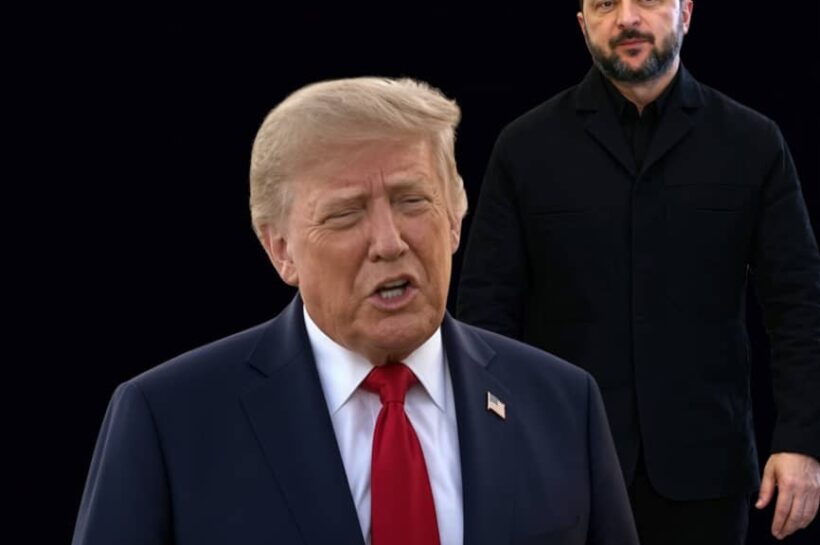





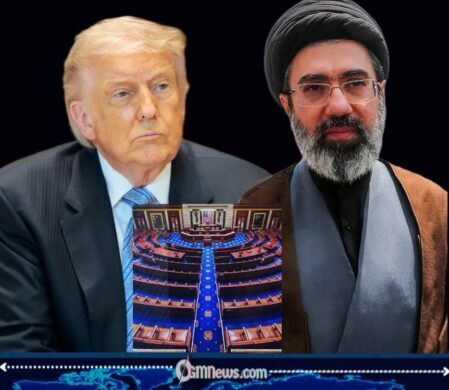
The war powers debate over Iran escalated sharply in Washington as the United States House of Representatives approved a measure aimed at restricting military decision-making authority held by President Donald J. Trump. The move immediately triggered political shockwaves, setting up what many describe as a constitutional standoff with suspense still building over its final outcome.
The legislation, passed by a narrow margin, reflects growing unease among lawmakers about unchecked executive military authority. However, the political reality remains complicated, as the Senate appears divided and the White House has signaled strong resistance, including the likelihood of a veto if the measure reaches the president’s desk.
CAPITOL CONTROL VS EXECUTIVE COMMAND
The war powers resolution targeting Iran seeks to require explicit congressional approval for continued or expanded military operations. Supporters argue it restores constitutional balance, ensuring that decisions involving war do not rest solely on presidential discretion.
Opponents, however, warn that such restrictions could slow down critical national security responses. Within Congress, the vote exposed rare cross-party fractures, suggesting that even shared concerns about war powers do not translate into unified strategy.
THE SENATE BATTLE AND THE VETO SHADOW
The war powers measure concerning Iran now moves into a Senate environment described by analysts as uncertain and politically fragmented. While some senators support tighter oversight, others caution against limiting the president’s flexibility in foreign affairs.
At the same time, attention has shifted to the executive branch, where President Donald J. Trump is expected to reject any final bill that significantly curtails his military authority. This anticipated veto raises the possibility that the entire legislative effort may stall unless Congress can secure an unusually strong bipartisan override.
BEYOND THE VOTE: CONSTITUTIONAL TENSIONS AND GLOBAL SIGNALS
The war powers dispute over Iran is not occurring in isolation but reflects a broader historical struggle between Congress and the presidency over control of military force. Past administrations have faced similar disputes, but outcomes have consistently tilted toward executive dominance due to the difficulty of overriding vetoes and sustaining political unity.
International observers are also watching closely, as shifts in U.S. war authorization policy often send signals to global allies and adversaries alike. The current tension highlights how domestic political disagreements can influence perceptions of American strategic direction abroad.
Experts note that unless a rare consensus emerges in the Senate, the legislative effort may remain symbolic, reinforcing rather than resolving long-standing constitutional ambiguity.
The unfolding war powers debate over Iran is expected to continue dominating political discussions in Washington in the coming weeks, with all eyes now on whether Congress can convert its legislative push into enforceable law or whether executive authority once again prevails in shaping military policy.


78betvip, hopped in for a quick look. Eh, the VIP perks are alright, but not...