













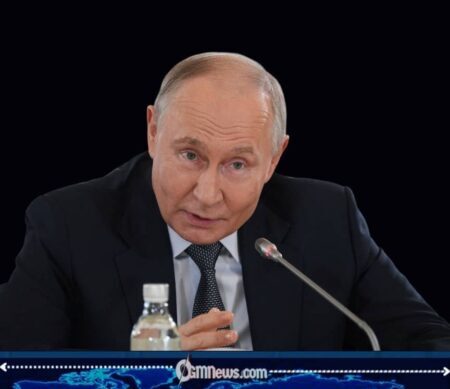
Cohesion has emerged as a central theme in the Iran crisis after Russian President Vladimir Putin argued that the Iranian people have demonstrated both unity and a willingness to fight, warning that this reality must be taken into account by all parties seeking a solution. His remarks arrive at a time when negotiations and regional tensions continue to evolve, raising questions about whether international actors have fully assessed the political consequences of the conflict inside Iran. While military developments often dominate headlines, Putin’s intervention suggests that public sentiment may be becoming an equally significant factor in determining how the crisis unfolds.
Iran’s Cohesion Changes the Rules of the Crisis, Says Putin
Putin’s comments were made in the context of discussions about resolving the Iran crisis through diplomatic means. According to the Russian leader, the Iranian public has largely rallied around its leadership during the conflict, creating a level of national cohesion that cannot simply be overlooked when designing peace initiatives. The statement reflects Moscow’s longstanding position that political solutions should accompany security measures and that external pressure alone may not produce the desired outcomes.
The emphasis on cohesion is notable because it shifts attention from military capabilities to societal resilience. In many conflicts, policymakers focus heavily on strategic assets, economic sanctions, or battlefield developments. Putin’s argument suggests that the willingness of a population to endure hardship and maintain collective resolve can significantly influence negotiations. In satirical terms, diplomats may have arrived expecting a complicated geopolitical chessboard only to discover that public opinion had quietly moved several pieces on its own.
Moscow Urges Political Solutions Amid Ongoing Iran Tensions
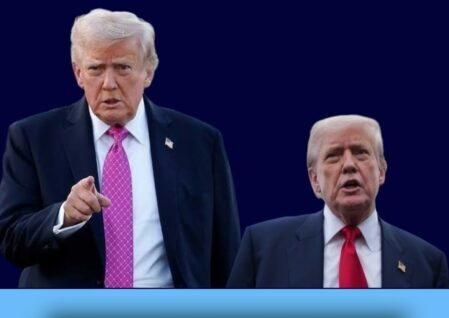
Recent developments surrounding the Iran crisis indicate that diplomatic efforts remain active but fragile. Reports over the past week suggest that discussions involving Iran and the administration of President Donald J. Trump continues amid disagreements over sanctions, regional security concerns, and broader questions related to the conflict’s aftermath. Despite periods of escalation and mutual accusations, multiple parties have continued to emphasize the importance of negotiated solutions.
Russia has consistently positioned itself as an advocate for diplomacy and has repeatedly offered support for mediation efforts. Putin has previously spoken with Iranian leaders about reducing tensions and pursuing political settlements, while Moscow has maintained that long-term stability cannot be achieved solely through military means. Recent statements from Russian officials have similarly stressed de-escalation and dialogue as essential components of any sustainable resolution.
The broader context also helps explain why cohesion has become a recurring subject. The conflict has affected regional security, energy markets, and international diplomatic relations. With negotiations continuing and tensions periodically resurfacing, analysts increasingly acknowledge that domestic political realities inside Iran may shape future outcomes as much as international pressure campaigns.
As the crisis develops, cohesion and diplomacy are likely to remain closely linked. Whether one agrees with Putin’s assessment or not, his message is clear: any roadmap toward peace that ignores the political mood inside Iran may discover that negotiations are far easier to design on paper than to implement in reality. OGM News will continue monitoring how this balance between national unity and international diplomacy shapes the next chapter of the crisis.
Signing up took less than two minutes and I was already exploring the available games....