
















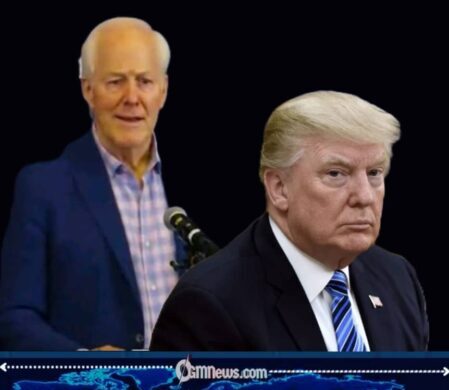
Highway Politics has taken an unexpected turn after Senator John Cornyn suggested that his proposal to rename a highway after President Donald J. Trump may no longer rank among his top priorities following his primary loss to Ken Paxton. The comments immediately attracted attention because they came from the same senator who had previously championed the tribute as a meaningful recognition of Trump’s impact on American politics.
Highway Politics became a subject of fresh debate because Cornyn’s apparent shift arrived almost immediately after a major political setback. While lawmakers routinely revise legislative priorities, critics argue that the timing raises questions about whether symbolic proposals are sometimes tied as much to political realities as to public policy objectives. Supporters counter that an outgoing senator facing limited time in office naturally must focus on measures he believes have the best chance of success.
When Symbolic Legislation Meets Political Reality
The original controversy revolves around Cornyn’s decision to publicly downplay a proposal he once actively promoted. His recent remark that the highway renaming effort “may not make it into my priorities” during his remaining months in office has transformed what was once a straightforward tribute proposal into a broader political conversation.
Within the larger Highway Politics discussion, observers note that infrastructure naming bills often carry symbolic value far beyond the physical roads, bridges, or buildings involved. Such proposals frequently serve as statements about legacy, influence, and political identity. As a result, changes in enthusiasm for these measures can sometimes reveal shifting political calculations.
Endorsement Regret and Political Symbolism
Cornyn’s loss to Paxton has already triggered analysis regarding the changing direction of Republican politics in Texas. The highway proposal now finds itself caught in that larger story.
The broader Endorsement Regret conversation reflects how quickly political priorities can evolve following election outcomes. While there is no indication Cornyn has reversed his positive view of Trump, his latest comments suggest that dedicating precious legislative time to symbolic tributes may no longer rank as urgently as it once did.
Political historians often note that naming public infrastructure after leaders can become surprisingly contentious because such decisions represent more than recognition. They become reflections of how political figures wish to be remembered and how their supporters seek to shape public memory.
As Cornyn approaches the final months of his Senate tenure, OGM News understands that the fate of the highway proposal may ultimately be less significant than what it symbolizes. In a political climate where loyalty, legacy, and electoral survival often intersect, Highway Politics has become another reminder that even the smoothest roads can take unexpected turns.

78betvip, hopped in for a quick look. Eh, the VIP perks are alright, but not...